
Henry MacRae
Director
Born: August 29, 1876 in Toronto, Ontario, Canada Died: October 2, 1944 Active: 1912-1933 Birth Name: Henry Alexander MacRae
Films
2 films
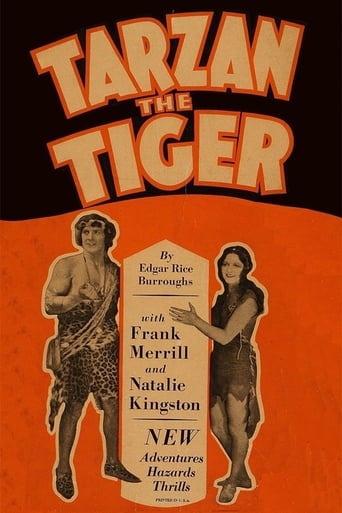
About Henry MacRae
Canadian-American film director, producer, and screenwriter who in the development of early Hollywood cinema during the silent era. Born in Toronto in 1876, MacRae began his career in the film industry in the early 1910s, quickly establishing himself as a prolific director with a particular talent for action sequences and serial productions. He joined Universal Pictures in 1914 and became one of the studio's most valuable directors, helming over 130 films throughout his career. MacRae was especially renowned for his work on serials, including the popular 'The Adventures of Ruth' series and numerous westerns that showcased his ability to create thrilling narratives within budget constraints. His 1924 film 'The Price She Paid' demonstrated his skill in melodrama and his understanding of contemporary social themes. MacRae continued directing through the transition to sound films, though his output decreased in the early 1930s. He retired from filmmaking in the mid-1930s, leaving behind a substantial legacy as one of Hollywood's most productive and versatile early directors.
The Craft
Behind the Camera
Henry MacRae was known for his efficient, workmanlike directing style that emphasized action, pacing, and clear storytelling. He had a particular talent for staging dynamic action sequences and chase scenes, which made him ideal for serials and westerns. MacRae's approach was practical and budget-conscious, yet he maintained high production values and technical polish. His direction of melodramas like 'The Price She Paid' showed his ability to elicit strong emotional performances while maintaining narrative momentum.
Milestones
- Directed over 130 films during his career
- Pioneered the action serial format at Universal Pictures
- Directed 'The Price She Paid' (1924)
- Created numerous successful western films in the 1920s
- Transitioned successfully from silent to sound films
- Served as both director and producer on many projects
Best Known For
Must-See Films
Accolades
Special Recognition
- Star on Hollywood Walk of Fame for contributions to motion pictures
Working Relationships
Worked Often With
Studios
Why They Matter
Impact on Culture
Henry MacRae played a crucial role in establishing the language of action cinema and serial storytelling that would influence generations of filmmakers. His work at Universal helped define the studio's brand of popular entertainment, particularly in western and action genres. MacRae's efficient production methods and ability to create compelling narratives on limited budgets became a model for B-movie production throughout Hollywood. His serials pioneered techniques in cliffhanger storytelling that would later influence everything from adventure films to television series. The commercial success of his films demonstrated the viability of genre cinema and helped establish many of the tropes and conventions that would define American popular film.
Lasting Legacy
Henry MacRae's legacy lies primarily in his contributions to the development of action cinema and film serials during Hollywood's formative years. While not as well-remembered as some of his contemporaries, his prolific output and consistent quality helped establish Universal Pictures as a major studio. The techniques he developed for staging action sequences and maintaining narrative tension across multiple episodes influenced countless filmmakers who followed. His work represents an important bridge between the primitive cinema of the early 1910s and the more sophisticated studio system of the late 1920s and early 1930s. Film historians recognize MacRae as an important figure in the industrialization of Hollywood and the development of genre filmmaking.
Who They Inspired
MacRae influenced subsequent generations of action and serial directors through his innovative techniques in pacing, stunt coordination, and narrative structure. His efficient production methods became standard practice in B-movie production units throughout Hollywood. Directors like William Witney and John English, who created the classic Republic serials of the 1930s and 1940s, built upon MacRae's foundation. Even modern action filmmakers owe a debt to MacRae's work in creating cinematic excitement through practical effects and dynamic editing.
Off Screen
Henry MacRae maintained a relatively private personal life despite his prominent position in early Hollywood. He married actress and screenwriter Grace Cunard in 1913, and they collaborated on numerous films together before their divorce. MacRae later married actress Harriet Hammond in 1920. He was known in Hollywood circles as a reliable and professional director who could deliver quality work under tight deadlines and budget constraints. After retiring from filmmaking, he lived quietly in Beverly Hills until his death in 1944 at the age of 68.
Education
Limited formal education; largely self-taught in filmmaking through practical experience in the early film industry
Family
- Grace Cunard (1913-1919)
- Harriet Hammond (1920-1944)
Did You Know?
- Directed over 130 films in just over two decades
- Was one of Universal Pictures' most prolific directors in the 1910s and 1920s
- His first wife Grace Cunard was a prominent serial queen of the silent era
- Often worked with the same actors repeatedly, creating informal stock companies
- Was known for completing films ahead of schedule and under budget
- Helped launch the careers of several western stars
- His serial 'The Adventures of Ruth' was one of the first to feature a female action hero
- Transitioned to sound films more successfully than many silent-era directors
- Was a pioneer in location shooting for westerns
- His films are preserved in several major film archives including the Library of Congress
In Their Own Words
In this business, you have to give the audience what they want, and they want action and romance.
A good director knows how to make a dollar look like ten on screen.
The secret to serials is simple: leave them wanting more, and then give it to them next week.
Frequently Asked Questions
Who was Henry MacRae?
Prolific Canadian-American on YTB.my.
What films is Henry MacRae best known for?
Titles linked here include The Price She Paid (1924), The Adventures of Ruth (1919).
When was Henry MacRae born and when did he die?
Born August 29, 1876; died October 2, 1944.
What awards did Henry MacRae win?
While MacRae didn't receive major awards during his lifetime, he was posthumously honored with a star on the Hollywood Walk of Fame for his significant contributions to motion pictures.
What was Henry MacRae's directing style?
MacRae was known for his efficient, action-oriented directing style that emphasized clear storytelling, dynamic pacing, and impressive stunt work, particularly in westerns and serial films.
Did Henry MacRae work with any famous actors?
Yes, MacRae worked with many notable silent era actors including Harry Carey, Hoot Gibson, Tom Mix, and his first wife Grace Cunard, who was a popular serial star.
How did Henry MacRae influence cinema?
MacRae pioneered many techniques in action cinema and serial storytelling that influenced later filmmakers, particularly in creating suspenseful cliffhangers and efficient action sequences on limited budgets.