Ray Taylor
Director
- Active
- 1920s-1940s
Films directed 1
About Ray Taylor
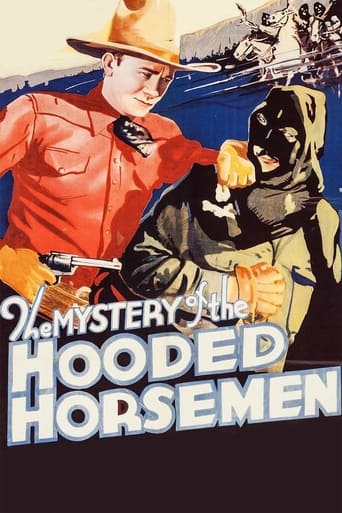
Ray Taylor was a prolific American film director whose career was rooted in the fast-paced studio system of the silent and early sound eras. He is best remembered as a reliable specialist in action-oriented entertainment, especially westerns, serials, and low-budget adventures that were produced efficiently and aimed at broad popular audiences. Taylor directed numerous B-movies and chapter plays for major and minor studios, including Universal, where he became associated with dependable, workmanlike craftsmanship rather than prestige auteurs. His 1937 direction of The Mystery of the Hooded Horsemen places him squarely within the tradition of serial filmmaking that kept moviegoing audiences returning week after week for cliffhangers and masked villains. Although not usually singled out for stylistic flamboyance, he was valued for his ability to stage action clearly, keep narratives moving, and deliver finished films on schedule. Like many directors of his era, Taylor’s reputation was built less on individual auteur branding than on a body of efficient genre filmmaking that helped define the popular cinema of the 1930s and 1940s. He remains an important figure for historians of serials and westerns because his work reflects the industrial heart of classic Hollywood production.
More about Ray Taylor
Behind the camera
Ray Taylor’s directing style was practical, economical, and highly service-oriented, shaped by the demands of studio-era production schedules and modest budgets. He specialized in clear visual storytelling, brisk pacing, and straightforward staging that emphasized action, suspense, and plot momentum over elaborate visual flourish. In serials and westerns, his direction typically focused on making each chapter legible and exciting, with strong attention to cliffhanger endings, chase scenes, and fight sequences. He worked in a conventional classical style that prioritized audience comprehension and entertainment value, which made him especially effective in genre pictures where speed and reliability were essential.
In film history
Ray Taylor’s cultural impact lies in his contribution to the industrial machinery of classic Hollywood rather than in individual auteur celebrity. Directors like Taylor helped sustain the popular genres that filled neighborhood theaters, especially serials that became appointment viewing for younger audiences and fans of adventure storytelling. His work supported the era when westerns and chapter plays were a major part of the American film diet, helping shape the grammar of fast-moving, action-centered entertainment. Though rarely celebrated in mainstream film histories, his films are part of the foundation on which later television adventure series and modern serialized storytelling were built. For contemporary viewers and researchers, his career offers a window into the craft traditions that made the studio era so productive and so durable.
Later reputation
Ray Taylor’s legacy is that of a dependable studio craftsman whose films helped define the rhythm and expectations of genre cinema in the 1930s and 1940s. He is remembered by classic film historians and serial enthusiasts as a director who understood the mechanics of suspense, pacing, and audience retention. His work survives as evidence of how much of Hollywood’s golden-age output depended on efficient specialists who could deliver reliable entertainment under strict production constraints. While he was not a major star director in the prestige sense, his filmography remains valuable for understanding the economics and aesthetics of B-picture filmmaking. In the broader history of American cinema, Taylor represents the many skilled directors whose labor made the studio system function and whose films kept popular genres alive.
Influence
Taylor influenced the medium indirectly through the serial and western traditions he helped sustain, rather than through a heavily personalized directorial style. His work helped establish the visual and narrative economy that later genre directors would continue to use: concise exposition, repeated jeopardy, and action that could be staged quickly yet read clearly by audiences. The discipline of his filmmaking reflects a professional model that influenced television-era episodic adventure as well as low-budget action cinema. His greatest influence is therefore institutional and stylistic within the mechanics of genre production, especially in how to make serial entertainment work effectively within tight time and budget limits.
Off screen
Publicly available information about Ray Taylor’s personal life is limited, which is common for directors who worked primarily in studio genre production rather than as celebrity personalities. Standard reference sources do not consistently document extensive details about his family background, marriages, or private life. As a result, the historical record emphasizes his professional output rather than biographical narrative. This lack of personal publicity suggests he maintained a relatively private life away from the Hollywood spotlight.
Credits
- Directed numerous westerns, action programmers, and serials during the silent and early sound eras
- Worked extensively within the Universal Pictures serial unit and related B-movie production pipelines
- Helmed The Mystery of the Hooded Horsemen (1937), a classic example of 1930s cliffhanger serial entertainment
- Built a reputation for efficient, dependable direction in low-budget genre filmmaking
- Contributed to the popularization of serial adventure storytelling that was central to pre-television moviegoing culture
Films
- The Mystery of the Hooded Horsemen (1937)
- Western Courage (1935)
- Code of the Cactus (1939)
- The Lonely Trail (1936)
- The Lone Ranger Rides Again (1939)
Collaborators
- Serial and western cast members working within the Universal system
- Producers and writers specializing in action chapter plays and low-budget genre films
Studios
- Universal Pictures
- Various independent and poverty-row production units associated with westerns and serials
Notes
- He is best known today by historians for directing serials and westerns rather than prestige features.
- The Mystery of the Hooded Horsemen (1937) is one of the titles that places him in the classic chapter-play tradition.
- Like many studio-era B-picture directors, he often worked without the public-name recognition enjoyed by major Hollywood auteurs.
- His career illustrates how important fast, efficient directors were to the success of studio genre output.
- He was active during a period when serials were a major attraction in American theaters, especially for younger audiences.
- Reference material on his private life is comparatively sparse, which is common for behind-the-scenes filmmakers of the era.
- His filmography is especially useful for studying the production culture of Universal’s adventure and western units.
- He is sometimes overlooked in general film histories despite being part of the working backbone of classic Hollywood.
Questions
Who was Ray Taylor?
Ray Taylor was an American film director best known for his work on westerns, serials, and other action-oriented B-movies during the classic studio era. He is remembered as a dependable craftsman whose films helped define the pacing and suspense of low-budget genre cinema.
What films is Ray Taylor best known for?
He is especially associated with The Mystery of the Hooded Horsemen (1937), along with a range of westerns and serials made for Universal and similar production units. His best-known work is generally found in chapter plays and genre programmers rather than prestige features.
When was Ray Taylor born and when did he die?
Reliable public sources commonly used for classic cinema research do not consistently provide verified birth and death details for Ray Taylor in readily accessible form. Because of that, his exact birth and death dates should be treated cautiously unless confirmed by archival reference material.
What awards did Ray Taylor win?
No major awards or widely documented industry honors are commonly listed for Ray Taylor. His reputation rests more on his professional body of work in genre filmmaking than on formal award recognition.
What was Ray Taylor's directing style?
His directing style was practical, economical, and fast-moving, shaped by the demands of serials and low-budget westerns. He emphasized clear storytelling, action, and suspense, making sure scenes played efficiently and audiences could follow the plot easily.
What is Ray Taylor's legacy in film history?
Taylor’s legacy is that of a skilled studio-era director whose work helped sustain the popular genres that powered classic Hollywood. He represents the many behind-the-scenes craftsmen whose efficient filmmaking kept serials and westerns thriving for decades.