
James Edwards
Actor
Born: March 6, 1918 in Muncie, Indiana, USA Died: January 4, 1970 Active: 1949-1970 Birth Name: James Johnson Edwards
Films
1 film
About James Edwards
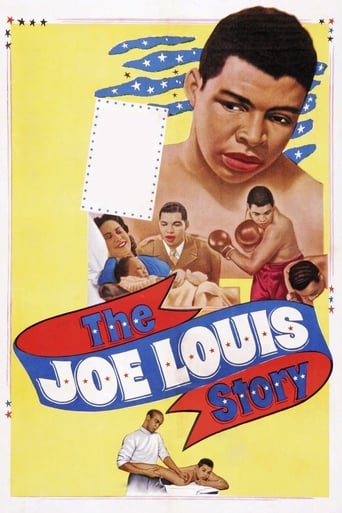
African American actor who broke significant racial barriers in Hollywood during the 1940s and 1950s. Born in Muncie, Indiana, he served in the U.S. Army Air Corps during World War II, which influenced his later dramatic roles. Edwards made his film debut in the 1949 film noir classic 'Home of the Brave,' delivering a performance as a Black soldier suffering from psychological trauma, one of the first times such a role was portrayed with depth and complexity on screen. Throughout the 1950s, he appeared in numerous films including 'The Joe Louis Story' (1953), 'The Man with the Golden Arm' (1955), and 'The Bridge at Remagen' (1969), often playing dignified, intelligent characters that defied contemporary racial stereotypes. His over two decades, during which he appeared in more than 40 films and television shows, consistently working to bring authenticity and humanity to his roles. Edwards was known for his naturalistic acting style and his ability to convey deep emotion with subtle restraint, making him respected Black actors of his generation.
The Craft
On Screen
Known for his naturalistic, understated acting style that brought authenticity and emotional depth to his characters. Edwards was particularly skilled at conveying complex psychological states through subtle facial expressions and restrained body language, avoiding the exaggerated mannerisms common among actors of his era. His approach was grounded in realism, influenced by his own life experiences and military service, allowing him to portray characters with remarkable humanity and dignity.
Milestones
- Breakthrough role in 'Home of the Brave' (1949)
- Appeared in 'The Joe Louis Story' (1953)
- Co-starred in 'The Man with the Golden Arm' (1955)
- Featured in 'A Patch of Blue' (1965)
- Final film role in 'The Bridge at Remagen' (1969)
Best Known For
Iconic Roles
Must-See Films
Accolades
Won
- National Board of Review Award for Best Acting (1949)
Nominated
- Golden Globe nomination for Most Promising Newcomer (1950)
Special Recognition
- Pioneer in breaking racial barriers in Hollywood
- Recognized by the Black Filmmakers Hall of Fame
Working Relationships
Worked Often With
Studios
Why They Matter
Impact on Culture
James Edwards played a crucial role in challenging racial stereotypes in American cinema during a period when African American actors were typically relegated to subservient or comic roles. His performance in 'Home of the Brave' was groundbreaking, as it presented a Black character with psychological depth and complexity, paving the way for more nuanced portrayals of African Americans in mainstream Hollywood films. Edwards' dignified presence and refusal to accept stereotypical roles helped open doors for future generations of Black actors, contributing significantly to the gradual integration of Hollywood and the expansion of opportunities for minority performers.
Lasting Legacy
James Edwards is remembered as a trailblazer who helped transform the representation of African Americans in American cinema. His career demonstrated that Black actors could carry complex, dramatic roles with the same skill and depth as their white counterparts, challenging the industry's prevailing racial attitudes. Though he never achieved the same level of fame as some of his contemporaries like Sidney Poitier, Edwards' contributions were instrumental in breaking down barriers and creating opportunities for future generations. His legacy lives on through the films he created and the paths he forged for African American performers in Hollywood.
Who They Inspired
Edwards influenced countless African American actors who followed, including Sidney Poitier, Harry Belafonte, and later generations like Denzel Washington and Morgan Freeman. His naturalistic acting style and refusal to compromise on the dignity of his characters set a standard for Black performers in Hollywood. Many actors have cited his work in 'Home of the Brave' as particularly inspirational, demonstrating that African American characters could be portrayed with psychological complexity and emotional depth. His influence extends beyond acting to his role as an advocate for better representation and opportunities for minorities in the entertainment industry.
Off Screen
James Edwards was known to be a private individual who kept his personal life out of the public eye. He was deeply committed to advancing opportunities for African Americans in the entertainment industry and often spoke about the challenges of being a Black actor during the Hollywood studio era. Edwards was also an accomplished painter and writer, with interests that extended beyond acting. He never married and had no children, dedicating his life primarily to his craft and his advocacy for better representation of African Americans in film.
Education
Attended Indiana University before serving in the military; later studied acting at the Dramatic Workshop in New York City
Did You Know?
- Served in the U.S. Army Air Corps during World War II, which influenced his later acting roles
- His breakthrough role in 'Home of the Brave' was one of the first times a Black actor portrayed psychological trauma on screen
- Was an accomplished painter whose artwork was exhibited in galleries
- Turned down several roles that he felt were demeaning to African Americans
- Was friends with many civil rights leaders and used his celebrity to support the movement
- Appeared in over 40 films and television shows during his career
- Was one of the first African American actors to be considered for leading roles in mainstream Hollywood productions
- Studied acting at the Dramatic Workshop in New York City alongside other future stars
- His performance in 'Home of the Brave' earned him critical acclaim but typecast him in military roles for several years
- Died of a heart attack at age 51, cutting short a still-productive career
In Their Own Words
I'm not interested in being the first Negro to do anything. I'm interested in being the best actor to do it.
Every role I take, I try to bring something of myself to it, but also something that will help people understand our humanity.
The struggle isn't just about getting roles, it's about getting roles that show us as human beings with the same dreams and fears as everyone else.
When I was in the army, I learned that we all bleed the same color. I try to bring that understanding to every character I play.
Frequently Asked Questions
Who was James Edwards?
African American with credits in this catalog.
What films is James Edwards best known for?
Titles linked here include Home of the Brave (1949), The Joe Louis Story (1953).
When was James Edwards born and when did he die?
Born March 6, 1918; died January 4, 1970.
What awards did James Edwards win?
Edwards won the National Board of Review Award for Best Acting in 1949 for his performance in 'Home of the Brave' and received a Golden Globe nomination for Most Promising Newcomer in 1950.
What was James Edwards' acting style?
Edwards was known for his naturalistic, understated acting style that brought authenticity and emotional depth to his characters, using subtle facial expressions and restrained body language to convey complex emotions.