Jay Adler
Actor
Born: September 26, 1896 in New York City, New York, USA Died: September 23, 1978 Active: 1938-1973
Films
1 film
About Jay Adler
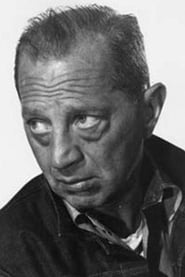
Jay Adler was born into the renowned Adler acting family on September 26, 1896, in New York City, where he began his career on the stage before transitioning to film in the late 1930s. As the brother of acting teacher Stella Adler and actor Luther Adler, he was part of one of America's most theatrical dynasties. Adler carved out a successful niche as a prolific character actor, specializing in portraying gangsters, bartenders, bookies, and various urban characters with an authentic New York edge. He became particularly prominent during the film noir era of the 1940s and 1950s, where his distinctive appearance and naturalistic delivery made him a familiar face in crime dramas. His over three decades, during which he appeared in more than 100 films and countless television episodes, working steadily until his death in 1978. Adler was respected for his reliability and professionalism, often bringing depth and authenticity to even the smallest roles, making him a valuable supporting player in Hollywood's Golden Age.
The Craft
On Screen
Jay Adler was known for his naturalistic and authentic approach to character acting, particularly excelling in portraying urban characters with a distinctive New York flavor. His style was understated yet impactful, using subtle gestures, facial expressions, and a gravelly voice to bring depth to his roles. Adler had a particular talent for making minor characters memorable, often infusing them with a sense of realism that grounded the films in which he appeared. He specialized in playing world-weary, street-smart characters who felt like they had genuinely lived the experiences they portrayed on screen.
Milestones
- Member of the prestigious Adler acting family
- Prolific character actor in film noir
- Appeared in over 100 films
- Transitioned successfully from stage to film
- Long career spanning 35 years
- Frequent collaborator in crime and gangster films
- Reliable supporting player in Golden Age Hollywood
Best Known For
Iconic Roles
Must-See Films
Working Relationships
Worked Often With
Studios
Why They Matter
Impact on Culture
Jay Adler contributed significantly to the film noir genre, helping to define the archetype of the urban supporting character that gave crime dramas their authentic texture. His performances helped create the gritty, realistic atmosphere that defined film noir, making the criminal underworld feel tangible and lived-in. As part of the Adler family legacy, he represented the bridge between Yiddish theater traditions and Golden Age Hollywood, bringing theatrical authenticity to his film roles. His consistent presence in American cinema from the 1930s through the 1960s made him a familiar face that audiences associated with quality crime dramas and realistic urban storytelling.
Lasting Legacy
Jay Adler's legacy lies in his contributions to the character acting tradition in American cinema, particularly in the film noir genre. While never a leading man, his reliable and authentic performances helped elevate countless films, providing the essential texture and realism that made classic crime dramas compelling. His work represents the importance of supporting actors in creating memorable cinema, and his extensive filmography shows the value of character actors in Hollywood's Golden Age. As part of the Adler dynasty, his career also illustrates the family's significant impact on American performing arts across multiple generations.
Who They Inspired
Adler influenced subsequent generations of character actors through his demonstration of how supporting roles could be elevated through authentic, nuanced performances. His naturalistic style, particularly in portraying urban characters, helped set a standard for realism in crime films that influenced later noir and gangster movies. Younger actors studying classic film noir often reference his performances as examples of how to make minor roles impactful through subtle choices and authentic character choices.
Off Screen
Jay Adler came from the Adler acting family, with his father Jacob P. Adler being a renowned Yiddish theater star. He was the brother of Stella Adler, who became one of America's most influential acting teachers, and Luther Adler, also a successful actor. The family was deeply embedded in American theater and film culture, with Jay continuing this legacy through his extensive film career. He maintained a relatively private personal life away from the spotlight, focusing primarily on his craft.
Education
Educated in the theater tradition through his family's extensive involvement in Yiddish theater and Broadway productions
Did You Know?
- Part of the famous Adler acting family dynasty
- Brother of renowned acting teacher Stella Adler
- Appeared in over 100 films during his career
- Specialized in playing gangsters and criminals in film noir
- Began his career on the stage before moving to films
- Often played bartenders, bookies, and other urban characters
- Worked steadily in Hollywood for over 35 years
- Father Jacob P. Adler — legendary Yiddish theater star
- Never received top billing but was consistently employed as a reliable character actor
- Died just three days before his 82nd birthday
Frequently Asked Questions
Who was Jay Adler?
Screen credits include over 100 films from the 1930s through the 1960s, specializing in gangster roles and urban characters, particularly in film noir. He came from the renowned Adler acting family, with his sister Stella Adler becoming a famous acting teacher.
What films is Jay Adler best known for?
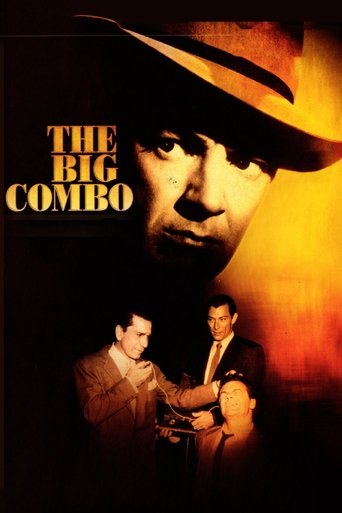
Titles linked here include The Big Combo (1955), The Killing (1956).
When was Jay Adler born and when did he die?
Born September 26, 1896; died September 23, 1978.
What awards did Jay Adler win?
Jay Adler did not receive major awards or nominations during his career, but was highly regarded as a reliable and professional character actor who worked consistently in Hollywood for over 35 years.
What was Jay Adler's acting style?
Jay Adler was known for his naturalistic, authentic approach to character acting, particularly excelling at portraying urban characters with a distinctive New York edge. His style was understated yet memorable, using subtle gestures and authentic dialogue delivery to bring depth to his supporting roles.
How was Jay Adler related to Stella Adler?
Jay Adler was the brother of Stella Adler, the renowned acting teacher who taught Marlon Brando and Robert De Niro. They were both children of Jacob P. Adler, a legendary Yiddish theater star.