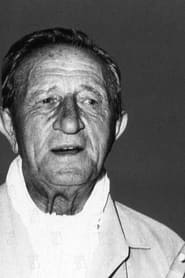
Carmine Gallone
Director
Born: September 10, 1885 in Taggia, Italy Died: March 11, 1973 Active: 1913-1963
Films
1 film
About Carmine Gallone
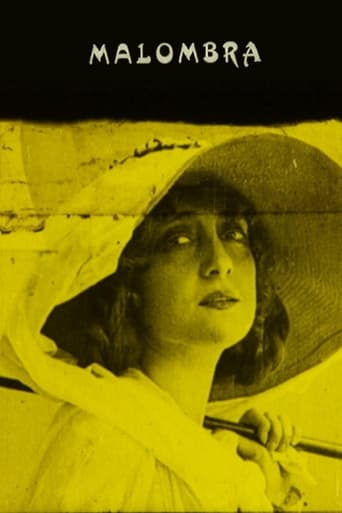
Carmine Gallone was one of Italy's most prolific and influential film directors, with a career spanning over five decades from the silent era through the 1960s. Born in 1885, he began his career in theater before transitioning to cinema during the early days of Italian filmmaking. Gallone directed over 120 films, establishing himself excelled in historical epics, melodramas, and literary adaptations. His 1917 film 'Malombra' exemplified his early work in the silent era, showcasing his ability to create atmospheric, emotionally charged narratives. Throughout the 1920s and 1930s, he became prominent directors in Italian cinema, often working with major stars like Beniamino Gigli and creating lavish productions. During the Fascist era, Gallone continued to work successfully, though some of his films from this period carried political undertones. After World War II, he adapted to the changing Italian film landscape, continuing to direct well into the 1960s. His final films showed his versatility, ranging from historical dramas to contemporary stories, cementing his legacy as one of Italian cinema's most enduring figures.
The Craft
Behind the Camera
Carmine Gallone was known for his grand, operatic directing style characterized by lavish visual spectacle, emotional intensity, and meticulous attention to period detail. His approach combined theatrical traditions with cinematic innovation, often featuring sweeping camera movements and dramatic lighting that enhanced the emotional impact of his narratives. Gallone excelled at literary adaptations, bringing classic novels and plays to life with a distinctive blend of romanticism and realism. His films typically featured strong character development and complex interpersonal relationships, set against richly detailed historical or contemporary backdrops. He was particularly adept at working with actors, especially opera singers, helping them transition their stage presence to the screen while maintaining their artistic authenticity.
Milestones
- Directed the silent masterpiece 'Malombra' (1917)
- Pioneered Italian historical epics in the 1920s
- Collaborated extensively with opera star Beniamino Gigli
- Directed Italy's first sound film 'The Song of Love' (1930)
- Won multiple awards at Venice Film Festival
- Directed over 120 films in a 50-year career
- Successfully transitioned from silent to sound cinema
- Worked across multiple European countries and languages
Best Known For
Must-See Films
Accolades
Won
- Venice Film Festival Mussolini Cup for Best Italian Film (1936) for 'The Old Guard'
- Venice Film Festival Mussolini Cup for Best Italian Film (1937) for 'Scipio Africanus'
- Venice Film Festival Special Prize (1940) for 'Manon Lescaut'
- David di Donatello Golden Plate (1963) for career achievement
Nominated
- Venice Film Festival Golden Lion (1948) for 'The White Devil'
- Cannes Film Festival Grand Prize (1946) for 'The Two Orphans'
- Cannes Film Festival Grand Prize (1951) for 'Messalina'
Special Recognition
- Order of Merit of the Italian Republic
- Honorary member of the Italian Academy of Cinema
- Lifetime achievement award from the Italian Directors Guild
- Retrospective exhibitions at major film festivals
- Multiple streets in Italian cities named in his honor
Working Relationships
Worked Often With
Studios
Why They Matter
Impact on Culture
Carmine Gallone played a crucial role in establishing Italian cinema as a significant cultural force both domestically and internationally. His early silent films like 'Malombra' helped define the aesthetic and narrative possibilities of Italian cinema, blending literary sophistication with visual innovation. Gallone's historical epics and operatic adaptations contributed to Italy's cultural prestige during the Fascist era, showcasing Italian artistry on the international stage. His work bridged the gap between high culture and popular entertainment, making classical literature and opera accessible to mass audiences through cinema. Gallone's films often reflected and shaped Italian national identity, particularly during periods of political upheaval and cultural transformation. His ability to work across multiple European film industries helped establish Italy as a major player in international cinema production.
Lasting Legacy
Carmine Gallone's legacy endures as. His extensive filmography provides a comprehensive chronicle of Italian cinema's evolution from the silent era through the post-war period, documenting changing social mores, artistic styles, and political climates. Gallone's mastery of the historical epic genre influenced generations of filmmakers, establishing visual and narrative conventions that would be emulated in Italian cinema for decades. His successful transition from silent to sound cinema demonstrated remarkable adaptability and artistic growth, serving as a model for other directors facing technological changes in the medium. The preservation and restoration of his films, particularly his silent masterpieces like 'Malombra', continue to provide insight into early 20th-century cinematic techniques and storytelling approaches. Film scholars and historians recognize Gallone as a key figure in understanding the development of Italian national cinema and its relationship to broader European film culture.
Who They Inspired
Gallone's directing techniques, particularly his use of elaborate set design, dramatic lighting, and long takes, influenced the visual style of Italian cinema well into the neorealist period. His approach to literary adaptations set standards for fidelity to source material while maintaining cinematic innovation, a balance that many Italian directors would strive to achieve. His success in creating commercially viable art films demonstrated that Italian cinema could achieve both critical acclaim and popular success, encouraging producers to invest in ambitious projects. Gallone's work with opera singers in film roles pioneered techniques for bringing classical performers to the screen, a practice that would become common in Italian cinema. His international co-productions helped establish models for cross-border filmmaking in Europe, influencing how Italian directors would approach global markets. The emotional intensity and visual grandeur of his films can be seen echoed in the work of later Italian directors like Federico Fellini and Pier Paolo Pasolini, who acknowledged his influence on their own artistic development.
Off Screen
Carmine Gallone led a life deeply intertwined with the artistic and cultural circles of Italy throughout the 20th century. He married twice, first to actress Soava Gallone (born Stanislawa Winawer), who frequently starred in his films during the silent era, and later to Amalia D'Amore. His personal relationships often overlapped with his professional life, particularly his collaboration with his first wife, who was. Gallone's active years covered some of Italy's most turbulent historical periods, including the rise and fall of Fascism, and he managed to navigate these political changes while maintaining his artistic integrity and commercial success. He was known for his sophisticated tastes and cosmopolitan lifestyle, often traveling between Italy, France, and Germany for film projects.
Education
Studied at the Accademia di Belle Arti in Naples, initially training in painting and sculpture before discovering his passion for theater and cinema
Family
- Soava Gallone (1913-1930s)
- Amalia D'Amore (1930s-1973)
Did You Know?
- Directed over 120 films in a career spanning 50 years, making him one of Italy's most prolific directors
- His 1917 film 'Malombra' was considered lost for decades before a print was discovered and restored
- Spoke fluent Italian, French, and German, allowing him to direct films in multiple languages
- His first wife Soava Gallone was one of the highest-paid actresses in Italian silent cinema
- During World War II, he was one of the few Italian directors allowed to continue working by both Fascist and Allied authorities
- His 1937 film 'Scipio Africanus' was commissioned by Mussolini as a propaganda piece but is now considered a masterpiece of historical cinema
- Discovered and launched the careers of several major Italian stars including Anna Magnani
- Was one of the first Italian directors to work in Hollywood, directing several films for MGM in the 1920s
- His films were often more successful internationally than domestically, particularly in France and Germany
- Continued directing well into his 70s, with his final film completed when he was 78 years old
In Their Own Words
Cinema is not just entertainment; it is the mirror through which society sees itself and dreams of what it might become.
To direct is to conduct an orchestra of emotions, where every actor, every camera movement, every light must play in perfect harmony.
The past is never dead in cinema; it lives again through the lens of the present, speaking to future generations.
In Italy, we don't just make films; we create operas without music, where passion and tragedy dance together on the screen.
A director's greatest challenge is not to tell a story, but to make the audience feel it in their hearts.
Frequently Asked Questions
Who was Carmine Gallone?
Carmine Gallone was one of Italy's most prolific and influential film directors, with a career spanning from 1913 to 1963. He directed over 120 films, ranging from silent masterpieces like 'Malombra' (1917) to historical epics and operatic adaptations, establishing himself excelled in grand, emotionally charged cinema.
What films is Carmine Gallone best known for?
Titles linked here include Malombra (1917), The Song of Love (1930).
When was Carmine Gallone born and when did he die?
Born September 10, 1885; died March 11, 1973.
What awards did Carmine Gallone win?
Gallone won multiple prestigious awards including the Venice Film Festival Mussolini Cup for Best Italian Film twice (1936 for 'The Old Guard' and 1937 for 'Scipio Africanus'), a Special Prize at Venice (1940), and a David di Donatello Golden Plate for career achievement (1963).
What was Carmine Gallone's directing style?
Gallone's directing style was characterized by grand, operatic spectacle with lavish visual design, emotional intensity, and meticulous period detail. He excelled at literary adaptations, combining theatrical traditions with cinematic innovation, and was particularly adept at working with opera singers and creating sweeping historical epics.
How did Carmine Gallone influence Italian cinema?
Gallone helped establish Italian cinema's international reputation through his technically sophisticated and emotionally powerful films. His work bridged high culture and popular entertainment, influenced the historical epic genre, and demonstrated how Italian cinema could achieve both artistic merit and commercial success on the global stage.
Was Carmine Gallone involved in politics during the Fascist era?
While Gallone worked successfully during the Fascist period, he was not a party member and maintained artistic independence. Some of his films received regime support, but he was cleared of any collaboration charges after World War II, with colleagues testifying to his apolitical stance and focus on artistic rather than political concerns.