Films
1 film
About Michael Benveniste
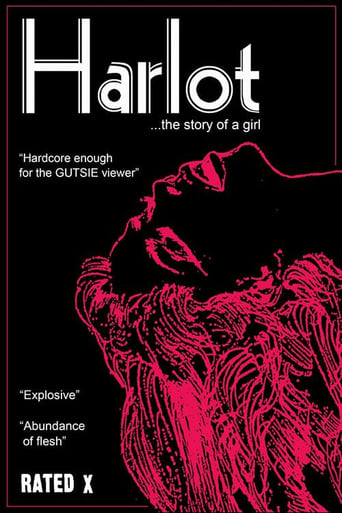
Filmmaker active in the early 1970s, primarily known for his work in the exploitation film genre. He directed and produced the controversial film 'Harlot' in 1971, which became his most notable and only credited directorial effort. Benveniste's career was relatively brief, with his filmography concentrated around the early 1970s period. His work, particularly 'Harlot,' reflected the more permissive filmmaking environment of the era, pushing boundaries with its content. Despite his limited output, Benveniste contributed to the exploitation cinema landscape that thrived during this period of American film history. His film 'Harlot' has since become a cult classic among exploitation film enthusiasts. Beyond his directorial work, little is documented about his broader career in the film industry.
The Craft
Behind the Camera
Michael Benveniste's directing style, as evidenced by 'Harlot,' was characteristic of the exploitation genre of the early 1970s. He employed a gritty, unvarnished approach to filmmaking that prioritized shock value and sensationalism over polished production values. His work often featured provocative themes and content designed to attract audiences through controversy. Benveniste's direction embraced the low-budget aesthetic common in exploitation cinema, using raw visuals and straightforward storytelling to maximize impact. His films typically operated outside the mainstream Hollywood system, targeting drive-in and grindhouse audiences.
Milestones
- Directed and produced 'Harlot' (1971)
- Contributed to the early 1970s exploitation film genre
Best Known For
Must-See Films
Why They Matter
Impact on Culture
Michael Benveniste's cultural impact is primarily limited to his contribution to the exploitation film genre of the early 1970s. His film 'Harlot' represents a specific moment in American cinema when independent filmmakers were pushing boundaries with content that mainstream studios wouldn't touch. While not a major figure in cinema history, Benveniste's work is part of the broader tapestry of 1970s underground filmmaking that challenged censorship norms. His films have gained retrospective appreciation among cult cinema enthusiasts and scholars studying exploitation and underground cinema. Benveniste's work serves as an example of the diverse, often overlooked filmmaking that existed parallel to the New Hollywood movement.
Lasting Legacy
Michael Benveniste's legacy is that of a footnote in the history of American exploitation cinema. His single notable film, 'Harlot,' has achieved cult status and is remembered as an example of early 1970s sexploitation filmmaking. While he didn't have a prolific career, his work contributes to the documentation of the era's underground film scene. Benveniste represents the many independent filmmakers who operated outside the Hollywood system, creating films for specific audiences. His legacy lives on through the continued interest in exploitation films among film historians and cult movie fans.
Who They Inspired
Michael Benveniste's influence on other filmmakers appears to be minimal due to his limited output. However, his work is part of the broader exploitation film tradition that has influenced subsequent generations of independent and horror filmmakers. The aesthetic and thematic elements present in 'Harlot' can be seen echoed in later low-budget genre films. Benveniste's approach to pushing content boundaries within a low-budget framework serves as an example for filmmakers working outside the mainstream system. His film contributes to the understanding of how exploitation cinema evolved throughout the 1970s.
Off Screen
Very little information is available about Michael Benveniste's personal life. He appears to have been a relatively private individual who maintained a low public profile outside of his film work. His brief career in the early 1970s suggests he may have been active in the film industry for only a short period. Details about his family, relationships, or life outside of filmmaking are not documented in available sources.
Did You Know?
- 'Harlot' (1971) was Michael Benveniste's only credited directorial effort
- His film 'Harlot' was part of the early 1970s wave of American exploitation cinema
- The film has since become a cult classic among exploitation film enthusiasts
- Benveniste worked completely outside the Hollywood studio system
- His entire known film career spans only a single year (1971)
- Very little biographical information exists about him in film databases
- His work represents the more permissive filmmaking environment of post-code Hollywood
- 'Harlot' was typical of the sexploitation films that played in grindhouse theaters
Frequently Asked Questions
Who was Michael Benveniste?
American on YTB.my. His career was brief, with this being his only credited directorial work. He was part of the independent filmmaking scene that operated outside Hollywood during this period.
What films is Michael Benveniste best known for?
Titles linked here include Harlot (1971).
When was Michael Benveniste born and when did he die?
Unfortunately, there is no available information about Michael Benveniste's birth date, death date, or birthplace in film databases and historical records. His biographical details remain largely undocumented.
What awards did Michael Benveniste win?
Michael Benveniste did not receive any major awards or nominations for his film work. His films were part of the exploitation genre that typically operated outside the mainstream award circuit and received little critical recognition at the time.
What was Michael Benveniste's directing style?
Benveniste's directing style was characteristic of early 1970s exploitation cinema, featuring gritty visuals, provocative themes, and low-budget production values. He embraced sensationalism and shock value to attract audiences, typical of the grindhouse film aesthetic of the era.