Films
1 film
About Edward Fielding
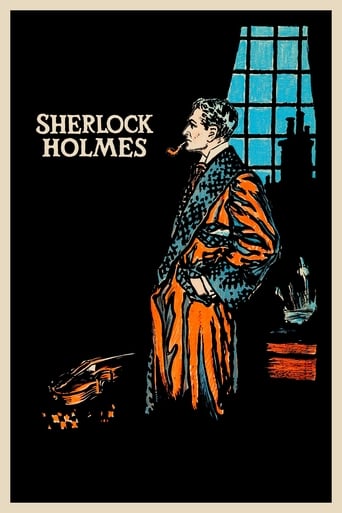
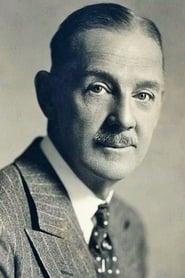
American actor active during the silent film era, best known for his appearance in the 1916 film adaptation of Sherlock Holmes. His career appears to have been extremely brief, with documented work limited to this single production. Fielding was part of the cast that brought William Gillette's famous stage portrayal of Sherlock Holmes to the screen, representing an important moment in early cinema history as one of the first feature-length films about the detective. The 1916 Sherlock Holmes film was considered lost for decades until a complete copy was discovered in France in 2014, making Fielding's performance newly accessible to modern audiences. While his role was likely minor given the brevity of his documented career, he contributed to what is now recognized as a significant milestone in detective film history. Little is known about his life before or after this film, as was common for many character actors of the silent era who appeared in only a handful of productions.
The Craft
Milestones
- Appeared in the 1916 film Sherlock Holmes, one of the earliest feature-length adaptations of Arthur Conan Doyle's detective
Best Known For
Iconic Roles
Must-See Films
Working Relationships
Studios
Why They Matter
Impact on Culture
Edward Fielding's contribution to cinema, while minor in scope, is part of the historically significant 1916 Sherlock Holmes film. This production represents one of the earliest attempts to bring Arthur Conan Doyle's famous detective to the silver screen, starring William Gillette who had made the role famous on stage. The film's rediscovery in 2014 after being lost for nearly a century has renewed interest in all cast members, including Fielding, as they represent the earliest cinematic interpretations of characters that would become cultural icons. His work, however brief, is preserved as part of this important milestone in detective film history and the transition from stage to screen adaptations of literary works.
Lasting Legacy
Edward Fielding's legacy is primarily tied to his participation in the 1916 Sherlock Holmes film, which has gained historical significance as one of the earliest surviving feature-length Sherlock Holmes adaptations. While his individual contribution may have been small, he is part of the cinematic foundation upon which countless later Sherlock Holmes adaptations would be built. The rediscovery of this film has ensured that even minor performers like Fielding are remembered as part of film history, representing the countless character actors who contributed to early cinema during its formative years.
Who They Inspired
Due to the extremely brief nature of his documented career, Edward Fielding's direct influence on other actors or filmmakers cannot be traced. However, as part of the cast of a detective film, he contributed to the early development of the mystery genre in cinema, which would later influence countless filmmakers and actors who followed in bringing detective stories to the screen.
Off Screen
Very little is documented about Edward Fielding's personal life, which was not uncommon for character actors with brief careers in the silent film era.
Did You Know?
- The 1916 Sherlock Holmes film was considered lost for 98 years until a complete copy was discovered in the collections of the Cinémathèque Française in Paris in 2014
- Edward Fielding's entire documented film career consists of just one year (1916)
- The film he appeared in starred William Gillette, who had been playing Sherlock Holmes on stage since 1899 and was considered the definitive interpreter of the role for decades
- Sherlock Holmes (1916) was produced by Essanay Studios, which also produced several Charlie Chaplin films
- The rediscovered print of the film was restored by the San Francisco Silent Film Festival and premiered in 2015
- Fielding was one of many character actors in early cinema whose contributions have been largely lost to history due to incomplete record-keeping
- The 1916 film featured many actors who had performed in Gillette's stage production of Sherlock Holmes
- This was one of the first American feature-length films to be based on a British literary character
Frequently Asked Questions
Who was Edward Fielding?
American with credits in this catalog. His documented career was extremely brief, limited to work in 1916, making him one of many character actors from early cinema whose contributions were modest but historically significant.
What films is Edward Fielding best known for?
Titles linked here include Sherlock Holmes (1916).
When was Edward Fielding born and when did he die?
Unfortunately, specific birth and death dates for Edward Fielding are not documented in available historical records. This is not uncommon for character actors from the silent era who had brief careers and limited documentation of their personal lives.
What awards did Edward Fielding win?
There are no records of Edward Fielding receiving any awards or nominations for his work. During the silent era, formal award systems for film performances were not yet established, and character actors with brief careers rarely received formal recognition.
What was Edward Fielding's acting style?
Due to the limited documentation of his work and the fact that only one film is credited to him, Edward Fielding's specific acting style cannot be definitively characterized. Like many actors of the silent era, he would have used the exaggerated gestures and facial expressions typical of screen acting during that period.