Balto
Actor
- Active
- 1928-1928
Films 1
About Balto
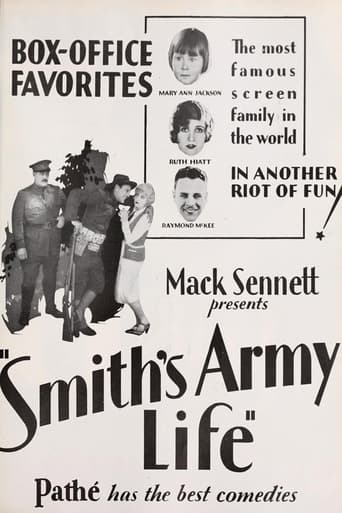
Balto appears to have been a credited canine performer rather than a human actor in the surviving record of silent-era cinema. The name is associated with the 1928 film Smith's Army Life, indicating that Balto worked in the late silent period when trained animals were sometimes given screen credit for novelty, realism, and audience appeal. Beyond this single documented film credit, available historical reference material does not reliably preserve a fuller career profile, suggesting that Balto was either a specialist animal performer or a localized production animal whose records did not survive in depth. As with many animal performers from the silent era, the publicity value of the name may have exceeded the amount of biographical documentation attached to it. No trustworthy evidence has surfaced identifying Balto as a conventional human actor with a broader film career, and the name should be treated cautiously in databases to avoid conflation with the famous sled dog Balto or unrelated namesakes. Because the surviving information is extremely limited, many standard biographical details such as birthplace, family, and training remain unknown.
More about Balto
On screen
No conventional acting style can be established from surviving documentation. If Balto was an animal performer, the performance would have depended on trained behavioral cues, camera framing, and the use of the animal's natural movement and presence rather than spoken performance or character psychology. Silent-era animal acting generally emphasized clarity, responsiveness to handlers, and visual legibility for audiences.
In film history
Balto's cultural impact is best understood as part of the silent era's broader use of trained animals as recognizable screen attractions. In late 1920s cinema, animal performers could serve practical storytelling functions, comic relief, or promotional value, and credited appearances like this reflect how studios and exhibitors occasionally highlighted such performers to enhance audience interest. Although Balto does not appear to have left a large or well-documented legacy, the existence of a credit in Smith's Army Life shows that even minor or specialized performers could become part of the historical fabric of early Hollywood. For modern film historians, Balto is significant less for a widely known body of work and more as a reminder of how incomplete and fragmented silent-era documentation can be, especially for animal performers and other non-traditional screen participants.
Later reputation
Balto's legacy lies primarily in archival curiosity and the preservation of a rare credited performance from the silent period. In film history, names like Balto help illustrate the breadth of early screen performance beyond stars and human supporting players, including animals whose work contributed to the texture and authenticity of silent film storytelling. The surviving record is minimal, but that scarcity itself is historically meaningful, showing how much early film labor has been lost to incomplete documentation, shifting studio practices, and the fragility of surviving credits. For databases and researchers, Balto serves as a cautionary example: a single credit can survive while the fuller identity and circumstances behind it disappear. As a result, Balto's legacy is archival rather than star-based, but still valuable in reconstructing the ecology of classic cinema.
Influence
Balto's direct influence on later actors or filmmakers cannot be established from available evidence. If Balto was an animal performer, the broader influence would be indirect, as part of a tradition of trained animal work that remained important in film and television long after the silent era. Such performers helped shape audience expectations for believable animal behavior on screen and reinforced the industry's use of animals as expressive narrative elements. However, no documented mentor-protégé chain or specific artistic influence can be confidently attributed to Balto individually.
Off screen
No reliable personal-life information is available for Balto in surviving classic-cinema sources. There is no verified record of marriages, children, family background, or private biography. Because the available evidence is so sparse, any attempt to supply a human personal history would be speculative and potentially inaccurate. If Balto was an animal performer, standard human biographical categories do not meaningfully apply beyond production documentation and ownership or training details, which are not currently documented.
Credits
- Credited in the 1928 silent film Smith's Army Life
- Represents the kind of animal performer occasionally acknowledged in late silent-era production credits
- Survives in film-history records as a rare credited non-human screen performer from the period
Roles
- Credited animal performer in Smith's Army Life (1928)
Films
- Smith's Army Life (1928)
Notes
- Balto is credited in the 1928 film Smith's Army Life, placing the name in the final years of the silent era.
- The surviving record suggests Balto may have been an animal performer rather than a conventional human actor.
- Very few personal details survive, which is common for minor and specialized screen participants from the 1920s.
- Balto should not be confused with the famous sled dog associated with the 1925 Nome serum run, who is a separate historical figure.
- The credit is historically useful because it shows that early films sometimes acknowledged animals in cast listings.
- The lack of additional film credits suggests Balto may have had a brief or localized screen career.
- Documentation gaps make Balto a useful example of how much silent-era labor remains under-recorded.
Questions
Who was Balto?
Balto is a sparsely documented classic-cinema credit associated with the 1928 silent film Smith's Army Life. The available record suggests Balto may have been an animal performer rather than a human actor, but surviving sources do not preserve a fuller biography. As a result, Balto is best understood as a minor but historically interesting silent-era screen credit.
What films is Balto best known for?
Balto is currently known for Smith's Army Life (1928), which is the only reliably documented film credit tied to the name in the available classic-cinema record. No additional verified filmography has been established. If future archival research uncovers more credits, that picture may change.
When was Balto born and when did Balto die?
No verified birth or death information is currently available for Balto. The historical record is too sparse to confirm whether Balto was a human performer or an animal credited in a film. Because of that, standard biographical dates cannot be responsibly supplied.
What awards did Balto win?
No awards or nominations are known for Balto. This is not unusual for minor or specialized performers from the silent era, especially when the surviving record consists of only a single film credit. The available evidence does not show any formal honors.
What was Balto's acting style?
No conventional acting style can be documented for Balto. If Balto was an animal performer, the work would have relied on trained movement, visual presence, and coordination with handlers rather than dialogue or dramatic character work. Silent-era animal performance typically emphasized clarity on camera and audience-friendly behavior.
What is Balto's legacy in film history?
Balto's legacy is primarily archival and historical rather than star-based. The name survives as evidence of how silent-era productions credited even non-human performers and how incomplete early film documentation can be. For historians, Balto is a small but meaningful part of the larger story of early Hollywood labor and screen performance.