Smith's Army Life
Plot
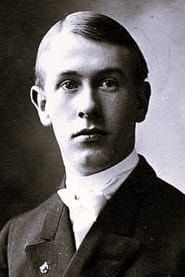
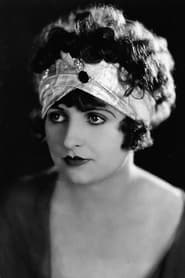
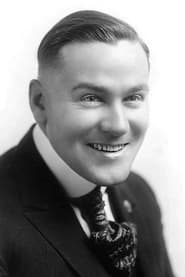
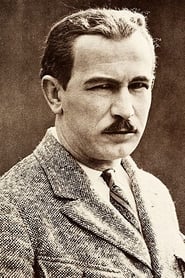
Smith's Army Life is a short silent comedy in which the familiar Smith family characters are placed in a military setting for a new round of misadventures. As the 19th entry in The Smith Family series, the film follows the family’s patented domestic squabbling and broad comic misunderstandings into army life, where discipline, drill, and hierarchy become the latest targets of comedy. Raymond McKee again plays the hapless Smith patriarch, with Ruth Hiatt and Mary Ann Jackson contributing to the domestic and comic complications that define the series. The plot is driven less by elaborate narrative than by a succession of gags, reversals, and chaotic encounters that play off the incongruity between homegrown silliness and military order. Like other 2-reel entries in the series, the film was designed to deliver a compact burst of slapstick and character comedy rather than a complex story arc.
About the Production
Smith's Army Life was made as part of the long-running The Smith Family comedy series, a string of short two-reel films produced for the silent-era market. The film was directed by Alfred J. Goulding, a filmmaker associated with efficient, gag-driven comedy production, and it featured the series' regular performers Raymond McKee, Ruth Hiatt, and Mary Ann Jackson. As with many Hal Roach shorts of the period, the emphasis was on economical production, fast turnaround, and repeatable comic situations built around established characters. Specific budget and earnings figures do not appear to be widely documented in surviving reference sources. The film was produced in the final years of the silent era, when short comedies still occupied an important place in theatrical programs.
Historical Background
Smith's Army Life was made in 1928, a pivotal year in film history. The industry was in the middle of the transition from silent films to synchronized sound, following the enormous impact of The Jazz Singer in 1927, yet silent short comedies were still being produced and exhibited widely. Two-reel comedies remained a staple of theater programs, especially for studios like Hal Roach that specialized in reliable, fast-turnover comic product. The film also reflects the late silent-era taste for series comedy, where audiences returned to familiar characters across multiple installments much like later television sitcom viewers. In a broader social sense, military comedy had long been a popular form because it allowed filmmakers to lampoon authority, discipline, and masculine rituals in a harmless, broadly entertaining way.
Why This Film Matters
Although Smith's Army Life is not a widely famous title today, it belongs to an important industrial and cultural tradition: the short-form silent comedy series. Films like this helped define the rhythm of early moviegoing, especially when a feature was routinely accompanied by shorts, newsreels, and novelty items. The Smith Family series illustrates how studios built repeat audiences through recognizable characters and simple comic premises, a strategy that anticipates later serial television comedy. From a film-historical perspective, the movie is significant as part of Hal Roach's broader contribution to American screen comedy, helping preserve the conventions of visual gag construction, domestic farce, and ensemble timing. Its value today is also archival, as surviving information on lesser-known shorts helps scholars reconstruct the full scope of silent-era production beyond the canonical feature films and major stars.
Making Of
Smith's Army Life was produced within the highly systematized Hal Roach studio environment, where short comedies were assembled around recurring performers, stock situations, and rapid production schedules. Alfred J. Goulding was well suited to this model, as he understood how to stage visual gags cleanly for silent exhibition and keep the action moving at a brisk pace. The film continued the established identities of the Smith family characters, so part of the behind-the-scenes challenge would have been maintaining consistency with earlier entries while finding a fresh comic angle in the army setting. Like many silent shorts, it relied on physical business, facial expression, and precise timing rather than dialogue, which placed a premium on performers who could convey personality quickly and clearly. Surviving production records on exact shooting conditions, set design specifics, or on-set anecdotes are limited, which is typical for lesser-known silent shorts from the late 1920s.
Visual Style
The cinematography would have followed standard late-silent comedy practice: fixed or lightly mobile camera setups, clear full- or medium-length framing, and staging designed to keep physical action legible. In shorts of this type, visual clarity was more important than elaborate camera movement, because the humor depended on the audience seeing the entire gag unfold. Lighting and composition would have been functional rather than expressionistic, with the goal of preserving the timing and readability of the performers' reactions. The military setting likely provided a chance for orderly group staging and contrast between regimented backgrounds and chaotic comic movement. Nothing in the surviving descriptive record suggests unusual camerawork, so the style is best understood as efficient, studio-bound silent comedy cinematography.
Innovations
The film does not appear to be associated with major technical innovations, but it does represent the mature craftsmanship of late silent short-comedy production. Its principal technical strength would have been the ability to tell a complete comic story economically in roughly two reels, using precise editing and staging to maximize gag density. The film also exemplifies the studio efficiency of Hal Roach shorts, which were designed to be legible, fast-moving, and easy for theater projection in mixed programs. Any technical interest lies in the disciplined orchestration of ensemble physical comedy rather than in special effects or novel camera techniques. As with many shorts of the era, its achievement is in economy and timing.
Music
As a 1928 silent film, Smith's Army Life would originally have been exhibited with live musical accompaniment, typically supplied by a theater pianist, organist, or small ensemble depending on venue. No original composed soundtrack is known to survive in standard reference sources, and no synchronized sound elements are associated with the film. Music would have been selected to match the rhythm of the comedy, with lively cues for gags, chase-like passages, and moments of confusion or surprise. Modern presentations of silent shorts may use newly assembled accompaniment or archival-style piano scores, depending on the venue or restoration source. There is no widely documented original cue sheet currently associated with the title in commonly accessible records.
Famous Quotes
No synchronized dialogue was recorded for this silent film.
Any surviving intertitles are not widely documented in accessible reference sources.
Memorable Scenes
- The Smith family attempting to adjust to military discipline and the rigid routines of army life.
- A sequence of comic confusion in which the family's habitual domestic chaos collides with the orderly world of drills and commands.
- Broad physical gags that exploit the contrast between civilian awkwardness and military formality.
Did You Know?
- This film is the 19th release in The Smith Family series of 2-reel comedies.
- Alfred J. Goulding, the director, was a prolific silent-era comedy craftsman who worked on numerous short subjects and contributed to the visual rhythm of silent slapstick.
- Raymond McKee, Ruth Hiatt, and Mary Ann Jackson were recurring series performers, helping audiences recognize the characters across multiple installments.
- The title suggests a military-comedy premise, a common silent-era device that placed ordinary characters in institutions that could be mocked through broad physical humor.
- The film was released in 1928, a transitional period when silent shorts were still being made even as sound films were beginning to dominate feature production.
- The Smith Family series itself was part of the studio-era practice of building audience familiarity through recurring comic characters rather than standalone feature-length narratives.
- Because it is a short film from the late silent period, detailed documentation such as box office records and exact shooting dates is limited compared with major features.
- Its existence is documented in film catalogs and archival databases, but like many shorts of the era, it is not widely circulated today.
- The film is representative of Hal Roach's efficient comedy output, which often balanced domestic comedy with topical or situational variations.
- Short comedy series like The Smith Family were important program fillers for theaters, providing dependable entertainment between features.
What Critics Said
Contemporary critical reception for Smith's Army Life is not well preserved in widely accessible sources, which is common for late silent short subjects. It was likely reviewed, if at all, as part of the general output of the series and judged primarily on its immediate comic effectiveness rather than as a standalone artistic statement. Modern critical discussion is similarly limited, with the film usually appearing in reference works, filmographies, and archival databases rather than in detailed review essays. Historians tend to evaluate it as a representative example of Hal Roach comedy production and series-based silent short filmmaking rather than as a landmark title. Because of its relative obscurity, it is more often appreciated by archivists and silent-cinema researchers than by general critics.
What Audiences Thought
Specific audience-response records are not readily available, but the film was made for the mass theatrical audience that regularly consumed short comedies as part of mixed bills. The repeated use of the Smith Family characters suggests that the series had enough appeal to justify a 19th installment, implying dependable if modest audience interest. Films like this were designed to deliver accessible, low-pressure humor that could be understood immediately by viewers of all ages. For contemporary audiences, the film would have functioned as a familiar comic interlude rather than an event picture. Today, its audience is largely limited to silent-film enthusiasts, historians, and collectors when prints or excerpts are available.
Film Connections
Influenced By
- Earlier silent slapstick tradition
- Military farce and barracks comedy in stage and film
- Recurring-character short comedy series
- Hal Roach studio comedy formula
This Film Influenced
- Later domestic-comedy short series
- Military spoof comedies
- Ensemble situation comedies built around recurring family characters
You Might Also Like
More Comedy Films
View allMore from Alfred J. Goulding
View allFilm Restoration
Preservation status is uncertain in widely accessible reference sources; the film is documented but not widely circulated, and may survive only in archival holdings or incomplete prints. It is not commonly available as a restored mainstream release.