Vyacheslav Levandovskiy
Director
Born: 1897 in Russian Empire Died: 1962 Active: 1920s-1962
Films
1 film
About Vyacheslav Levandovskiy
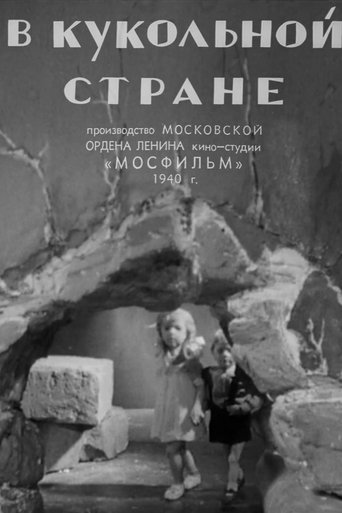
Soviet animator and director who in the development of early Soviet animation. Born in 1897, he began his career in the 1920s during the formative years of Soviet cinema, experimenting with various animation techniques including stop-motion and cut-out animation. Levandovskiy worked primarily at the state animation studio Soyuzmultfilm, where he developed innovative approaches to puppet animation that would influence generations of Soviet animators. His 1941 film 'In the Doll Land' (V strane kukol) represented one of his most sophisticated works, showcasing his mastery of stop-motion puppetry and storytelling. Throughout his career, he contributed to establishing the distinctive aesthetic of Soviet animation, often focusing on fairy tales and children's stories that aligned with Soviet cultural values. Levandovskiy continued working through the 1940s and 1950s, mentoring younger animators and helping to build the infrastructure of the Soviet animation industry until his death in 1962.
The Craft
Behind the Camera
Levandovskiy's directing style emphasized meticulous craftsmanship in stop-motion puppet animation, with careful attention to movement, timing, and visual storytelling. He often adapted fairy tales and children's literature, creating magical worlds through detailed puppet design and elaborate sets. His approach combined technical precision with artistic vision, establishing a distinctive Soviet aesthetic in animation that valued both educational content and artistic merit.
Milestones
- Pioneer of Soviet stop-motion animation
- Director of 'In the Doll Land' (1941)
- Key figure at Soyuzmultfilm studio
- Developer of puppet animation techniques
- Mentor to Soviet animation community
Best Known For
Must-See Films
Accolades
Won
- Honored Artist of the RSFSR
- Order of the Red Banner of Labour
Special Recognition
- Pioneer of Soviet Animation
- Key figure in establishing Soyuzmultfilm
Working Relationships
Worked Often With
Studios
Why They Matter
Impact on Culture
Vyacheslav Levandovskiy significantly influenced the development of Soviet animation, helping establish it as a distinct art form separate from Western animation traditions. His work in stop-motion puppetry created a uniquely Soviet aesthetic that emphasized craftsmanship and artistic integrity. His films, particularly 'In the Doll Land,' contributed to the cultural landscape of Soviet children's entertainment, providing imaginative content that aligned with Soviet educational and cultural values. Levandovskiy's technical innovations in puppet animation techniques were passed down through generations of Soviet animators, influencing the distinctive style that would characterize Soyuzmultfilm productions for decades.
Lasting Legacy
Levandovskiy's legacy endures through his contributions to the foundation of Soviet animation and his role in developing stop-motion techniques. His work represents an important chapter in the history of world animation, demonstrating how Soviet artists created their own distinctive animation language. The films he directed continue to be studied by animation historians as examples of early Soviet animation artistry, and his influence can be seen in the later works of renowned Soviet animators who built upon his technical and artistic innovations.
Who They Inspired
Levandovskiy influenced subsequent generations of Soviet animators through his work in puppet animation and his role as a mentor at Soyuzmultfilm. His technical approaches to stop-motion and his aesthetic choices in children's animation helped establish standards that would guide Soviet animation for decades. Contemporary animators studying the history of the art form continue to reference his work as an important example of early animation innovation outside the Western tradition.
Off Screen
Limited information is available about Levandovskiy's personal life, as was common for many Soviet-era artists. He dedicated most of his adult life to his work in animation, contributing to the cultural development of the Soviet Union through his artistic endeavors.
Education
Likely self-taught or trained through early Soviet film programs
Did You Know?
- 'In the Doll Land' was released just before the Soviet Union entered World War II
- Levandovskiy was part of the first generation of Soviet animators
- His work primarily focused on children's stories and fairy tales
- He helped develop the distinctive Soviet approach to puppet animation
- His films often featured elaborate miniature sets and detailed puppet construction
- Levandovskiy worked during Stalin's era when animation was heavily regulated
- He contributed to establishing Soyuzmultfilm as the premier Soviet animation studio
- His techniques influenced later Soviet stop-motion masters like Stanislav Sokolov
Frequently Asked Questions
Who was Vyacheslav Levandovskiy?
Soviet animator and on YTB.my.
What films is Vyacheslav Levandovskiy best known for?
Titles linked here include In the Doll Land (1941), The Tale of the Fisherman and the Fish (1939).
When was Vyacheslav Levandovskiy born and when did he die?
Born 1897; died 1962.
What awards did Vyacheslav Levandovskiy win?
Levandovskiy received recognition as an Honored Artist of the RSFSR and was awarded the Order of the Red Banner of Labour for his contributions to Soviet cinema and animation.
What was Vyacheslav Levandovskiy's directing style?
Levandovskiy's directing style emphasized meticulous stop-motion puppet animation with careful attention to craftsmanship, often adapting fairy tales and children's literature to create magical worlds that combined technical precision with artistic vision.