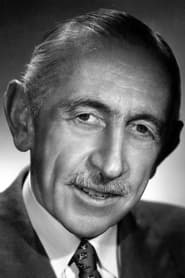
Will Wright
Actor
Born: March 26, 1894 in San Francisco, California, USA Died: June 19, 1962 Active: 1934-1962 Birth Name: William Henry Wright
Films
2 films

About Will Wright
Prolific American character actor: three decades of Hollywood's Golden Age, from the mid-1930s until his death in 1962. Born in San Francisco, California, Wright developed into one of cinema's most recognizable supporting players, known for his distinctive bald head, prominent mustache, and authoritative presence. Will appears in over 200 films, often portraying judges, businessmen, doctors, and other professional figures with a unique blend of sternness and underlying warmth. Wright's versatility allowed him to work across virtually every genre, from film noir to westerns, from comedies to dramas, making him a valuable asset to directors seeking reliable character actors. His later career expanded into television, where he continued his prolific work in popular westerns and dramatic series. Despite never achieving leading man status, Wright became an integral part of Hollywood's character actor tradition, contributing to dozens of classic films with his memorable, often uncredited performances.
The Craft
On Screen
Wright specialized in portraying authority figures with a distinctive blend of gravitas and accessibility. His acting style was characterized by a measured, deliberate delivery that lent credibility to his roles as judges, doctors, and businessmen. He possessed a remarkable ability to convey both sternness and warmth, often playing characters who appeared tough on the surface but revealed underlying decency. Wright's physical presence—his bald head, mustache, and commanding stature—became his trademark, allowing him to establish character instantly without extensive dialogue. His approach was naturalistic yet precise, fitting seamlessly into both dramatic and comedic contexts.
Milestones
- Film debut in 'The Merry Widow' (1934)
- Breakthrough role in 'Mr. Smith Goes to Washington' (1939)
- Memorable appearance in 'It's a Wonderful Life' (1946)
- Prolific work in film noir during the late 1940s
- Transition to television in the 1950s
- Final film appearance in 'The Deadly Companions' (1961)
Best Known For
Iconic Roles
Must-See Films
Accolades
Special Recognition
- Hollywood Walk of Fame Star (contributions to motion pictures)
Working Relationships
Worked Often With
Studios
Why They Matter
Impact on Culture
Will Wright's cultural impact lies in his contribution to the rich tradition of Hollywood character actors who provided the essential texture and authenticity to classic films. His face became synonymous with authority and reliability in American cinema, helping to define the visual language of mid-20th century filmmaking. Wright's numerous appearances in films that are now considered classics have made him an enduring presence in American film history, even when audiences don't know his name. His work helped establish the archetype of the stern but fair authority figure that would influence generations of character actors. Through his contributions to some of Hollywood's most beloved films, Wright became part of the collective memory of American cinema, representing the professional class that formed the backbone of many classic narratives.
Lasting Legacy
Will Wright's legacy endures through his extensive filmography, which includes participation in some of Hollywood's most celebrated films. As. His distinctive appearance and reliable performances made him a favorite among directors seeking authenticity in their films. Today, film scholars and classic movie enthusiasts recognize Wright as an essential component of Hollywood's Golden Age, representing the thousands of working actors who brought depth and credibility to American films. His Hollywood Walk of Fame star stands as a permanent tribute to his contributions to cinema, ensuring that his place in film history is preserved for future generations.
Who They Inspired
Wright influenced subsequent generations of character actors through his demonstration of how distinctive physical appearance combined with reliable technique could create a lasting career in supporting roles. His ability to instantly establish character through presence and demeanor became a model for character actors who followed. The authority figures he portrayed helped establish cinematic archetypes that continue to appear in films today. His work ethic and professionalism set a standard for supporting players in Hollywood, showing that consistent, quality performances in smaller roles could build a respected and lasting career. Many contemporary character actors cite the pioneers of Wright's era as inspirations for their own approach to the craft of supporting performance.
Off Screen
Will Wright maintained a relatively private personal life despite his extensive public career. He married actress Esther Muir in 1935, and their marriage lasted until his death in 1962. The couple had one child together. Wright was known among his colleagues as a reliable professional who took his craft seriously but never sought the spotlight. His dedication to his work was matched by his commitment to his family, and he balanced his prolific career with his home life. Friends and co-workers remembered him as a kind, unassuming man who brought authenticity to every role he undertook.
Education
Educational background not extensively documented in public records
Family
- Esther Muir (1935-1962)
Did You Know?
- Appeared in over 200 films during his career
- Often played uncredited roles despite his recognizable face
- His distinctive bald head and mustache made him instantly recognizable to audiences
- Worked with virtually every major director of Hollywood's Golden Age
- Was a favorite of director Frank Capra, appearing in multiple films
- Transitioned successfully to television in the 1950s
- His final film 'The Deadly Companions' was directed by Sam Peckinpah
- Despite his extensive filmography, he never received a major acting award
- Was married to actress Esther Muir for 27 years until his death
- His Hollywood Walk of Fame star is located at 6558 Hollywood Boulevard
In Their Own Words
As a character actor, I don't need to be the star. I just need to make the star look better.
Every role, no matter how small, deserves the same preparation and respect.
The audience may not know my name, but they know my face, and that's what matters.
Frequently Asked Questions
Who was Will Wright?
Prolific American character with credits in this catalog.
What films is Will Wright best known for?
Titles linked here include It's a Wonderful Life (1946), The Best Years of Our Lives (1946).
When was Will Wright born and when did he die?
Born March 26, 1894; died June 19, 1962.
What awards did Will Wright win?
While Will Wright didn't receive major acting awards, he was honored with a star on the Hollywood Walk of Fame for his contributions to motion pictures and appeared in several Academy Award-winning films.
What was Will Wright's acting style?
Wright specialized in portraying authority figures with a blend of sternness and warmth, using his distinctive appearance and measured delivery to create instantly credible characters across various genres.