


The Deadly Companions
"No escape from ex"
Keys: Space play/pause · ←/→ 10s · F fullscreen · M mute · </> speed
About this film
Across mid-century life, ex-army officer accidentally kills a woman's son, tries to make up for it by escorting the funeral procession through dangerous Indian territory.
Cast & crew
More Western films
View all →

More about this film
About the production
Release dateMay 1, 1961
Budget$1,000,000
Box officeModest commercial performance, not a major box office success
ProductionThe Filmgroup, Security Pictures, Pathé
Filmed inDurango, Mexico, Sierra Madre mountains, Churubusco Studios, Mexico City
This was Sam Peckinpah's directorial debut, though he had previously directed television episodes. The film was shot on location in Mexico to take advantage of lower production costs and authentic Western landscapes. Peckinpah fought constantly with producer Charles B. Fitzsimons (Maureen O'Hara's brother) over creative control. The production was troubled, with Peckinpah reportedly being drunk during much of the shoot and nearly fired multiple times. Despite the difficulties, the film established many visual and thematic elements that would become Peckinpah's trademarks.
Themes
Redemption and guiltViolence and its consequencesMoral ambiguityThe harshness of frontier lifeHuman connection in isolation
Themes & topics
funeral processionaccidental killingApache territoryex-Union soldierredemption questdangerous journeyfrontier towndance hall ownerguiltWestern frontierNative American conflictmoral obligation
Historical background
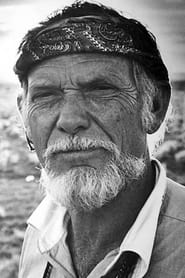
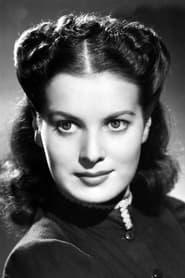
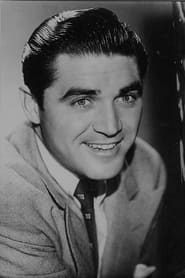
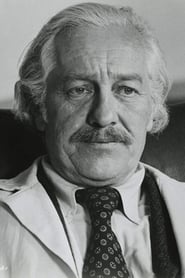
Audiences in 1961 encountered The Deadly Companions at a point when the mid-century was reshaping what movies could say and show. It stars Maureen O'Hara, Brian Keith, Steve Cochran, and Chill Wills. Based on the 1960 novel Yellowleg by Sid Fleischman (credited as 'A.
Why this film matters
The Deadly Companions continues to attract interest because it captures a distinctive mid-century approach to character and spectacle.
Making of
The production of 'The Deadly Companions' was notoriously difficult, marking the beginning of Sam Peckinpah's reputation as a difficult director. Peckinpah, an alcoholic, reportedly drank heavily throughout the shoot and frequently clashed with producer Charles B. Fitzsimons over creative decisions. The tension was so severe that Peckinpah was fired multiple times during production, only to be rehired when it became clear no one else could complete the film. Maureen O'Hara, though professional, found Peckinpah's methods challenging but respected his artistic vision. The film was shot entirely on location in Mexico, which presented its own challenges including harsh weather conditions and difficult terrain. Despite these troubles, Peckinpah managed to create a visually striking film that already displayed the cinematic style that would make him famous. The experience taught Peckinpah valuable lessons about Hollywood politics that would influence his approach to future projects.
What critics said
Later criticism frames The Deadly Companions through restoration quality and its director or studio filmography.
Did you know?
- This was Sam Peckinpah's feature film directorial debut, though he had extensive television experience directing shows like 'The Rifleman' and 'Gunsmoke'
- Maureen O'Hara's brother Charles B. Fitzsimons served as producer and constantly clashed with Peckinpah over the film's direction
- Steve Cochran died unexpectedly during the production of another film just months after 'The Deadly Companions' was released
- The film was based on the novel 'Deadly Companions' by A.S. Fleischman
- Peckinpah was reportedly so difficult during production that he was fired and rehired multiple times
- The movie was filmed in Mexico to take advantage of lower production costs and authentic Western scenery
- Despite being Peckinpah's debut, the film already showcased his signature themes of violence, redemption, and complex morality
- The film's original cut was significantly longer, but was trimmed down by the studio for release
- Maureen O'Hara was initially hesitant to work with the inexperienced Peckinpah but was convinced by her brother
- The film's troubled production became in Hollywood and was often cited as an example of director-producer conflict
Visual style
The cinematography by William H. Clothier, a veteran of many John Ford films, brought a classic Western visual sensibility to Peckinpah's directorial debut. Clothier's work emphasized the vast, unforgiving landscapes of Mexico, using wide shots to establish the isolation and danger of the journey. The film features striking compositions that contrast the harsh beauty of the desert with the violence and tension of the story. Clothier employed natural lighting techniques that would become more pronounced in Peckinpah's later works, particularly in the outdoor sequences. The camera work during action scenes shows early experimentation with the rapid editing techniques that would become a Peckinpah trademark. The visual style bridges classic Western cinematography with the more dynamic, psychologically charged approach that would define Peckinpah's mature work.
Innovations
While not groundbreaking in its technical aspects, 'The Deadly Companions' featured several notable technical elements for its time. The film's on-location shooting in Mexico's challenging terrain required innovative approaches to equipment transport and setup in remote areas. The sound recording in natural environments presented significant challenges that the technical crew overcame with portable recording equipment. The film's editing, particularly in action sequences, shows early experimentation with rapid cuts and cross-cutting techniques that would be refined in Peckinpah's later works. The cinematography achieved impressive visual quality despite the difficult shooting conditions, utilizing natural light to enhance the authenticity of the outdoor scenes. The production design effectively created believable frontier town settings on limited resources.
Music
The musical score was composed by Hans J. Salter, a prolific composer known for his work on numerous Universal Pictures films. Salter's score combines traditional Western orchestral elements with more dramatic, romantic themes that underscore the emotional journey of the characters. The music prominently features strings and brass to create both sweeping landscape themes and intimate character moments. While not as innovative as some later Peckinpah scores, Salter's work effectively supports the film's blend of action and emotional drama. The soundtrack includes period-appropriate songs that enhance the film's historical setting. The score's emphasis on melancholy and redemption themes foreshadows the musical approaches that would be used in Peckinpah's more famous Westerns.
Famous quotes
I killed your boy... I'm going to take him home.
A man's got to do what he's got to do, even if it kills him.
This country doesn't forgive mistakes, it just buries them.
We're all dead men walking, some of us just don't know it yet.
Memorable scenes
- The opening saloon shootout where Billy accidentally kills the young boy, setting the entire plot in motion
- The tense journey through Apache territory with the funeral procession, highlighting the group's vulnerability
- The climactic confrontation where Billy must face the consequences of his actions
- The emotional scene where Kit confronts Billy about her son's death
- The final burial sequence that brings closure to the journey and characters' arcs
What audiences thought
Audience reception was modest at best, with the film performing poorly at the box office upon its initial release. Many viewers found the film darker and more morally ambiguous than typical Westerns of the era, which may have limited its popular appeal. The film's relatively small budget and limited marketing campaign also contributed to its commercial disappointment. However, over the decades, the film has developed a cult following among Western enthusiasts and Peckinpah aficionados who appreciate it as the director's first feature. Modern audiences watching the film on home video or streaming platforms often express surprise at how many of Peckinpah's signature themes and visual techniques were already present in his debut work. The film has gained retrospective appreciation as an important stepping stone in the career of one of America's most influential directors.
Film connections
Influenced by
- John Ford's Westerns
- Anthony Mann's psychological Westerns
- Classic Hollywood Western conventions
- A.S. Fleischman's novel
- Television Western formats
This film influenced
- Ride the High Country
- Peckinpah's next film)
- The Wild Bunch
- Pat Garrett & Billy the Kid
- Major Dundee
Film restoration
The film has been preserved and is available through various archives. It received a DVD release as part of Western collections and has been shown on cable channels specializing in classic films. The original negative appears to be in good condition, though no major restoration efforts have been undertaken. The film is occasionally screened at film festivals and revival theaters specializing in Western cinema or Sam Peckinpah retrospectives.
Where to watch
- Available on DVD through various classic film distributors
- Streaming on some classic movie platforms
- Occasionally airs on Turner Classic Movies and other classic film channels
- Available for digital rental or purchase on major platforms