
Chill Wills
Actor
Born: July 18, 1902 in Seagoville, Texas, USA Died: December 15, 1978 Active: 1934-1978 Birth Name: Theodore Childs Wills
Films
2 films

About Chill Wills
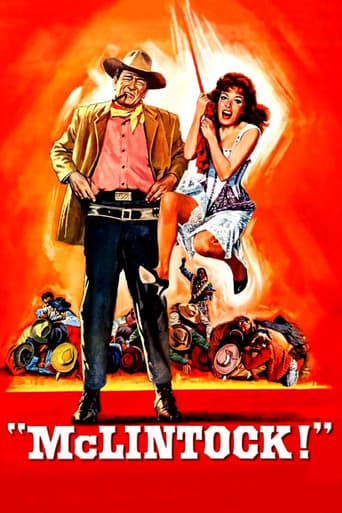
Theodore Childs 'Chill' Wills — beloved American character actor whose distinctive voice and memorable presence made him a fixture in Hollywood westerns and dramas for over four decades. Born in Texas in 1902, Wills began his entertainment career as a singer with the Avalon Boys quartet, performing in vaudeville and even appearing with the group in the Marx Brothers film 'A Day at the Races' (1937). His transition to acting came naturally, and he quickly found his niche playing sidekicks, comic relief characters, and authoritative figures, often with a folksy, down-to-earth charm. Wills reached the pinnacle of his career with his powerful performance as Beekeeper in John Wayne's 'The Alamo' (1960), earning him an Academy Award nomination for Best Supporting Actor. Throughout the 1960s, he continued to deliver memorable performances in films like 'The Deadly Companions' (1961) alongside Maureen O'Hara and 'McLintock!' (1963) reuniting with John Wayne. His career extended into television, where he lent his distinctive voice to numerous shows and commercials. Wills remained active in film and television until his death in 1978, leaving behind a legacy of over 150 film and television appearances that showcased his remarkable versatility and enduring appeal.
The Craft
On Screen
Chill Wills was known for his distinctive, gravelly voice and natural, folksy acting style that brought authenticity to every role. He had a remarkable ability to seamlessly transition between comic relief and dramatic moments, often playing the loyal sidekick or wise old-timer with a twinkle in his eye. His Texas roots gave him an inherent credibility in western roles, and he never needed to fake the authenticity that audiences loved. Wills possessed a unique talent for delivering lines with perfect timing, whether delivering witty banter or poignant dialogue, making his characters instantly memorable and endearing to audiences.
Milestones
- Academy Award nomination for Best Supporting Actor for 'The Alamo' (1960)
- Member of the Avalon Boys singing quartet in the 1930s
- Over 150 film and television appearances throughout his career
- Iconic voice work in Disney's 'The Aristocats' (1970)
- Regular collaborator with John Wayne in multiple western films
Best Known For
Iconic Roles
Must-See Films
Accolades
Won
- Golden Boot Award (1976)
- Western Heritage Award for 'The Alamo' (1960)
Nominated
- Academy Award nomination for Best Supporting Actor for 'The Alamo' (1960)
- Golden Globe nomination for Best Supporting Actor for 'The Alamo' (1960)
Special Recognition
- Hollywood Walk of Fame star at 1625 Vine Street
- Hall of Great Western Performers at the National Cowboy & Western Heritage Museum (1972)
- Texas Film Hall of Fame inductee
Working Relationships
Worked Often With
Studios
Why They Matter
Impact on Culture
Chill Wills left an indelible mark on American cinema, particularly in the western genre where he helped define the archetype of the loyal sidekick and wise old-timer. His distinctive voice became instantly recognizable to generations of moviegoers, and his performances added depth and humanity to countless films. Wills represented the authentic spirit of the American West, bringing genuine Texas charm to his roles that resonated with audiences worldwide. His work helped bridge the gap between the classic Hollywood era and the more revisionist westerns of the 1960s and 70s, maintaining continuity while adapting to changing cinematic styles.
Lasting Legacy
Chill Wills' legacy endures through his extensive body of work that continues to be celebrated by western film enthusiasts and classic cinema lovers. His performances in iconic films like 'The Alamo' and 'Giant' remain benchmarks for character acting in Hollywood westerns. The Hollywood Walk of Fame star and his induction into the Hall of Great Western Performers ensure his contributions to cinema are permanently recognized. Future generations of actors continue to study his naturalistic style and ability to create memorable characters with limited screen time, proving that true talent transcends the boundaries of leading and supporting roles.
Who They Inspired
Wills influenced countless character actors who followed, demonstrating that supporting roles could be just as impactful as leading performances. His success showed that authenticity and regional identity could be assets rather than obstacles in Hollywood. Many actors, particularly those specializing in westerns and character roles, have cited Wills as an inspiration for his ability to bring depth and personality to every part he played. His distinctive voice work also paved the way for future character actors to leverage their unique vocal qualities as a signature element of their performances.
Off Screen
Chill Wills was married twice and had three children. He maintained strong ties to his Texas roots throughout his life, often returning to his home state. Wills was known for his generosity and willingness to help fellow actors in the industry. Despite his success in Hollywood, he remained humble and approachable, endearing him to both colleagues and fans. His later years were marked by continued work in film and television until his death from cancer in 1978 at the age of 76.
Education
Attended public schools in Seagoville, Texas; no formal higher education recorded
Family
- Hattie Elizabeth Wills (1925-1948)
- Novellen Townley Wills (1949-1978)
Did You Know?
- His nickname 'Chill' came from his birth name Theodore Childs Wills, with 'Childs' shortened to 'Chill'
- He was a member of the singing group The Avalon Boys before becoming an actor
- His Oscar campaign for 'The Alamo' was controversial for being too aggressive, even taking out ads in trade papers
- He was a skilled horseman and performed many of his own stunts in western films
- Wills appeared in over 150 films and television shows during his career
- He was good friends with John Wayne and appeared in seven films with him
- His distinctive voice was used in numerous commercials, including for Southern Comfort whiskey
- He was a founding member of the Hollywood Western Museum
- Despite his success, he never forgot his Texas roots and maintained a ranch there
- He was posthumously awarded the Golden Boot Award for his contributions to western films
In Their Own Words
I've been in so many westerns, I've been shot by the best of them.
Acting is easy. The hard part is getting people to pay you for it.
I never had to learn to be a Texan. I was born one.
In Hollywood, you're only as good as your last picture, unless you're John Wayne.
I've played everything from a preacher to a rustler, but I've never played a liar in real life.
Frequently Asked Questions
Who was Chill Wills?
Prolific American character With a career spanning over four decades, he appeared in more than 150 films and television shows, often playing sidekicks, comic relief characters, and authoritative figures with his signature folksy charm.
What films is Chill Wills best known for?
Titles linked here include The Alamo (1960), Giant (1956).
When was Chill Wills born and when did he die?
Born July 18, 1902; died December 15, 1978.
What awards did Chill Wills win?
Chill Wills received an Academy Award nomination for Best Supporting Actor for 'The Alamo' (1960) and won the Golden Boot Award in 1976. He was also inducted into the Hall of Great Western Performers and received a star on the Hollywood Walk of Fame.
What was Chill Wills' acting style?
Chill Wills was known for his natural, folksy acting style characterized by his distinctive gravelly voice and authentic Texas charm. He excelled at seamlessly transitioning between comedy and drama, bringing depth and humanity to supporting roles while maintaining a consistent, believable presence that resonated particularly well in western films.
How did Chill Wills get his nickname?
Chill Wills got his nickname from his birth name Theodore Childs Wills, with 'Childs' being shortened to 'Chill'. The nickname stuck throughout his career and became his professional name in Hollywood.
What was Chill Wills' career before acting?
Before becoming an actor, Chill Wills — professional singer and member of the Avalon Boys quartet. The group performed in vaudeville and even appeared in films, including the Marx Brothers' 'A Day at the Races' (1937), which helped launch his transition into acting.