
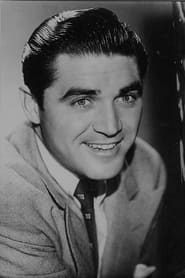
Steve Cochran
Actor
Born: May 31, 1917 in Eureka, California, USA Died: June 15, 1965 Active: 1945-1965 Birth Name: Robert Alexander Cochran
Films
3 films
About Steve Cochran
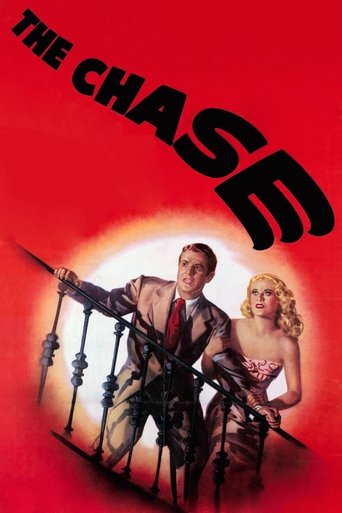
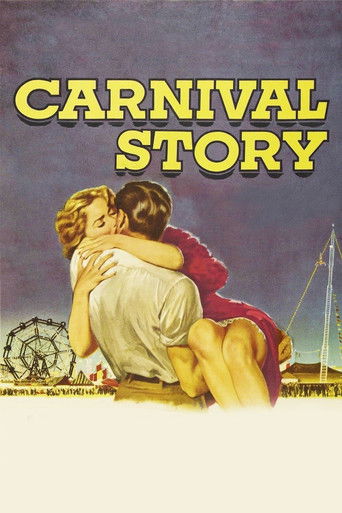
Steve Cochran is credited on a single production — The Chase (1946). Born Robert Alexander Cochran, he began his career on Broadway before being discovered by Hollywood talent scouts. He signed with Warner Bros. In the mid-1940s and quickly established himself as a reliable character actor, often playing brooding, rebellious characters with underlying vulnerability. Cochran's breakthrough came with his role in 'The Chase' (1946), which showcased his intense screen presence and led to more substantial roles. Throughout the 1950s, he appeared in numerous notable films including 'Carnival Story' (1954) and 'The Best Things in Life Are Free' (1956). His career was marked by a reputation for being difficult on set, which some believe limited his potential for leading man status. Cochran's life was cut short in 1965 when he died under mysterious circumstances in Guatemala at age 48, leaving behind a legacy of compelling performances that continue to be appreciated by film noir enthusiasts.
The Craft
On Screen
Cochran was known for his intense, brooding screen presence and naturalistic acting style. He specialized in playing rebellious, anti-hero characters with a dangerous edge, often bringing a sense of vulnerability beneath his tough exterior. His performances were marked by a subtle, understated approach that made his characters feel authentic and relatable despite their often criminal or morally ambiguous nature.
Milestones
- Broadway debut in 'Lady in the Dark' (1943)
- Film debut in 'The Chase' (1946)
- Leading role in 'Carnival Story' (1954)
- Starred in 'The Best Things in Life Are Free' (1956)
- Final film 'The Deadly Companions' (1961)
Best Known For
Iconic Roles
Must-See Films
Accolades
Special Recognition
- Hollywood Walk of Fame star (located at 1712 Vine Street)
Working Relationships
Worked Often With
Studios
Why They Matter
Impact on Culture
Steve Cochran made a significant impact on the film noir genre, helping to define the archetype of the conflicted, dangerous anti-hero that became central to noir cinema. His performances influenced subsequent generations of actors playing similar roles in crime and noir films. Cochran's naturalistic acting style contributed to the evolution of Hollywood acting from theatrical to more realistic methods. His untimely and mysterious death added to his mystique, cementing his status as a tragic Hollywood figure in cinema history.
Lasting Legacy
Steve Cochran's legacy endures through his memorable performances in classic film noir and his contribution to defining the tough-guy archetype in Hollywood cinema. Despite never achieving A-list stardom, his work continues to be studied and appreciated by film scholars and noir enthusiasts. His performances in films like 'The Chase' and 'Carnival Story' are considered exemplary of the noir genre's best work. Cochran's life story, marked by talent, controversy, and tragedy, has become part of Hollywood lore, often cited as an example of the darker side of Golden Age stardom.
Who They Inspired
Cochran's naturalistic approach to playing tough characters influenced later actors in the film noir and crime genres, including actors like Robert Ryan and Richard Widmark. His ability to convey vulnerability beneath a tough exterior became a template for future noir protagonists. Directors who worked with him noted his instinctive understanding of character motivation, which influenced their approaches to directing other actors in similar roles.
Off Screen
Steve Cochran had a tumultuous personal life marked by multiple marriages and numerous affairs with Hollywood starlets. He was known for his womanizing behavior and difficult temperament on film sets, which often created conflicts with directors and co-stars. His relationships were highly publicized in Hollywood gossip columns, contributing to his reputation as a Hollywood bad boy. Cochran was also an accomplished pilot and owned several aircraft, which he used frequently for personal travel.
Education
University of Wyoming (attended), University of California, Los Angeles (attended)
Family
- Florence Lockwood (1945-1946)
- Faye McKenzie (1946-1948)
- Ann Miller (1960-1961)
Did You Know?
- Was discovered by a talent scout while performing in a Broadway production
- His real name was Robert Alexander Cochran but changed it for Hollywood
- Was an accomplished pilot and owned several aircraft
- Died under mysterious circumstances in Guatemala, officially from a lung infection but rumors persist
- Was briefly married to dancer Ann Miller
- Had a reputation for being difficult on set, which some believe limited his career
- Served in the Army Air Corps during World War II
- Was considered for the role of Stanley Kowalski in 'A Streetcar Named Desire' before Marlon Brando was cast
- His Hollywood Walk of Fame star is located at 1712 Vine Street
- Was a close friend of actor Robert Mitchum
In Their Own Words
"I don't play heroes. I play men." - Cochran on his acting philosophy
"Hollywood is a place where they'll pay you a thousand dollars for a kiss and fifty cents for your soul." - On the film industry
"I'd rather be a good character actor than a bad leading man." - On his career choices
Frequently Asked Questions
Who was Steve Cochran?
American with credits in this catalog. He specialized in playing brooding, rebellious characters and appeared in notable films like 'The Chase' and 'Carnival Story' from the mid-1940s to early 1960s.
What films is Steve Cochran best known for?
Titles linked here include The Chase (1946), Carnival Story (1954).
When was Steve Cochran born and when did he die?
Born May 31, 1917; died June 15, 1965.
What awards did Steve Cochran win?
While Steve Cochran did not win major acting awards during his lifetime, he was honored with a star on the Hollywood Walk of Fame located at 1712 Vine Street, recognizing his contributions to the film industry.
What was Steve Cochran's acting style?
Cochran was known for his intense, naturalistic acting style, specializing in tough-guy roles with underlying vulnerability. He brought a subtle, understated approach to his characters, making them feel authentic despite their often criminal or morally ambiguous nature.
Was Steve Cochran married?
Yes, Steve Cochran was married three times: to Florence Lockwood (1945-1946), Faye McKenzie (1946-1948), and briefly to actress Ann Miller in 1960-1961. He also had one daughter named Xandra.
How did Steve Cochran die?
Steve Cochran died on June 15, 1965, in Guatemala from what was officially recorded as a lung infection. However, the mysterious circumstances surrounding his death have led to persistent rumors and speculation about other possible causes.