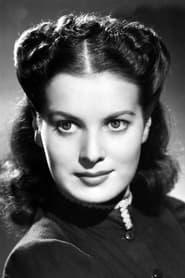
Maureen O'Hara
Actor
Born: August 17, 1920 in Ranelagh, Dublin, Ireland Died: October 24, 2015 Active: 1938-2000 Birth Name: Maureen FitzSimons
Films
3 films

About Maureen O'Hara
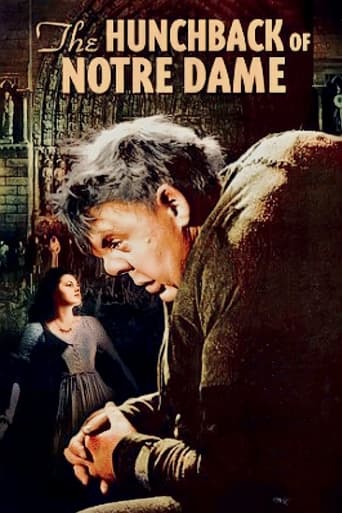
Maureen O'Hara, born Maureen FitzSimons, was an Irish actress whose over six decades in Hollywood's Golden Age. Discovered by actor Charles Laughton, she made her film debut in Alfred Hitchcock's 'Jamaica Inn' (1939) before moving to America. Her breakthrough role came as Esmeralda in 'The Hunchback of Notre Dame' (1939), which established her as a major star. O'Hara became famous for her fiery red hair, green eyes, and strong-willed characters, often playing opposite leading men like John Wayne, with whom she shared remarkable on-screen chemistry. She worked extensively with director John Ford in films such as 'How Green Was My Valley' (1941) and 'The Quiet Man' (1952), which became one of her most beloved roles. Beyond her acting career, she was also a talented singer and published an autobiography in 2004. She received an Honorary Academy Award in 2014, recognizing her lifetime of contributions to cinema, and was affectionately known as 'The Queen of Technicolor' for her stunning appearance in color films.
The Craft
On Screen
Known for her fiery, passionate performances and commanding screen presence, O'Hara specialized in playing strong-willed, independent women who could hold their own against any leading man. Her acting combined classical training with natural emotional authenticity, often bringing depth to seemingly straightforward romantic roles. She had a remarkable ability to convey both vulnerability and strength, making her characters complex and relatable.
Milestones
- Film debut in 'Jamaica Inn' (1939)
- Starred in 'The Hunchback of Notre Dame' (1939)
- Acclaimed performance in 'How Green Was My Valley' (1941)
- Iconic role in 'Miracle on 34th Street' (1947)
- Legendary partnership with John Wayne in 'The Quiet Man' (1952)
- Received Honorary Academy Award (2014)
Best Known For
Iconic Roles
Must-See Films
Accolades
Won
- Honorary Academy Award (2014)
- Golden Boot Award (1990)
- Irish Film & Television Academy Lifetime Achievement Award (2004)
Nominated
- Golden Globe nomination for Best Actress for 'Miracle on 34th Street' (1948)
Special Recognition
- Hollywood Walk of Fame Star (1960)
- American Cinema Foundation Award for Artistic Excellence (1991)
- Women in Film Crystal Award (1993)
- Ireland's Film Institute Lifetime Achievement Award (1991)
Working Relationships
Worked Often With
Studios
Why They Matter
Impact on Culture
Maureen O'Hara revolutionized the portrayal of women in classic Hollywood cinema by consistently playing strong, independent characters who refused to be relegated to passive roles. Her Irish heritage brought authentic cultural representation to American screens at a time when ethnic diversity was rare in leading roles. As 'The Queen of Technicolor,' her vibrant red hair and complexion helped demonstrate the artistic potential of color cinematography, influencing how studios approached casting for color films. Her partnership with John Wayne created one of cinema's most memorable on-screen dynamics, challenging traditional gender roles while maintaining romantic chemistry. O'Hara's career longevity and continued relevance helped pave the way for actresses to maintain commercial viability beyond their youth.
Lasting Legacy
Maureen O'Hara's legacy endures through her iconic film performances that continue to captivate audiences worldwide, particularly during holiday seasons with 'Miracle on 34th Street.' She broke barriers for Irish actors in Hollywood and demonstrated that actresses could maintain successful careers well into middle age by playing complex, mature characters. Her honorary Academy Award in 2014 cemented her status as one of cinema's most beloved stars. The preservation and continued celebration of her films, especially those with John Ford and John Wayne, ensure her place in film history. Her autobiography and numerous interviews have provided valuable insights into Hollywood's Golden Age, making her an important historical figure beyond her performances.
Who They Inspired
O'Hara influenced generations of actresses by demonstrating that strength and femininity could coexist on screen, inspiring performers like Meryl Streep, who cited her as an influence. Her work ethic and professionalism set standards in the industry, while her willingness to fight for better roles and pay helped advance opportunities for women in Hollywood. Her successful transition from dramatic roles to family entertainment showed versatility that many later actresses would emulate. The romantic chemistry she developed with leading men, particularly John Wayne, created a template for on-screen partnerships that directors still reference today.
Off Screen
Maureen O'Hara led a colorful personal life marked by three marriages and a strong connection to her Irish heritage. She married British film director William Houston Price in 1944, with whom she had her only child, Bronwyn. After their divorce in 1953, she married Charles F. Blair Jr., a aviator, in 1968. Blair died in a plane crash in 1978, and O'Hara later managed his aviation business. She spent her later years dividing time between Ireland and the United States, remaining active in charitable causes and occasionally appearing in films until her final retirement.
Education
Attended the Abbey Theatre School in Dublin, trained in drama, music, and dance from age 10
Family
- William Houston Price (1944-1953)
- Charles F. Blair Jr. (1968-1978)
Did You Know?
- Was originally discovered by Charles Laughton while performing at Dublin's Abbey Theatre
- Changed her name from FitzSimons to O'Hara because Laughton couldn't pronounce FitzSimons
- Was a natural redhead whose hair color became her trademark in Technicolor films
- Spoke fluent Irish Gaelic and often incorporated it into her personal life
- Turned down the role of Blanche DuBois in 'A Streetcar Named Desire' (1951)
- Was a licensed pilot and flew planes with her second husband Charles Blair
- Owned and operated an airline company (Antilles Air Boats) after her husband's death
- Was one of the last surviving stars from Hollywood's Golden Age
- Published her autobiography
- Tis Herself" in 2004", "Received her Honorary Academy Award at age 94, making her one of the oldest recipients"], "famousQuotes": ["I
- m a very strong Irish woman and I can stand up for myself.
- I never lost my common sense, even when I was a big star.
- John Wayne was a wonderful man. He was a gentle man. He was a gentleman.
- I'm proud of my Irish heritage. I'm proud of being an Irishwoman in Hollywood.
- I was never a sex symbol. If people wanted to see me as a sex symbol, that was their problem, not mine.
Frequently Asked Questions
Who was Maureen O'Hara?
Legendary Irish actress known as 'The Queen of Technicolor' who starred in classic Hollywood films from the 1930s through the 1960s. She was famous for her fiery red hair, strong-willed characters, and memorable partnerships with John Wayne and director John Ford.
What films is Maureen O'Hara best known for?
Titles linked here include The Quiet Man (1952), Miracle on 34th Street (1947).
When was Maureen O'Hara born and when did she die?
Born August 17, 1920; died October 24, 2015.
What awards did Maureen O'Hara win?
She received an Honorary Academy Award in 2014 for her lifetime achievements in cinema. She also won the Golden Boot Award, Irish Film & Television Academy Lifetime Achievement Award, and has a star on the Hollywood Walk of Fame.
What was Maureen O'Hara's acting style?
O'Hara was known for her passionate, fiery performances and commanding screen presence. She specialized in playing strong, independent women who could match any leading man, combining classical training with natural emotional authenticity and remarkable chemistry with co-stars.
How many times did Maureen O'Hara work with John Wayne?
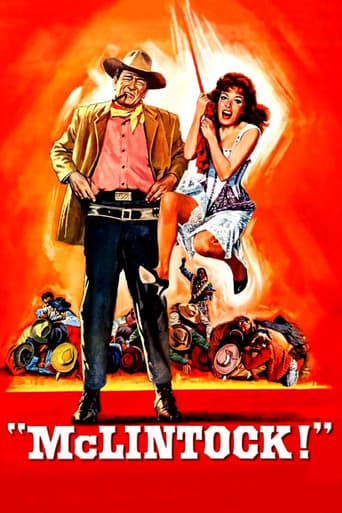
Maureen O'Hara and John Wayne made five films together: 'Rio Grande' (1950), 'The Quiet Man' (1952), 'The Wings of Eagles' (1957), 'McLintock!' (1963), and 'Big Jake' (1971). Their on-screen chemistry became legendary in Hollywood.
Did Maureen O'Hara have any children?
Yes, she had one daughter, Bronwyn FitzSimons Price, born in 1944 from her first marriage to William Houston Price. Bronwyn became a psychologist and author.
What was Maureen O'Hara's connection to Ireland?
Born and raised in Dublin, O'Hara maintained strong ties to Ireland throughout her life. She was proud of her Irish heritage, spoke fluent Irish Gaelic, and received numerous honors from her home country including the Irish Film & Television Academy Lifetime Achievement Award.