Stuart Erwin
Actor
Born: February 14, 1903 in Sacramento, California, USA Died: December 21, 1967 Active: 1929-1967 Birth Name: Stuart Phillip Erwin
Films
6 films
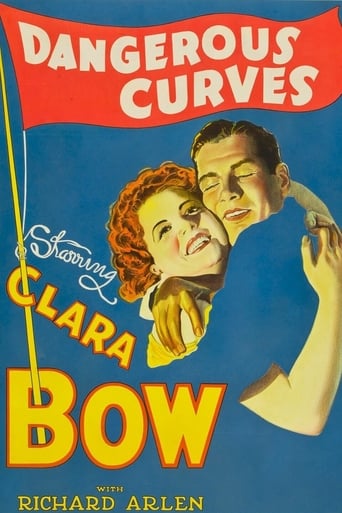
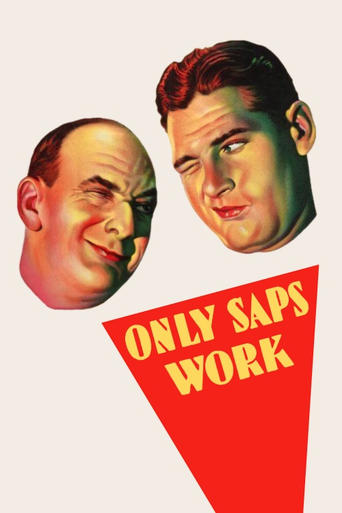
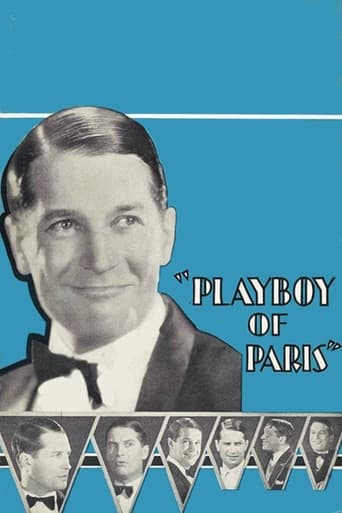
About Stuart Erwin
Beloved American character actor: nearly four decades, beginning in the early sound era of Hollywood. Born in Sacramento, California, Erwin began his film career in 1929 during the transition from silent films to talkies, quickly establishing himself as a reliable comic actor and everyman character. His breakthrough came with his Academy Award-nominated performance in 'Pigskin Parade' (1936), where he played a bumbling but good-hearted football coach. Throughout the 1930s and 1940s, Erwin appeared in over 100 films, working with major studios including Paramount, RKO, and MGM, often playing the affable, slightly befuddled protagonist or comic relief. His performance as George Gibbs in the film adaptation of Thornton Wilder's 'Our Town' (1940) showcased his ability to handle more dramatic material. In the 1950s, Erwin successfully transitioned to television, starring in his own sitcom 'The Stu Erwin Show' (1950-1955), where he played a high school principal, a role that perfectly suited his warm, paternal persona. Erwin continued working in film and television until his death in 1967, leaving behind a legacy as one of Hollywood's most dependable and beloved character actors.
The Craft
On Screen
Erwin was known for his natural, understated comedic style, often playing the affable everyman or slightly bewildered but good-hearted character. His approach was subtle and relatable, avoiding broad slapstick in favor of gentle humor and genuine warmth. He had a particular talent for portraying ordinary people in extraordinary situations, making his characters feel authentic and endearing to audiences.
Milestones
- Academy Award nomination for Best Actor for 'Pigskin Parade' (1936)
- Starred in successful TV sitcom 'The Stu Erwin Show' (1950-1955)
- Appeared in Frank Capra's 'You Can't Take It With You' (1938)
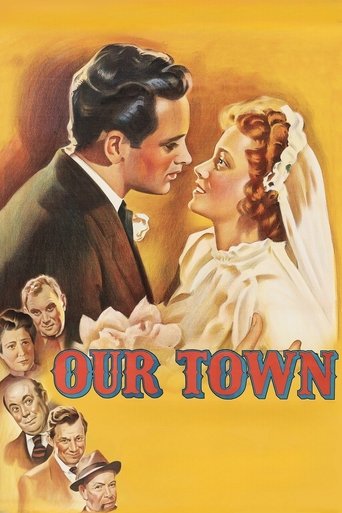
- Played George Gibbs in film adaptation of 'Our Town' (1940)
- Transitioned successfully from silent era to talkies
- Appeared in over 100 films during his career
Best Known For
Iconic Roles
Must-See Films
Accolades
Won
- Academy Award nomination for Best Actor for 'Pigskin Parade' (1936)
Nominated
- Academy Award nomination for Best Actor (1936)
Special Recognition
- Hollywood Walk of Fame star (located at 6220 Hollywood Boulevard)
Working Relationships
Worked Often With
Studios
Why They Matter
Impact on Culture
Stuart Erwin represented the quintessential American everyman during Hollywood's Golden Age, embodying the values of decency, humility, and ordinary heroism that resonated with audiences during the Great Depression and World War II eras. His successful transition from film to television helped bridge the gap between old Hollywood and the new medium of television, demonstrating that classic film actors could find success in the emerging entertainment landscape. His portrayal of relatable, working-class characters helped democratize Hollywood storytelling, making cinema more accessible to average Americans.
Lasting Legacy
Stuart Erwin's legacy endures through his extensive body of work that captures the essence of American character acting during Hollywood's Golden Age. His Academy Award-nominated performance in 'Pigskin Parade' remains proof of his talent, while his television success paved the way for future character actors to transition between mediums. Film historians often cite Erwin as an example of the reliable, versatile supporting actors who formed the backbone of Hollywood's studio system, bringing depth and authenticity to countless productions.
Who They Inspired
Erwin influenced generations of character actors through his naturalistic approach to comedy and his ability to find humanity in every role. His success in television demonstrated that film actors could successfully adapt to the new medium, inspiring many of his contemporaries to make similar transitions. His portrayal of the American everyman set a template for future actors in both film and television who sought to represent ordinary people with dignity and humor.
Off Screen
Stuart Erwin married actress June Collyer in 1931, and their marriage lasted until his death in 1967. The couple had two children, Stuart Erwin Jr., who also became an actor, and Judy Erwin. Erwin was known for his down-to-earth personality and was well-liked by colleagues in Hollywood. Despite his success, he maintained a relatively private personal life and was devoted to his family.
Education
Attended Sacramento High School, later studied drama at the University of California
Family
- June Collyer (1931-1967)
Did You Know?
- Was one of the first actors to successfully transition from silent films to talkies
- His Academy Award nomination for 'Pigskin Parade' was unusual as it was for a musical comedy
- Hosted his own radio show in the 1940s before moving to television
- Was a close friend of fellow actor James Stewart
- Often played characters named 'Stu' or variations of his own name
- Served in the US Army during World War II, entertaining troops
- Was an accomplished amateur golfer
- His wife June Collyer retired from acting to support his career
- Made his Broadway debut in 1928 before moving to Hollywood
- Was known for never turning down a role, regardless of size
In Their Own Words
I've never been a star, just a working actor. And I've been working for a long time.
Comedy isn't about being funny, it's about being real. People laugh at truth.
In every small role, there's a big opportunity if you look for it.
Television didn't kill movies, it just gave us another stage to play on.
Frequently Asked Questions
Who was Stuart Erwin?
American character with credits in this catalog. He received an Academy Award nomination for 'Pigskin Parade' (1936) and later starred in his own television sitcom 'The Stu Erwin Show'.
What films is Stuart Erwin best known for?
Titles linked here include Our Town (1940), Pigskin Parade (1936).
When was Stuart Erwin born and when did he die?
Born February 14, 1903; died December 21, 1967.
What awards did Stuart Erwin win?
Stuart Erwin received an Academy Award nomination for Best Actor for his performance in 'Pigskin Parade' (1936). He also received a star on the Hollywood Walk of Fame for his contributions to the entertainment industry.
What was Stuart Erwin's acting style?
Erwin was known for his natural, understated comedic style, often playing the affable everyman with warmth and authenticity. He avoided broad slapstick in favor of gentle humor and genuine relatability, making his characters feel like ordinary people in extraordinary situations.
Did Stuart Erwin have a family in show business?
Yes, Erwin married actress June Collyer in 1931, and they remained married until his death. They had two children: Stuart Erwin Jr., who also became an actor, and Judy Erwin.
How did Stuart Erwin transition from film to television?
Erwin successfully transitioned to television in the 1950s with 'The Stu Erwin Show' (1950-1955), where he played a high school principal. The show was popular and ran for five seasons, demonstrating his adaptability to the new medium and helping pave the way for other film actors to move to television.