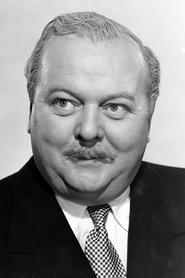
Lloyd Corrigan
Actor & Director
Born: October 16, 1900 in San Francisco, California, USA Died: November 5, 1969 Active: 1925-1967 Birth Name: Lloyd Francis Corrigan
Films
5 films
About Lloyd Corrigan
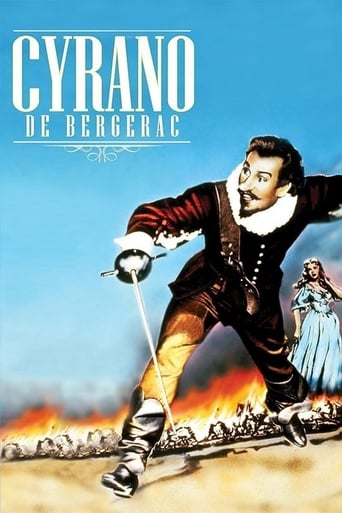
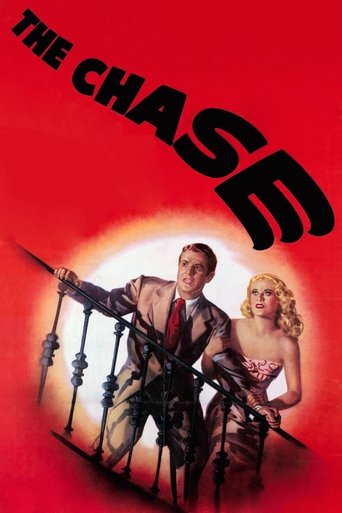
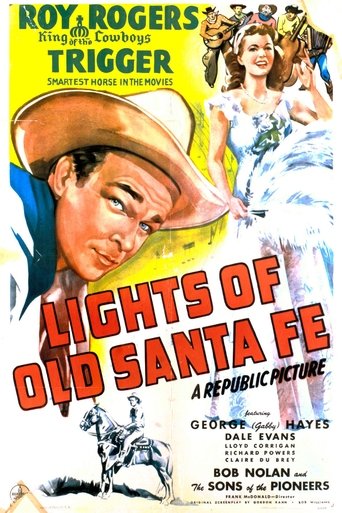
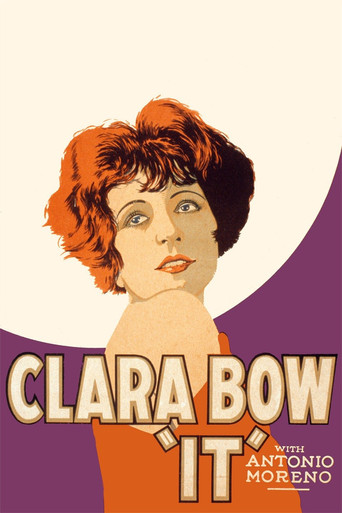
Lloyd Francis Corrigan — American character actor, director, and producer whose four decades of Hollywood cinema. Born in San Francisco in 1900, he began his film career during the silent era and successfully transitioned to talkies, demonstrating remarkable adaptability to changing film technologies. Corrigan appeared in the landmark silent film 'It' (1927) starring Clara Bow, establishing himself early in his career as a reliable supporting actor. Throughout the 1930s and 1940s, he became a familiar face in Hollywood productions, particularly excelling in Western films like 'Lights of Old Santa Fe' (1944) where he often portrayed authority figures such as judges, mayors, and officials. His versatility allowed him to work across genres, from dramatic roles in films like 'The Chase' (1946) to literary adaptations such as 'Cyrano de Bergerac' (1950). In addition to his acting work, Corrigan also directed and produced several films during the 1930s, showcasing his multifaceted talents in the film industry. His career extended into the television era, making him one of the enduring character actors who bridged the gap between classic Hollywood and modern media.
The Craft
On Screen
Corrigan was known for his versatility and adaptability as an actor, capable of playing both comedic and dramatic roles with equal skill. His performances were characterized by his distinctive voice and expressive features, which served him well in both silent and sound films. He had a particular talent for portraying authority figures, bringing a commanding presence to roles as judges, mayors, and other officials. In comedic roles, he displayed excellent timing and a natural ability to deliver lines effectively, while in dramatic parts he brought depth and authenticity to his characters.
Behind the Camera
While primarily known as an actor, Corrigan's directing work in the 1930s showed a practical, efficient approach to filmmaking typical of studio-era directors who understood the importance of staying on schedule and budget. His films demonstrated a solid grasp of narrative pacing and an ability to work effectively with actors, likely informed by his own experience in front of the camera.
Milestones
- Appeared in the classic silent film 'It' (1927) with Clara Bow
- Successfully transitioned from silent films to talkies
- Directed and produced several films in the 1930s
- Became a familiar character actor in Western films during the 1940s
- Appeared in over 200 films throughout his career
- Transitioned to television work in the 1950s and 1960s
- Worked with major Hollywood studios as a reliable supporting actor
Best Known For
Iconic Roles
Must-See Films
Working Relationships
Worked Often With
Studios
Why They Matter
Impact on Culture
Lloyd Corrigan contributed significantly to the fabric of Hollywood cinema through his extensive work as a character actor. His ability to adapt to changing film technologies and genres made him a valuable asset to the industry during its most transformative decades. Corrigan's performances in Western films helped establish some of the archetypal supporting characters that would define the genre, while his work in early sound films demonstrated the importance of skilled character actors in the transition from silent cinema. His career longevity, spanning from the silent era through the golden age of Hollywood and into early television, represents the adaptability required of actors during this period of rapid technological and cultural change in entertainment.
Lasting Legacy
Corrigan's legacy lies in his substantial body of work and his contribution to classic Hollywood cinema as a reliable character actor. Though never a leading man, he appeared in hundreds of films, providing essential support to stars and helping to create believable cinematic worlds. His career serves as an example of the journeyman actor who, through talent, versatility, and professionalism, built a lasting career in Hollywood without achieving stardom. The breadth of his work across genres and decades makes him a representative figure of the studio system era, where character actors were the backbone of film production.
Who They Inspired
As a prolific character actor, Corrigan influenced the development of supporting roles in Hollywood films by demonstrating the importance of skilled performers in creating depth and authenticity in secondary characters. His versatility showed studios and directors the value of actors who could move between genres and adapt to different types of roles. His successful transition from silent films to talkies and eventually to television provided a model for other actors navigating the rapidly changing entertainment landscape of the mid-20th century.
Off Screen
Lloyd Corrigan maintained a relatively private personal life away from the Hollywood spotlight despite his long and prolific career. He was married twice during his lifetime but managed to keep his personal affairs out of the tabloids, which was somewhat unusual for Hollywood figures of his era. Corrigan was known as a reliable professional on set, earning the respect of his colleagues and directors throughout his decades in the industry.
Family
- Unknown (first marriage)
- Unknown (second marriage)
Did You Know?
- Born in San Francisco in 1900, making him part of the first generation of American film actors
- Successfully transitioned from silent films to talkies, a challenge many actors of his era couldn't overcome
- Worked as both director and producer in addition to his acting career, demonstrating his multifaceted talents
- Appeared in over 200 films during his career, making him
- Often played authority figures, particularly in Western films where he was typecast as judges and mayors
- His distinctive voice made him valuable in both films and radio work during the 1930s and 1940s
- Continued working well into his 60s, appearing in films and television shows until shortly before his death
- His active years covered four decades of Hollywood history, from the silent era through the transition to television
- Was known for his professionalism and reliability, qualities that made him a favorite among directors and producers
Frequently Asked Questions
Who was Lloyd Corrigan?
American character actor, on YTB.my. He appeared in over 200 films and was known for his versatility, often playing authority figures in Western films and supporting roles across various genres.
What films is Lloyd Corrigan best known for?
Titles linked here include It (1927), Lights of Old Santa Fe (1944).
When was Lloyd Corrigan born and when did he die?
Born October 16, 1900; died November 5, 1969.
What awards did Lloyd Corrigan win?
While Lloyd Corrigan — respected and prolific character actor, he did not receive major awards such as Academy Awards. His recognition came from the respect of his peers and the steady demand for his performances throughout his long career.
What was Lloyd Corrigan's acting style?
Corrigan was known for his versatility and adaptability, capable of playing both comedic and dramatic roles with equal skill. He had a distinctive voice and expressive features that served him well across genres, with particular talent for portraying authority figures with commanding presence.