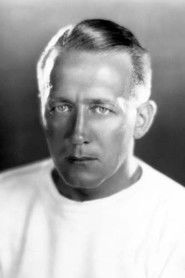
Edmund Goulding
Director
Born: September 20, 1891 in Feltham, Middlesex, England Died: December 24, 1959 Active: 1919-1959
Films
2 films
About Edmund Goulding
British-born film director, screenwriter, and composer who became one of Hollywood's most respected filmmakers during the Golden Age of cinema. Beginning his career in the British film industry, he transitioned to Hollywood in the 1920s where he quickly established himself as a versatile director capable of handling various genres with remarkable sophistication. Goulding was renowned for his ability to draw powerful performances from actors, particularly in dramatic and romantic films, working with the biggest stars of his era including Greta Garbo, Bette Davis, and Tyrone Power. His three decades during which he directed over 40 films and wrote numerous screenplays, with his 1932 film 'Grand Hotel' winning the Academy Award for Best Picture. Despite his success, Goulding remained somewhat of an enigma in Hollywood, preferring to let his work speak for itself rather than seeking the spotlight. He was particularly adept at adapting literary works to the screen, bringing a literary sensibility to his filmmaking that elevated popular entertainment. His final years were marked by declining health, though he continued working until his death in 1959, leaving behind a legacy of sophisticated, emotionally resonant cinema.
The Craft
Behind the Camera
Goulding was known for his sophisticated, elegant visual style and his ability to create emotionally resonant dramas with psychological depth. He excelled at handling ensemble casts and was particularly skilled at drawing nuanced performances from actors, especially in romantic and melodramatic material. His films often featured complex character studies and explored themes of love, loss, and redemption with remarkable subtlety and intelligence. Goulding's direction was characterized by its smooth pacing, careful composition, and ability to balance multiple storylines within a single narrative framework.
Milestones
- Directed 'Grand Hotel' (1932) which won Best Picture Oscar
- Directed 'Dark Victory' (1939) starring Bette Davis
- Directed 'The Razor's Edge' (1946) earning Oscar nomination
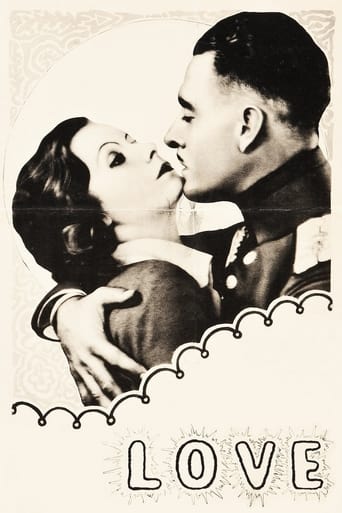
- Wrote and directed 'Love' (1927) starring Greta Garbo
- Directed 'Nightmare Alley' (1947) film noir classic
- Directed 'The Great Lie' (1941) winning Oscar for screenplay
Best Known For
Must-See Films
Accolades
Won
- Academy Award for Best Writing (Original Story) for The Great Lie (1941)
Nominated
- Academy Award for Best Director for The Razor's Edge (1946)
- Academy Award for Best Director for Grand Hotel (1932)
Special Recognition
- Hollywood Walk of Fame star at 6425 Hollywood Boulevard
Working Relationships
Worked Often With
Studios
Why They Matter
Impact on Culture
Edmund Goulding's films helped define the Hollywood melodrama and elevated the genre with their psychological sophistication and emotional depth, bringing literary quality to popular cinema. His work with major stars helped create some of the most iconic performances of the Golden Age, particularly Bette Davis's Oscar-nominated role in 'Dark Victory' and Greta Garbo's work in 'Love.' Goulding's adaptation of literary works demonstrated how classic literature could be successfully translated to cinema without losing its complexity or emotional resonance. His films often explored complex moral and psychological themes that were ahead of their time, particularly in their treatment of human relationships and personal redemption. Goulding's success in both silent and sound films made him one of the few directors who successfully navigated the transition between these two eras of cinema.
Lasting Legacy
Edmund Goulding is remembered as one of Hollywood's most reliable and versatile directors during its golden era, known for bringing intelligence and sophistication to popular entertainment. His films continue to be studied for their technical craftsmanship and emotional intelligence, with works like 'Grand Hotel' and 'Nightmare Alley' regarded as classics of their respective genres. While he may not be as well-known as some of his contemporaries like Hitchcock or Ford, his body of work represents some of the finest examples of classical Hollywood filmmaking. Goulding's ability to work successfully across different genres - from romantic dramas to film noir - demonstrated his versatility as a filmmaker. His influence can be seen in later directors who sought to combine commercial appeal with artistic sophistication.
Who They Inspired
Goulding's approach to character development and his ability to handle ensemble casts influenced subsequent generations of filmmakers, particularly in the realm of dramatic cinema. His success in adapting literary works showed the possibilities of bringing sophisticated storytelling to popular cinema without alienating mass audiences. Many directors who followed studied his techniques for balancing multiple storylines and creating emotionally resonant narratives. His work with actors demonstrated how directors could elicit powerful performances while maintaining artistic control over the final product. Goulding's films served as models for how to tackle complex themes within the studio system, influencing both his contemporaries and future filmmakers.
Off Screen
Goulding was known as an intensely private person who rarely discussed his personal life in public, maintaining a mysterious persona throughout his Hollywood career. Despite working with the biggest stars in Hollywood, he kept his personal relationships out of the spotlight and was rarely seen at social events. He was rumored to be gay, though this was never publicly confirmed during his lifetime due to the social attitudes of the era and the potential career damage such revelations could cause. Goulding maintained close friendships with many Hollywood stars but never married and had no known children, dedicating his life entirely to his craft. He served in World War I and was wounded in action, an experience that profoundly influenced his worldview and artistic sensibility.
Education
Educated in England, served in the British Army during World War I where he was wounded in action
Did You Know?
- He was also a talented composer and wrote several popular songs including 'Dancing in the Dark'
- He served in World War I and was wounded in action at the Battle of the Somme
- He wrote the screenplay for 'Grand Hotel' in just 11 days
- He was one of the few directors who successfully transitioned from silent films to talkies
- He was known for his meticulous preparation and detailed storyboards
- He directed both Greta Garbo and Bette Davis in some of their most memorable roles
- He often worked uncredited as a script doctor on other directors' films
- He was friends with many Hollywood stars but maintained a low public profile
- His film 'Love' (1927) was one of the last major silent dramas before the transition to sound
- He was known for his ability to complete films on time and under budget
In Their Own Words
The camera is a pen that writes with light
Actors are the soul of cinema, but the director is its heart
Every film should be a journey into the human condition
I don't make pictures for critics, I make them for people
The greatest art is making people feel something real
Frequently Asked Questions
Who was Edmund Goulding?
British-born on YTB.my. He directed over 40 films between 1919 and 1959, including the Oscar-winning 'Grand Hotel' and worked with many of the biggest stars of his era.
What films is Edmund Goulding best known for?
Titles linked here include Grand Hotel (1932), Dark Victory (1939).
When was Edmund Goulding born and when did he die?
Born September 20, 1891; died December 24, 1959.
What awards did Edmund Goulding win?
Goulding won the Academy Award for Best Writing (Original Story) for 'The Great Lie' (1941) and received two Oscar nominations for Best Director for 'Grand Hotel' (1932) and 'The Razor's Edge' (1946). He also has a star on the Hollywood Walk of Fame.
What was Edmund Goulding's directing style?
Goulding was known for his sophisticated, elegant visual style and ability to create emotionally resonant dramas with psychological depth. He excelled at handling ensemble casts and was particularly skilled at drawing nuanced performances from actors, especially in romantic and melodramatic material.
Did Edmund Goulding work with major Hollywood stars?
Yes, Goulding worked with many of Hollywood's biggest stars including Greta Garbo, Bette Davis, John Gilbert, Tyrone Power, and Mary Astor. He was particularly known for his successful collaborations with Bette Davis, directing her in several of her most acclaimed performances.
How did Edmund Goulding influence cinema?
Goulding helped define the Hollywood melodrama and elevated popular entertainment with psychological sophistication. His successful adaptation of literary works demonstrated how classic literature could be translated to cinema without losing complexity, and his ability to work across genres influenced subsequent filmmakers.