
Jimmy Durante
Actor
Born: February 10, 1893 in New York City, New York, USA Died: January 29, 1980 Active: 1910s-1970s Birth Name: James Francis Durante
Films
1 film
About Jimmy Durante
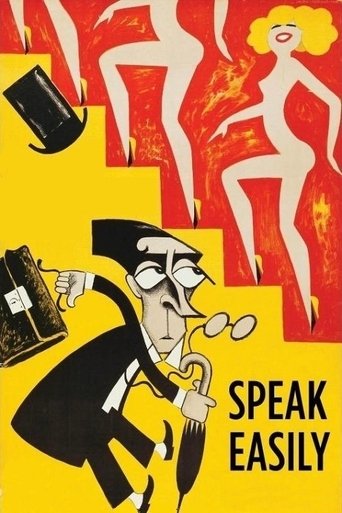
American comedian, actor, singer, pianist, and radio and television personality: gravelly voice, outsized nose, and warmly chaotic comic persona made him distinctive entertainers of the 20th century. Born in New York City to an Italian-American family, he began in vaudeville and music before becoming a major stage and screen personality, with early film appearances in the transitional early talkie era including Speak Easily (1932). Durante's screen persona was built around fast-talking wisecracks, musical interludes, physical comedy, and a self-deprecating style that made him instantly recognizable to audiences. He remained a popular presence in films throughout the 1930s and 1940s, often playing a version of himself or a lovable comic sidekick in musical comedies and ensemble pictures. In addition to movies, he became a huge radio star and later a beloved television figure, extending his fame well beyond classic cinema. He was also an accomplished performer in nightclubs and recording, and his willingness to blend comedy with song helped make him a uniquely multi-platform star. By the end of his life, he was America's great show-business personalities, admired for his warmth, energy, and unmistakable voice.
The Craft
On Screen
Durante's acting style was rooted in vaudeville and musical-comedy performance, emphasizing verbal energy, improvisation, rhythmic timing, and a highly personal comic persona rather than naturalistic character transformation. He often played a heightened version of himself: loud, endearing, obstreperous, and unexpectedly tender, with broad physical gestures and rapid-fire patter. His performances depended on audience affection for his persona, which allowed him to dominate scenes even when he was not playing the lead. He was especially effective in ensemble comedies and musical numbers, where his interruptions, asides, and songs could turn a supporting role into a memorable centerpiece.
Milestones
- Broke into entertainment through vaudeville, where his comic timing and musical improvisation made him a standout performer
- Became a major early sound-film personality with appearances in musical and comedy vehicles, including Speak Easily (1932)
- Achieved widespread fame as a radio star, bringing his stage persona to a national audience
- Headlined popular films such as The Man Who Came to Dinner, Two Girls and a Sailor, and Billy Rose's Jumbo
- Created
- Later became a beloved television presence and recording artist, keeping his fame alive across multiple generations
Best Known For
Iconic Roles
Must-See Films
Accolades
Won
- Academy Award for the short subject music film Seaside (1959)
- Nominated for acclaim and industry honors during a long career in stage, radio, film, and television, though he was not primarily an awards-centered performer
Nominated
- No major competitive Academy Award acting nomination is widely documented for Jimmy Durante
- He received recognition and nominations in popular entertainment circles and television awards contexts during his later career
Special Recognition
- Hollywood Walk of Fame star
- Inducted into the National Association of Broadcasters Hall of Fame
- Recipient of the Academy Award for Best Live Action Short Film for Seaside as producer/narrator association is commonly noted in career retrospectives
- Widely honored through tributes, retrospectives, and lifetime-achievement style recognition in entertainment history
Working Relationships
Worked Often With
Studios
Why They Matter
Impact on Culture
Jimmy Durante became a cultural icon because he embodied a uniquely American blend of ethnic humor, musical showmanship, and affectionate self-parody. His voice, nose, and trademark sign-off style made him instantly recognizable to audiences across film, radio, records, and television, and he helped define the entertainer-as-personality model that became central to modern celebrity culture. In classic cinema, he represented the bridge between vaudeville and Hollywood sound film: the kind of performer who could walk into a movie and immediately bring stage electricity with him. His presence in early talkies and musical comedies demonstrated how sound opened the screen to performers whose primary gifts were voice, timing, and personality.
Lasting Legacy
Durante's legacy rests not only on the number of films he made, but on the durability of his persona. He remains. Film historians value him as a key transitional figure from vaudeville and Broadway to Hollywood musical comedy, and later generations continued to encounter him through television reruns, recordings, and holiday specials. His name is still associated with warmth, raspy enthusiasm, and a deeply human comic style that balanced brashness with tenderness. In classic film history, he stands as one of the unmistakable character-entertainers whose personality could define an entire scene.
Who They Inspired
Durante influenced generations of comedians and variety performers by proving that a highly individualized stage persona could translate successfully to screen and radio. His fast, interrupted delivery, self-referential humor, and willingness to be the butt of the joke anticipated later television comics and stand-up personalities who built acts around recognizable quirks. He also demonstrated that musicianship could be integrated into comic performance without diminishing either side of the act. Performers in musical comedy, sketch comedy, and variety television have often echoed elements of his rhythm, exaggeration, and affectionate audience rapport.
Off Screen
Jimmy Durante was known for a long and active personal life that was often discussed in the entertainment press because of his romances, marriages, and show-business friendships. He married three times and was widely reported as a devoted husband in later life, especially in his marriage to Margaret Little, whom he remained with until his death. Durante did not have any biological children, though he was a father figure and close family presence to people in his orbit. Despite his public persona as a comic extrovert, he was reputed by friends and colleagues to be generous, loyal, and deeply sentimental offstage, and he often used his fame to support charitable causes and fellow performers. His private life was also shaped by the demands of a career that moved from vaudeville to recordings, films, radio, and television, keeping him in the public eye for decades.
Education
He left formal schooling early and was trained primarily through performance experience rather than higher education; his real education came from vaudeville, music, and years of professional stage work.
Family
- Jean Olson (1921-1943)
- Margaret Little (1918-1980)
- Margaret Dion (dates uncertain in public summaries; reported as an early marriage in biographical accounts)
Did You Know?
- His trademark catchphrase became widely associated with his comic identity, especially his greeting style and playful verbal riffs.
- Durante's distinctive nose became such a part of his public image that it was central to much of his humor, though he was sensitive to it privately at times.
- He was a trained pianist and often incorporated piano playing into his act and screen roles.
- He was.
- His performances frequently mixed music, patter, and slapstick in a way that made him useful in ensemble comedies and revues.
- He appeared in both feature films and shorts, maintaining visibility across multiple entertainment formats.
- He recorded songs and novelty numbers that preserved his stage voice and persona for audiences outside the cinema.
- Later television appearances helped cement him as a multigenerational entertainer well beyond the Golden Age of Hollywood.
In Their Own Words
Everybody wants to get into the act.
I got a million of 'em.
In show business, the bottom line is not always the punch line, but with Jimmy Durante it often felt that way because the joke was inseparable from the performance.
Frequently Asked Questions
Who was Jimmy Durante?
American comedian, with credits in this catalog. He was famous for his gravelly voice, comic patter, and warm, self-mocking style, and he successfully worked in vaudeville, film, radio, and television.
What films is Jimmy Durante best known for?
Titles linked here include Speak Easily (1932), The Phantom President (1932).
When was Jimmy Durante born and when did he die?
Born February 10, 1893; died January 29, 1980.
What awards did Jimmy Durante win?
Durante won an Academy Award in connection with the short film Seaside (1959) and received various honors across radio, television, and film history. He also earned a Hollywood Walk of Fame star and other lifetime-recognition style tributes rather than a long list of competitive acting awards.
What was Jimmy Durante's acting style?
His acting style was broad, musical, and highly personality-driven, rooted in vaudeville and live performance. He relied on rapid-fire delivery, improvisation, physical comedy, and an endearing self-parody that made him memorable in both lead and supporting roles.
Why is Jimmy Durante still important in film history?
He is important because he represents the successful migration of vaudeville entertainment into sound cinema. His screen persona helped define how personality performers could thrive in early talkies and musical comedies, and his influence can still be felt in variety entertainment and comic performance styles.