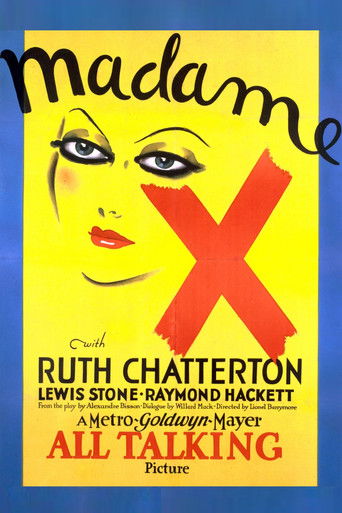
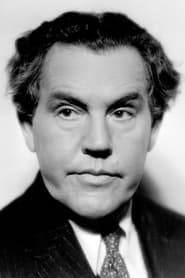
Sidney Toler
Actor
Born: April 28, 1874 in Warrensburg, Missouri, USA Died: February 12, 1947 Active: 1929-1947 Birth Name: Sidney Hooper Toler
Films
3 films
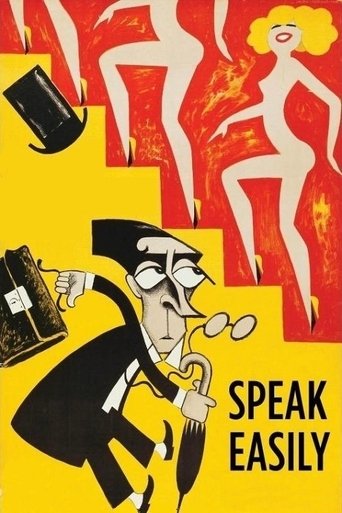
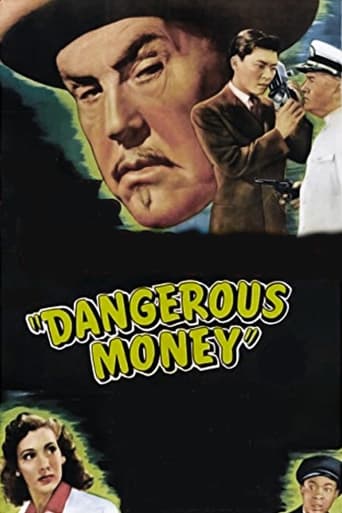
About Sidney Toler
American actor who began his career on the stage before transitioning to films during the late silent era. Born in Missouri in 1874, Toler spent decades honing his craft in theater productions across the United States, developing the distinctive voice and measured delivery that would later define his screen persona. His breakthrough came in 1938 when he was selected to replace Warner Oland as the detective Charlie Chan following Oland's untimely death. Toler would go on to portray Charlie Chan in 22 films, first for 20th Century Fox and later for Monogram Pictures, becoming the face of the character for an entire generation of moviegoers. Beyond his Chan films, Toler appeared in numerous supporting roles throughout the 1920s-1940s, often playing authority figures, detectives, or professional men. Despite suffering from cancer during his final years, he continued working until his death in 1947, with his last Charlie Chan film released posthumously. His portrayal of the Chinese detective, while controversial by modern standards, remains recognizable characterizations in classic Hollywood cinema.
The Craft
On Screen
Toler was known for his calm, deliberate delivery and distinctive voice work. His acting style emphasized methodical speech patterns and thoughtful pauses, which perfectly suited the analytical nature of Charlie Chan. Unlike more theatrical actors of his era, Toler favored subtlety and restraint, using minimal gestures and facial expressions to convey his character's intelligence and wisdom. His stage background gave him excellent diction and projection, while his later film work showed an ability to adapt to the more intimate camera medium. Toler's portrayal of Chan was characterized by a gentle, paternal demeanor combined with sharp deductive reasoning.
Milestones
- Selected to replace Warner Oland as Charlie Chan in 1938
- Starred in 22 Charlie Chan films for Fox and Monogram Pictures
- Successfully transitioned from stage actor to film star in his 50s
- Became the definitive Charlie Chan for wartime audiences
- Continued performing despite battling cancer in his final years
Best Known For
Iconic Roles
Must-See Films
Accolades
Special Recognition
- Hollywood Walk of Fame star (Motion Pictures) - 6600 Hollywood Blvd
Working Relationships
Worked Often With
Studios
Why They Matter
Impact on Culture
Sidney Toler's portrayal of Charlie Chan had a significant cultural impact during the late 1930s and 1940s, making him. The Charlie Chan films became extremely popular during World War II, providing audiences with comforting entertainment during uncertain times. Toler's version of the character emphasized wisdom, patience, and intellectual superiority over physical force, presenting an alternative to typical Hollywood action heroes. The films introduced American audiences to elements of Chinese philosophy and culture, albeit through a Western lens. While controversial by modern standards due to the practice of yellowface casting, Toler's performances were widely accepted at the time and helped establish the detective mystery genre as a staple of Hollywood cinema.
Lasting Legacy
Sidney Toler's legacy is primarily defined by his definitive portrayal of Charlie Chan, which remains. His 22 Charlie Chan films continue to be studied by film historians and enjoyed by classic movie enthusiasts, representing an important chapter in the development of the detective mystery genre. Toler's success in taking over an established role and making it his own demonstrated the importance of casting in franchise films. His work also serves as a complex example of Hollywood's approach to racial representation during the Golden Age, sparking ongoing discussions about cultural appropriation and the evolution of casting practices. The Charlie Chan character that Toler helped popularize has influenced countless subsequent detective films and television shows, with the aphoristic wisdom and deductive reasoning of Chan becoming archetypal elements of the genre.
Who They Inspired
Sidney Toler influenced subsequent generations of character actors through his ability to make a role entirely his own despite not being the originator. His measured, thoughtful approach to playing Charlie Chan established a template for how intellectual detectives should be portrayed on screen. Many later detective characters, from Columbo to Sherlock Holmes adaptations, owe a debt to the calm, analytical style that Toler perfected. His success in maintaining audience interest across numerous films demonstrated the commercial viability of detective franchises in Hollywood. Toler's work also influenced how studios approached casting replacements for popular characters, showing that a new actor could successfully revive and extend a beloved film series.
Off Screen
Private individual who kept his personal life largely out of the public eye. He married twice during his lifetime, first to actress Vivian Marston, and later to Veda Toler after his divorce. Unlike many Hollywood figures of his era, Toler did not have any children. He was known among colleagues as a professional and dedicated actor who took his craft seriously. In his later years, Toler battled cancer but continued working, demonstrating remarkable commitment to his profession even while in poor health. His death in 1947 marked the end of an era for the Charlie Chan film series.
Education
Attended the University of Kansas and later studied drama at the American Academy of Dramatic Arts
Family
- Vivian Marston (1924-1930s)
- Veda Toler (1940s-1947)
Did You Know?
- Was 64 years old when he first played Charlie Chan, making him one of the oldest actors to take on a major leading role
- Spent over 20 years as a stage actor before appearing in his first film
- Was the first actor to play Charlie Chan in color (Charlie Chan at Treasure Island)
- Continued making Charlie Chan films even while confined to a wheelchair due to cancer
- His final film, The Chinese Ring, was released posthumously in 1947
- Was a skilled amateur painter and created many artworks during his lifetime
- Spoke several languages including French and German, which helped him in international roles
- Was a close friend of fellow character actor Edward G. Robinson
- His distinctive voice made him a popular choice for radio adaptations of his films
- The Charlie Chan films he starred in were banned in China during World War II due to Japanese occupation
In Their Own Words
"Murder like potato chip - you cannot stop at just one." (as Charlie Chan)
"Confucius say: Man who run in front of car get tired." (as Charlie Chan)
"Mind, like parachute, only function when open." (as Charlie Chan)
"The best way to solve a mystery is to let it solve itself." (as Charlie Chan)
"I have found that when a man is lying, he has a way of looking away from you." (as Charlie Chan)
Frequently Asked Questions
Who was Sidney Toler?
American with credits in this catalog. He began as a stage actor and transitioned to films in his 50s, becoming.
What films is Sidney Toler best known for?
Titles linked here include Charlie Chan at Treasure Island (1939), Charlie Chan in Panama (1940).
When was Sidney Toler born and when did he die?
Born April 28, 1874; died February 12, 1947.
What awards did Sidney Toler win?
While Sidney Toler did not receive major acting awards during his career, he was honored with a star on the Hollywood Walk of Fame for his contributions to motion pictures, located at 6600 Hollywood Boulevard.
What was Sidney Toler's acting style?
Toler was known for his calm, deliberate delivery and distinctive voice work, emphasizing methodical speech patterns and thoughtful pauses that suited the analytical nature of Charlie Chan. He favored subtlety and restraint over theatricality, using minimal gestures to convey his character's intelligence and wisdom.
How did Sidney Toler become Charlie Chan?
Toler was selected by 20th Century Fox to replace Warner Oland as Charlie Chan after Oland's death in 1938. Despite being in his 60s, Toler's stage experience and distinctive voice made him an ideal choice, and he successfully made the role his own over the next decade.
What was Sidney Toler's background before films?
Before entering films, Sidney Toler had an extensive career in theater spanning over two decades. He attended the University of Kansas and studied drama at the American Academy of Dramatic Arts, performing in numerous stage productions across the United States before making his film debut in 1929.