
Chester Morris
Actor
Born: February 16, 1901 in New York City, New York, USA Died: September 11, 1970 Active: 1917-1969 Birth Name: John Chester Brooks Morris
Films
5 films
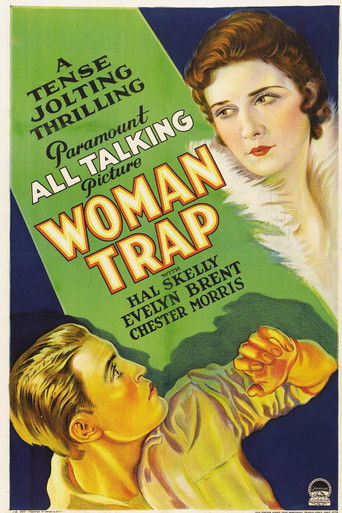
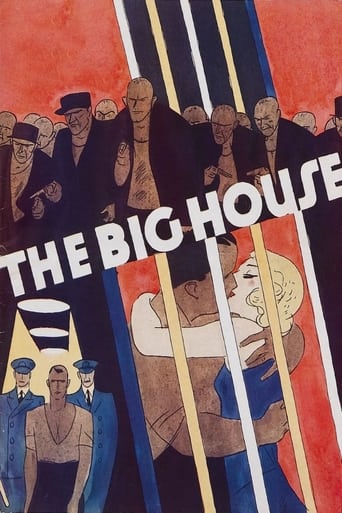
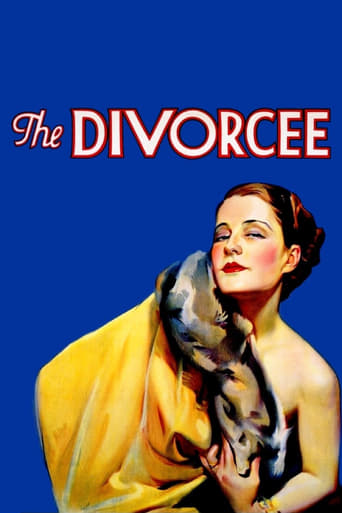
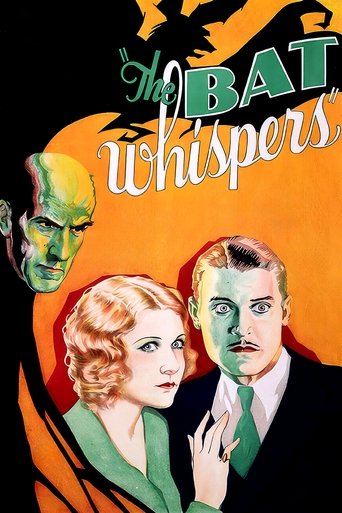
About Chester Morris
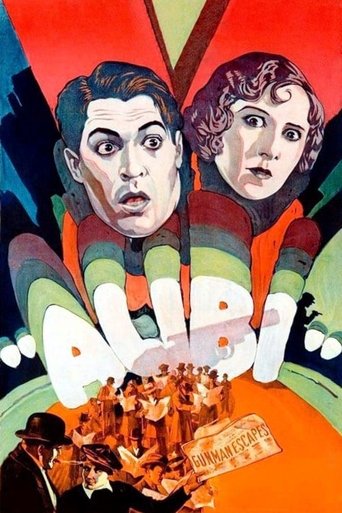
Chester Morris, born John Chester Brooks Morris, was a prominent American actor active from the silent era through the Golden Age of Hollywood. Beginning as a child actor on Broadway, he made his film debut in the late 1910s and quickly rose to prominence with his breakthrough performance in the early talkie 'Alibi' (1929), which earned him an Academy Award nomination for Best Actor. Morris became renowned for his portrayals of tough, cynical characters, particularly in crime dramas and film noir, though he demonstrated remarkable versatility across genres. His most enduring legacy came from his portrayal of the reformed jewel thief Boston Blackie in a series of 14 films from 1941 to 1949, which cemented his status as a bankable leading man. Throughout his career, he appeared in over 150 films and made numerous television appearances in the 1950s and 1960s. Morris was known for his distinctive rapid-fire delivery and intense screen presence, which made him particularly effective in roles requiring both menace and charm. His career demonstrated remarkable longevity, adapting successfully from silent films to talkies and eventually to television, until his death in 1970.
The Craft
On Screen
Chester Morris was known for his rapid-fire delivery, intense screen presence, and ability to portray complex, morally ambiguous characters. He specialized in tough-guy roles with a underlying vulnerability, often playing cynical characters who hid a sense of honor beneath a hardened exterior. His acting style was particularly effective in the fast-paced dialogue of early talkies and later in film noir, where his naturalistic approach and ability to convey both menace and charm made him a standout performer.
Milestones
- Academy Award nomination for Best Actor for 'Alibi' (1929)
- Star of the Boston Blackie film series (14 films, 1941-1949)
- Successful transition from silent films to talkies
- Over 150 film appearances across four decades
- Prolific television work in the 1950s-60s
- Leading roles in major studio productions at MGM and Paramount
Best Known For
Iconic Roles
Must-See Films
Accolades
Won
- Hollywood Walk of Fame star (1960)
Nominated
- Academy Award for Best Actor for 'Alibi' (1929)
Special Recognition
- Star on the Hollywood Walk of Fame located at 6573 Hollywood Boulevard
Working Relationships
Worked Often With
Studios
Why They Matter
Impact on Culture
Chester Morris made a significant cultural impact as one of the first actors to successfully transition from silent films to talkies, demonstrating that theatrical training could translate effectively to the new medium of sound cinema. His portrayal of Boston Blackie helped establish the archetype of the charming anti-hero in American popular culture, influencing countless subsequent crime films and television shows. Morris's work in early prison dramas like 'The Big House' helped define the genre and brought attention to issues within the American penal system. His rapid-fire delivery style influenced generations of actors working in fast-paced dialogue films, particularly in the crime and noir genres. Morris also represented the working-class hero archetype that resonated strongly with Depression-era audiences and continued to find relevance in post-war American cinema.
Lasting Legacy
Chester Morris's legacy endures through his extensive body of work that spans the evolution of American cinema from silent films to television. His Academy Award nomination for 'Alibi' established him as one of the promising young actors of the early sound era, though his career would ultimately be defined by his versatility and longevity rather than major awards. The Boston Blackie series remains his most enduring contribution, with the character becoming a cultural touchstone that has been referenced and homaged in numerous subsequent works. Film scholars often cite Morris as an example of the reliable character actor who could elevate any material with his professional approach and distinctive screen presence. His films, particularly his noir work, continue to be studied and appreciated by classic cinema enthusiasts and academic film programs. Morris represents the journey of many Golden Age actors who adapted to changing times and technologies while maintaining their relevance and appeal to audiences across decades.
Who They Inspired
Chester Morris influenced subsequent generations of actors through his naturalistic approach to dialogue delivery and his ability to portray complex characters with moral ambiguity. His work in crime and noir films helped establish acting patterns that would be emulated by actors like Humphrey Bogart and Robert Mitchum. The Boston Blackie character archetype he perfected influenced the development of similar charming criminal protagonists in television and film. Morris demonstrated that actors could maintain successful careers by adapting to changing mediums and audience preferences, a lesson that influenced how many subsequent actors approached their careers. His rapid-fire delivery style particularly influenced actors in screwball comedies and fast-paced crime dramas. Additionally, his successful transition from Broadway to film to television provided a template for multi-platform entertainment careers that would become common in later decades.
Off Screen
Chester Morris was married three times and had three children. His first marriage was to Suzanne Kilbourne in 1926, with whom he had two sons before their divorce in 1939. He then married socialite Lillian Kent in 1940, but this marriage also ended in divorce in 1950. His third and final marriage was to Patricia Ann Ryan in 1952, which lasted until his death. Morris was known to be a private person who rarely discussed his personal life in public. He was the older brother of actor Adrian Morris, who also appeared in films during the 1930s. Morris struggled with health issues in his later years and died by suicide in 1970 at the age of 69.
Education
Attended public schools in New York City, began acting career as a child, no formal dramatic training recorded
Family
- Suzanne Kilbourne (1926-1939)
- Lillian Kent (1940-1950)
- Patricia Ann Ryan (1952-1970)
Did You Know?
- Was nominated for the first Academy Award for Best Actor for 'Alibi' (1929)
- His brother Adrian Morris was also an actor who appeared in many films of the 1930s
- The Boston Blackie character he portrayed was originally created by author Jack Boyle
- Made his Broadway debut at age 15 in 'The Copperhead' (1916)
- Appeared in over 150 films during his career
- Was one of the few actors to successfully make the transition from silent films to talkies without major career interruption
- His star on the Hollywood Walk of Fame was awarded in 1960 for his contributions to motion pictures
- Was a licensed pilot and enjoyed flying in his personal time
- Appeared in the first-ever prison drama 'The Big House' (1930) which established many conventions of the genre
- Made numerous television appearances in the 1950s and 60s, including guest spots on popular shows like 'Perry Mason' and 'The Untouchables'
In Their Own Words
On acting in early talkies: 'The trick wasn't just to be heard, but to sound natural while being heard by everyone in the theater without microphones on your face.'
On his Boston Blackie role: 'He's a crook with a heart of gold. Audiences love him because he breaks the rules but only when the rules deserve breaking.'
On his career longevity: 'You don't last forty years in this business by being a star. You last by being a professional who shows up ready to work.'
On the transition from silent to sound films: 'Many good actors were ruined by their voices. I was lucky that my voice matched my face.'
Frequently Asked Questions
Who was Chester Morris?
American with credits in this catalog. He was best known for his tough-guy roles in crime dramas and for starring as Boston Blackie in a popular film series.
What films is Chester Morris best known for?
Titles linked here include Alibi (1929), The Big House (1930).
When was Chester Morris born and when did he die?
Born February 16, 1901; died September 11, 1970.
What awards did Chester Morris win?
Chester Morris received an Academy Award nomination for Best Actor for his role in 'Alibi' (1929) and was honored with a star on the Hollywood Walk of Fame in 1960. While he didn't win major acting awards, his nomination was significant as it came during the first year of the Academy Awards.
What was Chester Morris's acting style?
Chester Morris was known for his rapid-fire delivery, intense screen presence, and ability to portray complex, morally ambiguous characters. He specialized in tough-guy roles with underlying vulnerability, often playing cynical characters who hid a sense of honor beneath a hardened exterior.
How many films did Chester Morris appear in?
Chester Morris appeared in over 150 films during his career, which spanned more than four decades from 1917 to 1969. His most extensive work was the Boston Blackie series, which consisted of 14 films.
Did Chester Morris work in television?
Yes, Chester Morris successfully transitioned to television in the 1950s and 1960s, making numerous guest appearances on popular shows including 'Perry Mason,' 'The Untouchables,' 'Rawhide,' and 'Wagon Train.' His television work extended his career well beyond the golden age of Hollywood cinema.