Films
1 film
About Harry Ahlin
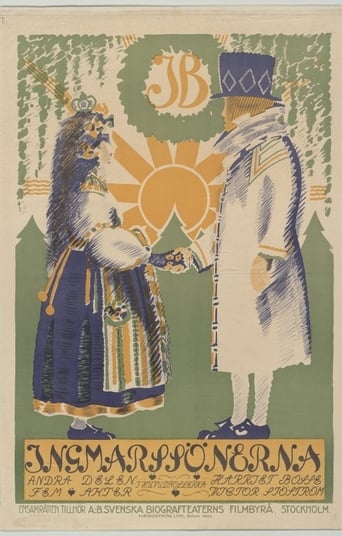
Harry Ahlin worked on one surviving credit: Sons of Ingmar (1919). His most documented work was in Victor Sjöström's acclaimed 1919 film 'Sons of Ingmar' (Ingmarssönerna), which was based on Selma Lagerlöf's novel and represented some of the finest artistic achievements of early Scandinavian cinema. Ahlin appeared during a period for their technical innovation and artistic depth. His career appears to have been brief, with most records only documenting his work in 1919, suggesting he may have been a character actor or someone who transitioned out of the film industry quickly. Like many actors from this era, detailed records of his life and career are scarce, reflecting the challenges of preserving comprehensive documentation from early cinema. His contribution to Swedish film history, while limited in scope, represents the collaborative effort of numerous performers who helped establish Sweden's reputation for quality filmmaking during the silent era.
The Craft
Milestones
- Appeared in Victor Sjöström's 'Sons of Ingmar' (1919)
- Participated in Swedish cinema's golden age
Best Known For
Iconic Roles
Must-See Films
Working Relationships
Worked Often With
Why They Matter
Impact on Culture
Harry Ahlin's contribution to cinema represents the collective effort of countless actors who participated in the early development of national film industries. His appearance in 'Sons of Ingmar' places him within the context of Sweden's significant contribution to world cinema during the silent era, a period when Swedish films were renowned for their artistic quality and technical innovation. While his individual impact may have been modest, he was part of a movement that established Scandinavian cinema as a serious artistic force on the international stage.
Lasting Legacy
Harry Ahlin's legacy is primarily preserved through his participation in. 'Sons of Ingmar' remains a significant work in film history, and all who contributed to its creation, including Ahlin, share in its historical importance. His career exemplifies the many actors from early cinema whose contributions, while perhaps not widely recognized individually, collectively helped establish the foundation of modern filmmaking.
Who They Inspired
Due to the limited documentation of his career and apparent brief time in the film industry, there is little evidence of Harry Ahlin's direct influence on other performers or filmmakers. However, his participation in quality productions during Swedish cinema's golden age contributed to the overall artistic standards that would influence future generations of Scandinavian filmmakers.
Off Screen
Very little documented information exists about Harry Ahlin's personal life, which is not uncommon for actors from the silent era who had brief careers or played supporting roles. Like many early film performers, especially those working outside the major Hollywood system, detailed biographical records were not always preserved.
Did You Know?
- Appeared in 'Sons of Ingmar' during the peak of Swedish silent cinema's international acclaim
- Worked with legendary director Victor Sjöström, one of the pioneers of cinematic language
- His career appears to have been limited to the year 1919 based on available records
- Participated in a film adaptation of Selma Lagerlöf's work, one of Sweden's most celebrated authors
- His film was part of a series of adaptations that helped establish literary adaptations as prestigious cinema
- Like many early film actors, comprehensive documentation of his life and career has been lost to time
- His active years covered the transitional period when Swedish cinema was gaining international recognition
Frequently Asked Questions
Who was Harry Ahlin?
Swedish with credits in this catalog.' His career appears to have been brief, with most documented work limited to 1919, making him part of the early generation of Swedish film performers.
What films is Harry Ahlin best known for?
Titles linked here include Sons of Ingmar (1919).
When was Harry Ahlin born and when did he die?
Specific birth and death dates for Harry Ahlin are not well-documented in available historical records, which is not uncommon for actors from the silent era who had brief careers or worked primarily in supporting roles. He is known to have been active as an actor in 1919.
What awards did Harry Ahlin win?
There are no documented awards or nominations for Harry Ahlin in available historical records. This is typical for many actors from the silent era, especially those who worked in European cinema before the establishment of major award ceremonies.
What was Harry Ahlin's acting style?
Due to limited documentation of his career and the apparent brevity of his film work, there is insufficient information to specifically describe Harry Ahlin's acting style. As a performer in Swedish silent cinema, he would have worked within the theatrical acting conventions common to the period.