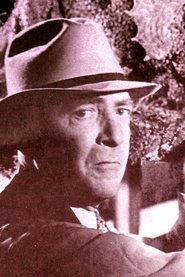
Willis H. O'Brien
Actor & Director
Born: March 2, 1886 in Oakland, California, USA Died: November 8, 1962 Active: 1915-1962 Birth Name: Willis Harold O'Brien
Films
3 films
About Willis H. O'Brien
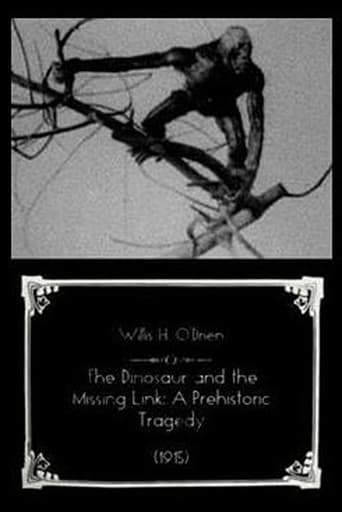
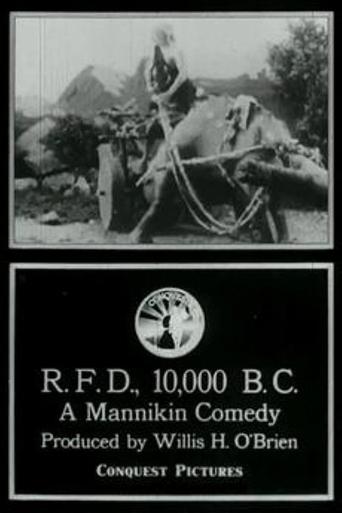
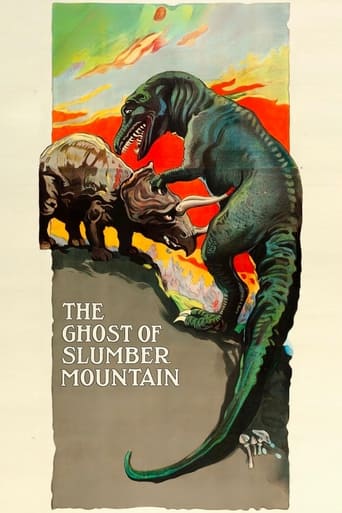
Willis Harold O'Brien — American special effects artist, animator, and filmmaker who revolutionized cinema through his work in stop-motion animation. Born in Oakland, California, O'Brien began his career as a cartoonist and sculptor before discovering the potential of motion pictures for bringing his creations to life. His early experiments with clay and model animation in the 1910s led to innovative short films featuring prehistoric creatures, establishing him as the father of cinematic special effects. O'Brien achieved international acclaim with 'The Lost World' (1925), which featured astonishing dinosaur sequences that captivated audiences and demonstrated the storytelling potential of visual effects. His masterpiece, 'King Kong' (1933), remains films in cinema history, combining technical innovation with emotional depth through its animated protagonist. Despite facing personal tragedies and professional setbacks, O'Brien continued to push the boundaries of visual effects throughout his career, mentoring future legends like Ray Harryhausen and earning an Academy Award for 'Mighty Joe Young' (1949). His legacy endures in every modern blockbuster that relies on visual effects to tell impossible stories.
The Craft
Behind the Camera
O'Brien's directing approach focused primarily on the technical aspects of special effects sequences, emphasizing realism and emotional connection with animated creatures. He treated his animated models as characters, giving them personality through subtle movements and expressions that audiences could empathize with. His visual storytelling blended spectacle with emotional depth, particularly evident in how he animated Kong's expressions and movements to convey the creature's intelligence and feelings.
Milestones
- Created the first feature-length film with extensive stop-motion animation effects in 'The Lost World' (1925)
- Directed and animated the groundbreaking special effects for 'King Kong' (1933)
- Won Academy Award for Best Visual Effects for 'Mighty Joe Young' (1949)
- Pioneered the use of miniature sets and models combined with live-action footage
- Mentored Ray Harryhausen, who continued his legacy of stop-motion animation
- Developed revolutionary techniques for combining animation with live-action photography
Best Known For
Iconic Roles
Must-See Films
Accolades
Won
- Academy Award for Best Visual Effects - Mighty Joe Young (1949)
- Academy Honorary Award (shared) - For development of special effects techniques (1949)
- Golden Globe Special Achievement Award - King Kong (1976, posthumous for original concept)
Nominated
- Academy Award for Best Engineering Effects - The Lost World (1925, before formal category existed)
- Academy Award for Best Special Effects - The Son of Kong (1933)
- Academy Award for Best Special Effects - The Last Days of Pompeii (1935)
Special Recognition
- Inducted into the Science Fiction Hall of Fame (2008, posthumous)
- Star on the Hollywood Walk of Fame for Motion Pictures
- Named one of the 100 Most Influential People in Special Effects by Visual Effects Society
Working Relationships
Worked Often With
Studios
Why They Matter
Impact on Culture
Willis O'Brien fundamentally transformed cinema by proving that visual effects could be the emotional core of a film rather than mere spectacle. His work on 'King Kong' created the first movie monster that audiences could sympathize with, establishing the template for creature features that continues to influence filmmakers today. O'Brien's techniques for combining stop-motion animation with live-action footage became the foundation for special effects throughout the 20th century. His innovations in miniature photography, matte painting, and model animation enabled filmmakers to create worlds and creatures previously impossible to visualize, expanding the boundaries of cinematic storytelling. The emotional depth he achieved with his animated characters, particularly Kong, demonstrated that special effects could convey complex emotions and character development, influencing generations of filmmakers from Steven Spielberg to Peter Jackson.
Lasting Legacy
Willis O'Brien's legacy as the father of cinematic special effects remains unparalleled in film history. His techniques in stop-motion animation established the artistic and technical foundation for all subsequent visual effects work. The emotional storytelling he achieved through animated models proved that special effects could serve as more than spectacle - they could be the heart of a narrative. His influence extends directly through his protégé Ray Harryhausen, who carried stop-motion animation into the modern era, and indirectly through every filmmaker who uses visual effects to tell stories. Modern CGI animation owes a conceptual debt to O'Brien's approach of treating animated creatures as characters with personality and emotion. The continued popularity and remakes of his most famous works, particularly 'King Kong,' testify to the enduring power of his vision and the timelessness of his technical innovations.
Who They Inspired
O'Brien's influence on cinema is immeasurable, directly inspiring generations of special effects artists and filmmakers. Ray Harryhausen, his most famous protégé, credited O'Brien as his primary inspiration and continued developing his techniques in films like 'Jason and the Argonauts' and 'Clash of the Titans.' Directors such as Steven Spielberg, George Lucas, and Peter Jackson have all cited O'Brien's work as influential on their approach to visual effects and creature design. The techniques he developed for combining different scales, creating realistic movement in models, and integrating animation with live-action continue to inform modern CGI and practical effects. His approach to creating empathy for animated creatures established the emotional template for modern monster movies, from 'Jurassic Park' to 'Avatar.' The visual effects industry as we know it today, with its emphasis on creating photorealistic imaginary creatures and environments, traces its artistic lineage back to O'Brien's work.
Off Screen
Willis O'Brien's personal life was marked by both professional triumphs and profound tragedies. He married Hazel Ruth McCaleb in 1918, and they had two sons, William and Willis Jr. The marriage ended in divorce in 1930. In 1933, during the production of 'King Kong,' O'Brien experienced devastating personal loss when his second wife, Mona, and their two young sons were killed in a house fire. This tragedy profoundly affected him and influenced his work, particularly in the emotional depth he brought to his animated characters. He later married Darlene T. O'Brien in 1944, who remained with him until his death. Despite his professional success, O'Brien struggled with alcoholism and financial difficulties in his later years, though he continued working on special effects projects until his death from cancer in 1962.
Education
Self-taught artist and animator; attended some art classes but primarily learned through experimentation and practical experience in sculpture and cartooning
Family
- Hazel Ruth McCaleb (1918-1930)
- Mona O'Brien (1932-1933, deceased)
- Darlene T. O'Brien (1944-1962)
Did You Know?
- Originally worked as a professional boxer and baseball player before discovering his passion for art and animation
- His first animation experiments involved clay models of prehistoric animals inspired by his childhood fascination with dinosaurs
- The dinosaur models for 'The Lost World' were so realistic that some early audience members believed they were real living creatures
- For 'King Kong,' O'Brien and his team created over 50 different Kong models, each with different levels of detail for various shots
- The famous Empire State Building sequence in 'King Kong' took months to animate, with only a few seconds of finished footage produced per week
- O'Brien's original concept for 'King Kong' involved a giant gorilla fighting a Komodo dragon, but this was changed during development
- He was the first special effects artist to receive screen credit for his work, establishing the practice of recognizing visual effects artists
- Despite his Academy Award for 'Mighty Joe Young,' O'Brien was deeply disappointed that the film's animation was not as detailed as his earlier work due to budget constraints
- His techniques were so advanced that many of his methods remained industry standards for decades, only being replaced by CGI in the 1990s
- O'Brien's early short films were often shown as novelty acts before feature films, helping establish the practice of showing animated shorts with main features
In Their Own Words
"I don't make monsters. I make characters who happen to look like monsters." - On his approach to creature animation
"The secret to making an audience believe in something impossible is to make it move and behave like something real." - On his animation philosophy
"Every frame of animation is a new sculpture. You have to think like a sculptor, but move like a choreographer." - On the art of stop-motion
"King Kong wasn't just a monster to me. He was a tragic character, a misunderstood creature who deserved sympathy." - On his most famous creation
"The camera can lie, but it must lie convincingly. That's the art of special effects." - On his approach to visual effects
Frequently Asked Questions
Who was Willis H. O'Brien?
American special effects artist and stop-motion animator who revolutionized cinema through his groundbreaking work on films like 'King Kong' (1933) and 'The Lost World' (1925). He is widely regarded as the father of cinematic special effects and the first artist to demonstrate that animated creatures could serve as emotionally compelling characters in feature films.
What films is Willis H. O'Brien best known for?
Titles linked here include King Kong (1933), The Lost World (1925).
When was Willis H. O'Brien born and when did he die?
Born March 2, 1886; died November 8, 1962.
What awards did Willis H. O'Brien win?
O'Brien won the Academy Award for Best Visual Effects for 'Mighty Joe Young' in 1949, sharing the honor with the film's production team. He also received a special Academy Honorary Award in 1949 for his development of special effects techniques. Posthumously, he was inducted into the Science Fiction Hall of Fame in 2008 and received a Golden Globe Special Achievement Award for the original concept of 'King Kong.'
What was Willis H. O'Brien's animation style?
O'Brien's animation style emphasized realism and emotional expression, treating his models as living characters rather than mechanical objects. He pioneered techniques for creating subtle movements and expressions that conveyed personality and emotion, particularly evident in his animation of Kong's eyes and facial expressions. His work combined technical precision with artistic sensitivity, using detailed armatures and meticulous frame-by-frame manipulation to achieve lifelike movement that audiences could emotionally connect with.
How did Willis H. O'Brien influence modern cinema?
O'Brien's influence on modern cinema is profound and far-reaching. He established that visual effects could be the emotional core of a film, paving the way for modern blockbusters centered around CGI characters. His techniques for combining different scales, creating realistic movement, and integrating animation with live-action formed the foundation for all subsequent special effects work. His protégé Ray Harryhausen continued his legacy, and modern filmmakers from Steven Spielberg to Peter Jackson have cited O'Brien's work as inspiration for their approach to creature features and visual storytelling.
What personal tragedies did Willis H. O'Brien face?
O'Brien experienced profound personal tragedy in 1933 when his second wife, Mona, and their two young sons were killed in a house fire during the production of 'King Kong.' This devastating loss deeply affected him and influenced the emotional depth he brought to his animated characters, particularly Kong's tragic nature. He also struggled with alcoholism for much of his life and faced financial difficulties despite his professional success.