Michael Chekhov
Actor
Born: August 29, 1891 in Saint Petersburg, Russian Empire Died: September 30, 1955 Active: 1913-1955 Birth Name: Mikhail Aleksandrovich Chekhov
Films
2 films
About Michael Chekhov
Mikhail Aleksandrovich Chekhov — Russian-American actor, director, and influential acting teacher whose revolutionary techniques transformed modern acting pedagogy. Born into a prominent literary family as the nephew of playwright Anton Chekhov, he began his career at the Moscow Art Theatre under Konstantin Stanislavski's mentorship, where he quickly became one of the company's most promising actors. During the Russian revolutionary period, Chekhov developed his own acting approach that emphasized psychological gesture, imagination, and the actor's creative individuality, which differed significantly from Stanislavski's method. After establishing his own experimental theatre in Moscow, he was forced to flee Soviet Russia in 1928 due to political pressure, eventually settling in Germany before relocating to the United States in 1939. In America, he founded his own acting studio in Hollywood and trained numerous actors who would become major stars, while also continuing his acting career in films. His most significant contribution to cinema was his book 'To the Actor' (1953), which codified his techniques and remains a foundational text in acting education worldwide. Chekhov's legacy endures through the Chekhov Technique, which continues to be taught at acting schools and conservatories globally, emphasizing the transformative power of imagination and physical expression in performance.
The Craft
On Screen
Chekhov's acting style emphasized psychological gesture, imaginative transformation, and the actor's creative individuality rather than emotional memory. He developed a technique that focused on the physical and psychological aspects of character creation, using what he called 'psychological gestures' to awaken the actor's imagination and connect with the character's inner life. His approach was highly physical and expressive, encouraging actors to work with archetypes, atmospheres, and the four qualities of movement (molding, flowing, flying, and radiating). Unlike Stanislavski's emphasis on realistic reproduction of behavior, Chekhov advocated for a more stylized, transformative approach that allowed actors to access deeper psychological truths through imagination and physical expression.
Milestones
- Joined Moscow Art Theatre (1912)
- Developed Chekhov Acting Technique
- Founded First Studio of Moscow Art Theatre
- Directed and acted in German films (1928-1935)
- Established Chekhov Theatre Studio in Dartington, England (1936)
- Founded acting studio in Hollywood (1940s)
- Published 'To the Actor' (1953)
- Academy Award nomination for 'Spellbound' (1945)
Best Known For
Iconic Roles
Must-See Films
Accolades
Won
- Academy Award nomination for Best Supporting Actor - 'Spellbound' (1945)
- National Board of Review Award for Best Acting - 'Spellbound' (1945)
Nominated
- Academy Award for Best Supporting Actor - 'Spellbound' (1945)
Special Recognition
- Order of the Red Banner of Labour (Soviet Union, 1935)
- Star on Hollywood Walk of Fame (1960, posthumous)
- International Theatre Institute's Acting Award
- Russian State Academy of Theatre Arts named studio after him
Working Relationships
Worked Often With
Studios
Why They Matter
Impact on Culture
Michael Chekhov revolutionized acting pedagogy by developing an alternative to Stanislavski's system that emphasized imagination, psychological gesture, and the actor's creative transformation. His techniques bridged the gap between realistic and stylized acting, offering actors a more holistic approach to character creation that engaged body, voice, and imagination. The Chekhov Technique has had a profound impact on theatre and film training worldwide, influencing generations of actors and directors. His work represented a significant departure from the dominant psychological realism of his time, reintroducing elements of theatricality and imaginative transformation into modern acting. Chekhov's emphasis on the actor's creative individuality helped pave the way for more expressive and transformative approaches to performance in both theatre and cinema.
Lasting Legacy
Michael Chekhov's lasting legacy lies in his revolutionary acting technique, which continues to be taught and practiced by actors and acting teachers worldwide. His book 'To the Actor' remains a seminal text in acting education, and his techniques are incorporated into curricula at major acting schools including Yale School of Drama, Juilliard, and RADA. The Michael Chekhov Association and various Chekhov studios worldwide continue to preserve and teach his methods. His influence can be seen in the work of countless actors who studied with him or his students, and his techniques have been adapted for film, television, and theatre performance. Chekhov's approach to acting as a creative, imaginative art form rather than mere imitation has had a lasting impact on how actors are trained and how performance is understood in contemporary theatre and cinema.
Who They Inspired
Chekhov directly influenced many prominent actors including Marilyn Monroe, who credited his techniques with helping her overcome stage fright and develop her craft. His students went on to become major stars and acting teachers themselves, spreading his methods throughout the entertainment industry. Directors such as Elia Kazan and Lee Strasberg incorporated elements of Chekhov's work into their own teaching. His emphasis on psychological gesture and imaginative transformation influenced the development of method acting while providing an alternative to its more psychologically demanding aspects. Contemporary actors and acting teachers continue to adapt and evolve his techniques for modern performance contexts, ensuring his influence endures in 21st-century acting practice.
Off Screen
Michael Chekhov's personal life was marked by artistic dedication and political upheaval. He married actress Olga Knipper-Chekhova in 1915, but the marriage ended in divorce. His second marriage was to Xenia Ziller, with whom he had a daughter. The Russian Revolution and subsequent political pressures forced him into exile, separating him from his homeland and family. He eventually settled in the United States, where he continued his artistic work and teaching. Chekhov was known for his spiritual interests and was influenced by anthroposophy, which informed his artistic philosophy. His later years were dedicated to teaching and writing, cementing his legacy as.
Education
Studied at Moscow Art Theatre School under Konstantin Stanislavski (1912-1918), Trained with Vsevolod Meyerhold, Studied with Yevgeny Vakhtangov, Education in music and voice training
Family
- Olga Knipper-Chekhova (1915-1920s)
- Xenia Ziller (1930s-1955)
Did You Know?
- Was the nephew of famous playwright Anton Chekhov
- Fled Soviet Russia after being accused of 'bourgeois decadence'
- Spoke fluent Russian, German, and English
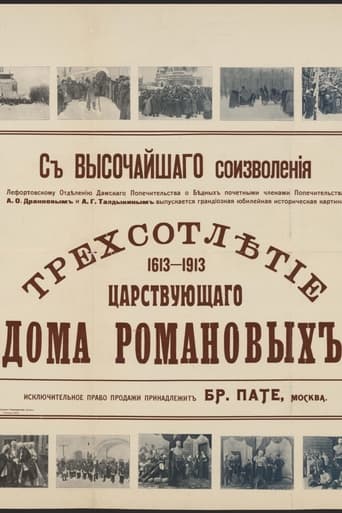
- His first film appearance was in the Romanov Dynasty celebration film at age 22
- Was a member of the Moscow Art Theatre's First Studio
- Developed his acting technique partly in response to what he saw as limitations in Stanislavski's method
- Was influenced by Rudolf Steiner's anthroposophy
- His acting studio in Dartington, England was the first to teach his complete system
- Marilyn Monroe was one of his most famous students
- His techniques are still used by actors today, including Jack Nicholson and Anthony Hopkins
- Received a posthumous star on the Hollywood Walk of Fame in 1960
- His book 'To the Actor' has been translated into over 20 languages
In Their Own Words
The actor must have something in his head besides his own head.
Imagination is the most important tool for the actor.
The psychological gesture is the movement of the will behind the words.
Every character has a specific atmosphere which the actor must create and live in.
The actor's body is his instrument, but imagination is his music.
We must not play characters, we must play actions.
The art of acting is the art of transformation.
Feelings are the result of actions, not the cause of them.
The actor must learn to work with the four brothers: thinking, feeling, willing, and the body.
Frequently Asked Questions
Who was Michael Chekhov?
Russian-American actor, on YTB.my. He was the nephew of playwright Anton Chekhov and a student of Stanislavski who created his own approach to acting emphasizing imagination and psychological gesture. His techniques have influenced generations of actors and continue to be taught worldwide.
What films is Michael Chekhov best known for?
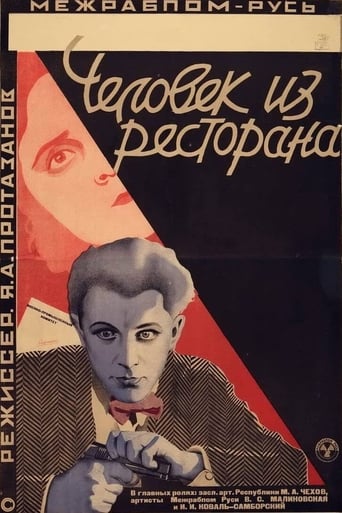
Titles linked here include The Man from the Restaurant (1927), Spellbound (1945).
When was Michael Chekhov born and when did he die?
Born August 29, 1891; died September 30, 1955.
What awards did Michael Chekhov win?
Michael Chekhov received an Academy Award nomination for Best Supporting Actor for his role in 'Spellbound' (1945). He also won the National Board of Review Award for Best Acting for the same performance. Additionally, he received the Order of the Red Banner of Labour from the Soviet Union in 1935 before his exile, and was posthumously awarded a star on the Hollywood Walk of Fame in 1960.
What was Michael Chekhov's acting style?
Chekhov's acting style emphasized psychological gesture, imagination, and the actor's creative transformation rather than emotional memory. His technique focused on physical expression, working with archetypes, and creating atmospheres. He developed what he called the 'psychological gesture' to help actors connect with their characters' inner lives through movement and imagination, rather than relying solely on personal emotional experience.
How did Michael Chekhov influence modern acting?
Chekhov revolutionized acting pedagogy by developing an alternative to Stanislavski's system that emphasized imagination and creative transformation. His techniques influenced major actors like Marilyn Monroe and continue to be taught at prestigious acting schools worldwide. His book 'To the Actor' remains a foundational text, and his emphasis on the actor's creative individuality helped shape contemporary approaches to performance in both theatre and cinema.
Why did Michael Chekhov leave Russia?
Chekhov left Soviet Russia in 1928 due to political pressure and accusations of 'bourgeois decadence' and 'formalism' in his theatrical work. The Soviet authorities were suspicious of his experimental approaches and his spiritual interests. After establishing his own theatre company, he faced increasing hostility from the regime and was forced into exile, eventually settling first in Germany and later in the United States.
What is the Chekhov Technique?
The Chekhov Technique is an innovative acting approach that emphasizes psychological gesture, imagination, and the actor's creative transformation. It focuses on working with the body, voice, and imagination to create character, using concepts like psychological gesture, atmospheres, and archetypes. Unlike method acting's emphasis on emotional memory, Chekhov's technique encourages actors to use their imagination and physical expression to access character, making it less psychologically demanding while potentially more transformative.