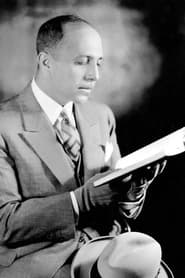
Dimitri Buchowetzki
Director
Born: 1885 in Russian Empire Died: March 31, 1932 Active: 1919-1930
Films
2 films
About Dimitri Buchowetzki
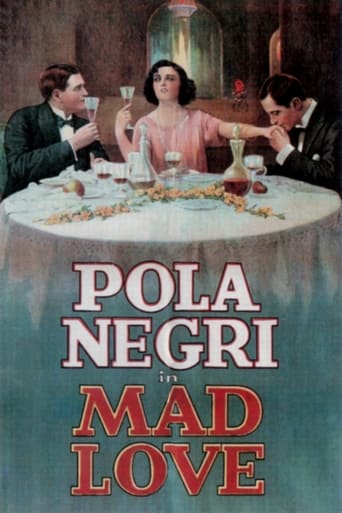
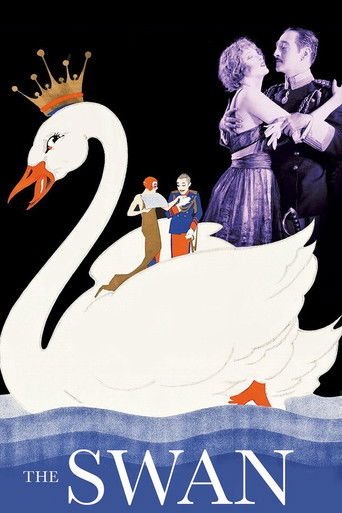
Made significant contributions to both European and American cinema during the silent era. Born in Russia in 1885, he began his career as a stage director before transitioning to film after the Russian Revolution forced him to flee his homeland. He found success in Germany working for the prestigious UFA studios, where he developed his distinctive visual style and gained recognition for his dramatic storytelling. Buchowetzki moved to Hollywood in the mid-1920s, bringing with him a sophisticated European sensibility that influenced his American productions. His most celebrated works include 'The Swan' (1925), a romantic drama that showcased his ability to blend visual elegance with emotional depth, and 'Mad Love' (1921), an early psychological thriller that demonstrated his mastery of atmospheric tension. Despite his success in the silent era, Buchowetzki struggled to adapt to the coming of sound, and his career waned in the early 1930s. He died in Los Angeles in 1932 at the age of 47, leaving behind a legacy of visually striking silent films that bridged European and American cinema traditions.
The Craft
Behind the Camera
Buchowetzki's directing style was characterized by sophisticated visual composition, elaborate set designs, and a strong emphasis on psychological drama. He brought a distinctly European artistic sensibility to his American films, favoring atmospheric lighting and carefully choreographed scenes that emphasized emotional intensity over physical action. His work often explored themes of obsession, romantic passion, and psychological torment, using visual metaphors and symbolic imagery to convey complex emotional states. Buchowetzki was particularly skilled at creating tension through pacing and visual composition, often employing shadows and lighting to enhance the psychological depth of his narratives.
Milestones
- Directed 'Mad Love' (1921), an early psychological thriller that influenced later horror cinema
- Created 'The Swan' (1925),
- Worked at Germany's prestigious UFA studios before moving to Hollywood
- Transitioned from European to American cinema successfully in the 1920s
- Directed both Pola Negri and Gloria Swanson, two of the era's biggest stars
Best Known For
Must-See Films
Working Relationships
Worked Often With
Studios
Why They Matter
Impact on Culture
Dimitri Buchowetzki played a significant role in bridging European and American cinema during the transitional period of the 1920s. His work at UFA helped establish the visual sophistication that would become characteristic of German Expressionist cinema, while his Hollywood productions brought this artistic sensibility to American audiences. His film 'Mad Love' (1921) was particularly influential, predating and possibly influencing more famous works about obsession and psychological horror in cinema. Buchowetzki's ability to work successfully in both European and American film industries made him part of an important cultural exchange that enriched global cinema during the silent era.
Lasting Legacy
Though largely forgotten today, Dimitri Buchowetzki's legacy lives on through his visually striking silent films that showcased the artistic possibilities of cinema before the advent of sound. His work represents an important bridge between European artistic cinema and American commercial filmmaking, demonstrating how sophisticated visual storytelling could transcend national boundaries. His films, particularly 'The Swan,' remain valuable examples of the artistic heights achieved during the late silent period, and his early exploration of psychological themes in 'Mad Love' foreshadowed later developments in the thriller and horror genres.
Who They Inspired
Buchowetzki influenced other filmmakers through his sophisticated visual style and his ability to create psychological depth through cinematic means. His work at UFA contributed to the development of techniques that would be adopted by other directors working in the German Expressionist tradition. His successful transition to Hollywood demonstrated that European artistic sensibilities could find expression in American commercial cinema, paving the way for other European directors to work in Hollywood. His early exploration of psychological themes in 'Mad Love' anticipated later developments in the thriller genre and influenced how directors would approach stories of obsession and madness.
Off Screen
Dimitri Buchowetzki led a life marked by political upheaval and artistic ambition. Forced to flee Russia following the Bolshevik Revolution, he first found refuge in Germany where he established himself as a notable director before eventually settling in Hollywood. His personal life was relatively private compared to his contemporaries, with most historical records focusing on his professional achievements rather than his private affairs. The transition from successful European director to struggling Hollywood filmmaker in the sound era took a personal toll, contributing to his relatively early death at age 47.
Education
Educated in Russia with formal training in theater and dramatic arts, though specific institutions are not well documented in historical records
Did You Know?
- His 1921 film 'Mad Love' was an early adaptation of the same story that would later become famous as 'The Hands of Orlac' (1924)
- He was one of many European directors who found success in Hollywood during the 1920s before struggling with the transition to sound
- His real name was sometimes spelled 'Dimitri Buchowetzki' and sometimes 'Dimitri Buchowetzki' in film credits
- He worked with some of the biggest stars of the silent era including Pola Negri and Gloria Swanson
- His career was relatively brief but intense, spanning only about a decade of active directing
- He died at the relatively young age of 47, just as the film industry was fully transitioning to sound
- His German films are considered lost, making his American work particularly valuable to film historians
- He was part of the wave of Russian émigré artists who enriched European and American culture after the Revolution
Frequently Asked Questions
Who was Dimitri Buchowetzki?
What films is Dimitri Buchowetzki best known for?
When was Dimitri Buchowetzki born and when did he die?
Born 1885; died March 31, 1932.
What was Dimitri Buchowetzki's directing style?
Buchowetzki's directing style emphasized visual sophistication, elaborate set designs, and psychological drama. He brought European artistic sensibility to his films, using atmospheric lighting and careful composition to create emotional intensity and explore themes of obsession and passion.
Why did Dimitri Buchowetzki's career end relatively early?
Buchowetzki's career declined with the advent of sound films in the late 1920s. Like many visual directors from the silent era, he struggled to adapt to the new technical and narrative requirements of sound cinema, leading to fewer opportunities and his early death in 1932.