Films
2 films

About Ossip Runitsch
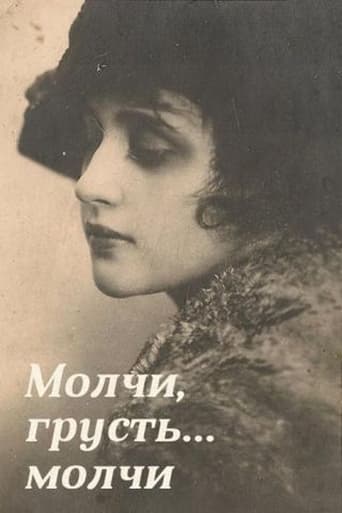
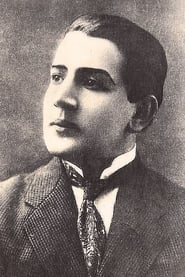
Ossip Runitsch was cast in silent films during the brief period of 1918. His career coincided with the turbulent final years of the Russian Empire and the early Soviet period, which significantly impacted the film industry. Runitsch appeared in at least two notable films in 1918: 'Be Silent, My Sorrow, Be Silent' and 'The Last Tango,' both of which reflected the dramatic and emotional storytelling style prevalent in Russian cinema of that era. His acting career was extremely brief, limited to just one year, suggesting he may have been affected by the political upheaval of the Russian Revolution or perhaps transitioned to other pursuits. Like many actors from this period, much of his work has been lost to time, with few surviving prints of his films. Runitsch represents the countless performers who contributed to early cinema but whose careers were cut short by historical circumstances beyond their control.
The Craft
On Screen
As a silent film actor of the Russian school, Runitsch likely employed the dramatic, expressive style typical of the era, using exaggerated gestures and facial expressions to convey emotion without dialogue. Russian silent cinema was known for its psychological depth and emotional intensity, and actors were trained to communicate complex inner states through physical performance.
Milestones
- Appeared in 'Be Silent, My Sorrow, Be Silent' (1918)
- Starred in 'The Last Tango' (1918)
- Worked during the transitional period of the Russian Revolution
Best Known For
Must-See Films
Why They Matter
Impact on Culture
Ossip Runitsch's cultural impact is primarily historical rather than artistic, as he represents the generation of Russian actors who worked during the dramatic transition from Imperial Russia to the Soviet era. His films, made in 1918, were created during. While his individual contribution may have been modest, he was part of the rich tradition of Russian silent cinema that would later influence filmmakers worldwide. The fact that his career was limited to 1918 speaks to how the Revolution disrupted the lives and careers of countless artists in Russia.
Lasting Legacy
Ossip Runitsch's legacy is that of a representative figure from a largely lost chapter of film history. Like many early Russian actors, most of his work has likely been lost, with few surviving prints of his films from 1918. He serves as a reminder of the countless performers who contributed to cinema's development but whose stories remain largely untold due to the passage of time and historical circumstances. His brief career exemplifies how political upheaval can abruptly end artistic careers and erase cultural contributions.
Who They Inspired
Given the brevity of his career and the obscurity of his surviving work, Ossip Runitsch's direct influence on subsequent generations of actors appears to be minimal. However, as part of the Russian silent film tradition, he contributed to an acting style and cinematic approach that would later influence international cinema. Russian silent film actors were known for their psychological depth and emotional intensity, elements that would later be adopted and adapted by filmmakers around the world.
Off Screen
Very little is known about Ossip Runitsch's personal life, which is typical for many actors from this period of Russian cinema. The historical records are sparse due to the political upheaval of the Russian Revolution and subsequent documentation challenges. His brief film career suggests he may have had other occupations or been forced to abandon acting due to the changing political landscape.
Did You Know?
- His entire known film career consists of just one year - 1918
- Both of his known films were made during the Russian Revolution
- The title 'Be Silent, My Sorrow, Be Silent' reflects the melodramatic style of Russian silent cinema
- His career coincided with the collapse of the Russian film industry due to political upheaval
- Like many Russian actors from this period, most biographical information about him has been lost
- The film 'The Last Tango' from 1918 should not be confused with the famous 1972 film of the same name
- His birth year of 1889 makes him a contemporary of other early Russian film pioneers
- The lack of surviving information about him is typical for actors who worked during this transitional period in Russian history
Frequently Asked Questions
Who was Ossip Runitsch?
Russian silent film with credits in this catalog.
What films is Ossip Runitsch best known for?
Titles linked here include Be Silent, My Sorrow, Be Silent (1918), The Last Tango (1918).
When was Ossip Runitsch born and when did he die?
Born 1889; died death date not listed.
What awards did Ossip Runitsch win?
There are no recorded awards or nominations for Ossip Runitsch, which is common for actors from this early period of cinema when formal award systems were not yet established.
What was Ossip Runitsch's acting style?
As a Russian silent film actor, Runitsch likely employed the dramatic, expressive style typical of the era, using exaggerated gestures and facial expressions to convey emotion in the absence of dialogue.
Why was Ossip Runitsch's career so brief?
Runitsch's career was limited to 1918, likely due to the political upheaval of the Russian Revolution which disrupted the film industry and forced many artists to abandon their careers or flee the country.