Films
2 films
About Giovanni Martino
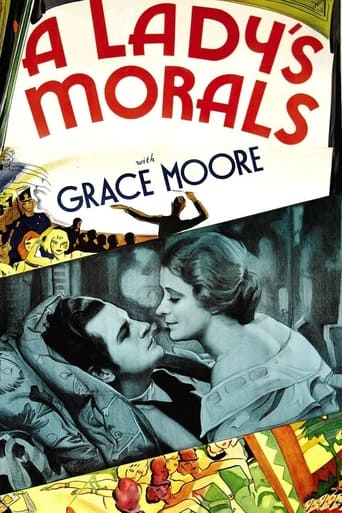
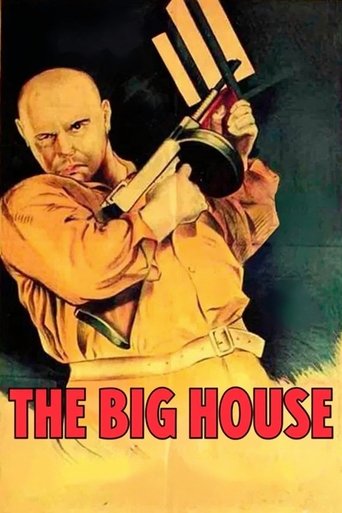
Made a brief but notable transition into Hollywood cinema during the early sound era. Born in Barcelona to Italian parents in 1884, he initially established himself as a premier operatic talent in Europe, making his professional debut in 1907 as Colline in 'La Bohème.' His powerful bass voice led him to the Metropolitan Opera in New York, where he performed in over 120 productions between 1919 and 1927, sharing the stage with legends like Enrico Caruso. In 1930, MGM recruited him to utilize his vocal prowess and commanding presence in early musical and dramatic 'talkies.' He is most recognized for his role as Zerga in 'A Lady's Morals' (1930), a biographical film about opera singer Jenny Lind, and for appearing in the Spanish-language version of the prison drama 'The Big House' (titled 'El presidio'). Although his film career was short-lived, Martino represented the wave of classical artists brought to Hollywood to elevate the prestige of the new sound medium.
The Craft
On Screen
Martino utilized a formal, operatic style of acting characterized by a commanding physical presence and a resonant, deep vocal delivery. His performances were often tailored to the 'grand' style required for early sound musicals and international versions of Hollywood films.
Milestones
- Professional operatic debut as Colline in 'La Bohème' at the Bosque Theater (1907)
- Became a principal bass at the Metropolitan Opera in New York (1919)
- Performed in over 122 recorded performances at the Met through 1927
- Cast by MGM in the high-profile musical 'A Lady's Morals' (1930)
- Appeared in 'El presidio', the Spanish-language version of the Oscar-winning 'The Big House' (1930)
Best Known For
Iconic Roles
Must-See Films
Accolades
Special Recognition
- Recognized as a principal artist of the Metropolitan Opera Golden Age
- Featured in the 'Forgotten Opera Singers' historical archives
Working Relationships
Worked Often With
Studios
Why They Matter
Impact on Culture
Giovanni Martino's transition from the Metropolitan Opera to MGM studios illustrates the 'prestige' era of early sound cinema, where Hollywood sought to validate the new technology by hiring world-class vocalists. His participation in multi-language versions of films like 'The Big House' highlights the industry's early attempts to reach global markets before dubbing became the standard practice. He bridged the gap between the elite world of grand opera and the burgeoning mass culture of the talking motion picture.
Lasting Legacy
Martino is remembered primarily as a significant figure in the history of the Metropolitan Opera, but his filmography serves as a vital record of the 'Talkie' revolution. He remains a person of interest for film historians studying the 'Foreign Language Version' (FLV) phenomenon of the early 1930s, where Hollywood produced simultaneous versions of films in different languages with alternate casts.
Who They Inspired
His presence influenced the casting trends of early 1930s musicals, encouraging studios to seek out authentic operatic talent rather than traditional stage actors for singing roles.
Off Screen
Martino was born into an artistic environment in Barcelona and maintained strong ties to the Italian operatic community throughout his life. After his tenure at the Metropolitan Opera and his brief foray into Hollywood, he continued to be involved in the international music scene.
Education
Studied music and vocal performance under Carnovell Villar in Barcelona.
Did You Know?
- He performed in the same era as Enrico Caruso at the Metropolitan Opera.
- He appeared in 'A Lady's Morals', which was a fictionalized biography of the 'Swedish Nightingale' Jenny Lind.
- Martino was part of the 'Spanish-language' Hollywood movement, acting in 'El presidio' for the Latin American market.
- His film 'A Lady's Morals' was also released in a French version titled 'Jenny Lind' in 1931.
- He is often confused with the American landscape painter of the same name who was active in Philadelphia.
Frequently Asked Questions
Who was Giovanni Martino?
Italian operatic bass and with credits in this catalog.
What films is Giovanni Martino best known for?
Titles linked here include A Lady's Morals (1930), The Big House (1930).
Was Giovanni Martino a real opera singer?
Yes, he was a highly respected bass who sang in over 120 performances at the Metropolitan Opera in New York between 1919 and 1927.
Why did Giovanni Martino only act in 1930?
Martino was primarily an opera singer; his film career was a brief stint during the early 'talkie' boom when studios were specifically looking for trained singers for new musical productions.
What was Giovanni Martino's acting style?
His style was formal and operatic, relying on his powerful vocal resonance and the disciplined physical presence common to stage performers of the early 20th century.