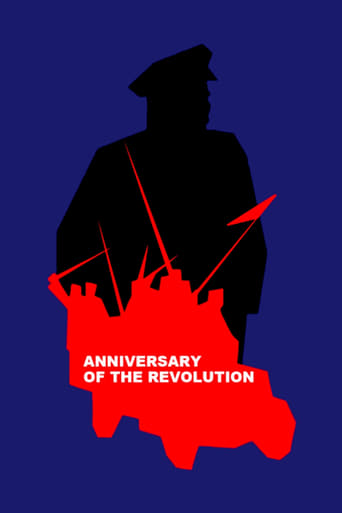
Films
1 film
About Andrei Manuilov
Actor in the very early days of Soviet cinema, appearing during the tumultuous period following the Russian Revolution of 1917. His only known film credit is 'Anniversary of the Revolution' (1918), which places him among the performers of the nascent Soviet film industry. This film was created during a time when the new Soviet government was beginning to recognize cinema as a powerful tool for political education and propaganda. Like many actors of this era, Manuilov's career was likely cut short by the immense social and political upheavals of the time, including the Russian Civil War that lasted from 1918 to 1922. The film industry itself was in chaos during these years, with many studios being nationalized and reorganized under Soviet control. Unfortunately, detailed records about individual actors from this period are extremely scarce, and much of Manuilov's personal story and career trajectory remains lost to history.
The Craft
Milestones
- Appeared in 'Anniversary of the Revolution' (1918), one of the earliest Soviet propaganda films
Best Known For
Must-See Films
Why They Matter
Impact on Culture
Andrei Manuilov represents the largely anonymous actors who formed the foundation of early Soviet cinema during its formative years. While his individual contribution may seem minimal with only one known film, he was part of a crucial historical moment when cinema was being transformed into a vehicle for revolutionary ideology. The film 'Anniversary of the Revolution' (1918) was among the first wave of Soviet propaganda films that would eventually evolve into the sophisticated cinematic works of directors like Eisenstein and Pudovkin. These early actors, though largely forgotten, were the pioneers who helped establish the visual language and performance styles that would define Soviet cinema for decades to come.
Lasting Legacy
Andrei Manuilov's legacy is primarily historical rather than artistic, serving as proof of the many forgotten performers who participated in cinema's earliest days in revolutionary Russia. His single known film credit places him among the first generation of actors working under the new Soviet system, a period that laid the groundwork for what would become. While he may not have achieved fame or lasting recognition, Manuilov and his contemporaries were essential contributors to the development of film as both art and political medium in the Soviet context.
Who They Inspired
Due to the extremely limited documentation of Andrei Manuilov's career and the fact that he appears to have had only one known film role, there is no evidence of direct influence on other actors or filmmakers. However, as an early participant in Soviet cinema, he was part of the foundational generation that established performance conventions in revolutionary-themed films, which would influence subsequent generations of Soviet actors working in politically charged cinema.
Off Screen
Very little is known about Andrei Manuilov's personal life, which is typical for actors from this very early period of Soviet cinema. Many records from this era were lost or destroyed during the subsequent decades of political upheaval, war, and social transformation in Russia.
Did You Know?
- Appeared in 'Anniversary of the Revolution' (1918), one of the earliest known Soviet propaganda films
- His entire known film career spans only one year (1918)
- The film he appeared in was created during the Russian Civil War, a period of extreme instability
- Many early Soviet films from this period have been lost, making his surviving credit historically significant
- Actors from this era often came from theater backgrounds, as film acting techniques were still being developed
- The film industry in 1918 Russia was undergoing rapid nationalization by the Bolshevik government
- Early Soviet actors often worked in extremely difficult conditions due to material shortages and political instability
Frequently Asked Questions
Who was Andrei Manuilov?
Screen credits include 'Anniversary of the Revolution' (1918), making him one of the performers in the nascent Soviet film industry during the period immediately following the Russian Revolution.
What films is Andrei Manuilov best known for?
Titles linked here include Anniversary of the Revolution (1918).
When was Andrei Manuilov active as an actor?
Andrei Manuilov's known acting career was confined to the year 1918, during which he appeared in his only documented film role.
Why is so little known about Andrei Manuilov?
Very little is known about Manuilov because he was active during the extremely turbulent period of the Russian Revolution and Civil War, when record-keeping was difficult and many historical documents were lost or destroyed in the ensuing decades of political upheaval.
What was the significance of 'Anniversary of the Revolution' (1918)?
The film was historically significant as one of the first Soviet propaganda films, representing the new Bolshevik government's early efforts to use cinema as a tool for political education and revolutionary messaging.
What was the film industry like in 1918 Russia?
The Russian film industry in 1918 was in complete upheaval, with studios being nationalized by the new Soviet government, production disrupted by the ongoing Civil War, and many filmmakers and actors struggling to continue working in extremely difficult conditions.