
Anatole Litvak
Director
Born: May 21, 1902 in Kyiv, Russian Empire (now Ukraine) Died: December 15, 1974 Active: 1925-1970 Birth Name: Anatole Mikhailovich Litvak
Films
1 film
About Anatole Litvak
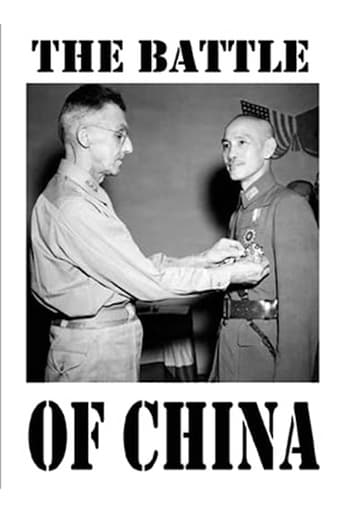
Russian-born film director who became one of Hollywood's most respected filmmakers during the Golden Age. Born in Kyiv in 1902, he began his career in German cinema during the 1920s before moving to France, where he directed several acclaimed films including the classic 'Mayerling'. Fleeing Nazi-occupied Europe in 1940, Litvak settled in Hollywood and quickly established himself as a director of sophisticated, psychologically complex films. During World War II, he contributed significantly to the war effort by directing propaganda films, including 'The Battle of China' as part of Frank Capra's 'Why We Fight' series. His post-war career included notable films like 'The Snake Pit', 'Sorry, Wrong Number', and 'Anastasia', showcasing his ability to work across multiple genres. Litvak was known for his technical innovation, visual sophistication, and ability to draw powerful performances from his actors. He received multiple Academy Award nominations and was respected internationally for his artistic vision and technical mastery.
The Craft
Behind the Camera
Litvak was known for his sophisticated visual storytelling, technical innovation, and psychological depth. His directing style combined European artistic sensibilities with Hollywood commercial appeal, featuring complex camera movements, dramatic lighting, and meticulous attention to detail. He excelled at creating tension and atmosphere, particularly in film noir and psychological dramas. Litvak's international background gave him a unique perspective, allowing him to bring a cosmopolitan sensibility to American cinema. He was particularly adept at handling ensemble casts and extracting nuanced performances from actors, often exploring themes of identity, trauma, and moral ambiguity.
Milestones
- Directed acclaimed European films 'Mayerling' (1936) and 'La Grande Illusion' collaborator
- Fled Nazi-occupied Europe and established successful Hollywood career
- Directed 'The Battle of China' (1944) for the 'Why We Fight' propaganda series
- Received Academy Award nominations for 'The Snake Pit' and 'Decision Before Dawn'
- Worked with Hollywood's biggest stars including Ingrid Bergman, Barbara Stanwyck, and Olivia de Havilland
Best Known For
Must-See Films
Accolades
Won
- New York Film Critics Circle Award for Best Director (1948) for 'The Snake Pit'
- Directors Guild of America Award for Outstanding Directorial Achievement in Motion Pictures (1951) nomination
- Venice Film Festival Volpi Cup for Best Actor (1951) for 'Decision Before Dawn' (as producer)
Nominated
- Academy Award for Best Director (1948) for 'The Snake Pit'
- Academy Award for Best Picture (1948) for 'The Snake Pit' (as producer)
- Academy Award for Best Director (1951) for 'Decision Before Dawn'
- Academy Award for Best Picture (1951) for 'Decision Before Dawn' (as producer)
- Golden Lion at Venice Film Festival (1951) for 'Decision Before Dawn'
Special Recognition
- Commander of the Order of the British Empire (CBE) for wartime services
- French Legion of Honour recipient
- Honored at multiple international film festivals including Cannes and Venice
- Retrospective exhibitions of his work at cinematheques worldwide
Working Relationships
Worked Often With
Studios
Why They Matter
Impact on Culture
Anatole Litvak significantly impacted both European and American cinema through his transnational career and artistic vision. As one of the few directors who successfully transitioned from European art cinema to Hollywood studio system, he brought sophisticated techniques and psychological depth to mainstream American films. His work on 'The Snake Pit' was groundbreaking in its portrayal of mental illness, helping to destigmatize psychiatric treatment and influencing public policy on mental healthcare. During WWII, his contributions to the 'Why We Fight' series helped shape American public opinion about the war effort. Litvak's international perspective and ability to work across cultural boundaries helped pave the way for other European directors in Hollywood, contributing to the globalization of American cinema.
Lasting Legacy
Anatole Litvak's legacy endures through his influential body of work that spans multiple genres and national cinemas. He is remembered as a director who brought European artistic sensibilities to Hollywood while maintaining commercial success. His films are studied for their technical innovation, particularly his use of camera movement and lighting to create psychological tension. 'The Snake Pit' remains a landmark film in the history of cinema's treatment of mental health issues. His wartime documentaries are considered classics of propaganda filmmaking that balanced artistic merit with educational purpose. Litvak's career demonstrates the possibilities of international collaboration in cinema and the value of diverse cultural perspectives in filmmaking. Today, film scholars recognize him as a crucial bridge between European and American cinema traditions.
Who They Inspired
Litvak influenced generations of filmmakers through his sophisticated visual style and psychological approach to storytelling. His work in film noir and psychological drama influenced directors like Alfred Hitchcock and Otto Preminger. His ability to create tension through visual rather than purely narrative means became a model for thriller directors. His international career path inspired later European directors like Fritz Lang, Billy Wilder, and William Wyler in their transitions to Hollywood. Litvak's technical innovations, particularly his use of deep focus and complex camera movements, influenced the visual language of cinema. His success in both European art cinema and Hollywood commercial films demonstrated that artistic integrity and popular success could coexist, influencing subsequent generations of directors seeking to balance artistic vision with commercial viability.
Off Screen
Anatole Litvak had a colorful personal life that included marriages to several prominent women in the entertainment industry. His first marriage was to German actress Natalia Baranova, followed by a marriage to American actress Miriam Hopkins in 1937, though they divorced in 1939. During World War II, he served in the U.S. Army Signal Corps, where he made documentary films and was awarded the Legion of Merit for his service. He later married Betty Warner, daughter of Warner Bros. Studio head Harry Warner, in 1955. Litvak was known for his cosmopolitan lifestyle, fluency in multiple languages, and his ability to navigate different cultural environments, which greatly influenced his filmmaking perspective.
Education
Studied at Saint Petersburg State University before pursuing film career in Germany
Family
- Natalia Baranova (1925-1935)
- Miriam Hopkins (1937-1939)
- Betty Warner (1955-1974)
Did You Know?
- Spoke five languages fluently: Russian, German, French, English, and Italian
- Served in the U.S. Army during WWII and was awarded the Legion of Merit
- Was one of the few directors to work successfully in both German and French cinema before coming to Hollywood
- His film 'The Snake Pit' was instrumental in reforming mental health institutions in several U.S. States
- Was married to Miriam Hopkins, one of Hollywood's most prominent actresses of the 1930s
- His third marriage to Betty Warner made him part of the Warner Bros. Studio family
- Directed films in five different countries and four different languages
- Was nominated for the Academy Award for Best Director twice in three years
- His film 'Mayerling' was remade multiple times, most famously starring Omar Sharif and Catherine Deneuve
- Worked as an assistant director to G.W. Pabst early in his career
- Was friends with many European intellectual refugees in Hollywood, including Thomas Mann and Bertolt Brecht
In Their Own Words
The camera should be an eye that sees everything but judges nothing.
In cinema, as in life, the truth is often found in the shadows.
A director must be both a psychologist and a poet, understanding human nature while creating beauty.
The best films are those that entertain while they educate, move while they think.
International cinema is not about different languages, but about universal human emotions.
Frequently Asked Questions
Who was Anatole Litvak?
Russian-born on YTB.my. He was known for sophisticated psychological dramas and technical innovation, directing acclaimed films like 'The Snake Pit' and contributing to WWII propaganda films.
What films is Anatole Litvak best known for?
Titles linked here include Mayerling (1936), The Snake Pit (1948).
When was Anatole Litvak born and when did he die?
Born May 21, 1902; died December 15, 1974.
What awards did Anatole Litvak win?
Litvak won the New York Film Critics Circle Award for Best Director for 'The Snake Pit' and received multiple Academy Award nominations for Best Director and Best Picture. He also received military honors including the Legion of Merit for his WWII service and was appointed Commander of the Order of the British Empire.
What was Anatole Litvak's directing style?
Litvak's directing style combined European artistic sophistication with Hollywood commercial appeal, featuring sophisticated visual storytelling, psychological depth, and technical innovation. He excelled at creating atmosphere and tension, particularly in psychological dramas and film noir, using complex camera movements and dramatic lighting.
How did Anatole Litvak contribute to WWII?
Litvak served in the U.S. Army Signal Corps during WWII, where he directed documentary films including 'The Battle of China' as part of Frank Capra's 'Why We Fight' series. He was awarded the Legion of Merit for his wartime service and contributions to the war effort through propaganda filmmaking.