Films
1 film
About Chin Shee
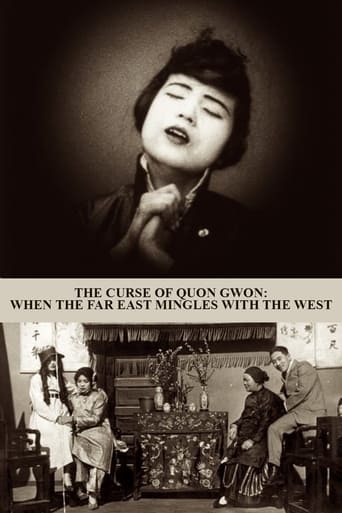
Chin Shee worked on one surviving credit: The Curse of Quon Gwon: When the Far East Mingles with the West (1916). Most notably in the 1916 film 'The Curse of Quon Gwon: When the Far East Mingles with the West.' This film was historically significant as it was produced by the Chinese-American Film Company in Oakland, California, and is believed to be one of the earliest feature films made by Chinese-American filmmakers. Unfortunately, due to the limited documentation of early Chinese-American cinema and the film being lost for decades, very little detailed information survives about Chin Shee's life and career beyond this single credited role. Chin Shee was part of a effort to create authentic Chinese-American stories during a time when Asian actors were typically relegated to stereotypical roles in mainstream Hollywood productions.
The Craft
Milestones
- Appeared in 'The Curse of Quon Gwon' (1916), one of the earliest Chinese-American feature films
Best Known For
Iconic Roles
Must-See Films
Working Relationships
Worked Often With
Studios
Why They Matter
Impact on Culture
Chin Shee, as part of the cast of 'The Curse of Quon Gwon,' contributed to a landmark moment in cinema history as one of the early Chinese-American actors working in an authentic Chinese-American production. This film represented a significant departure from the stereotypical portrayals of Asians in mainstream Hollywood cinema of the era, offering instead a genuine cultural perspective. The participation of actors like Chin Shee in such projects helped lay groundwork for future Asian-American representation in film, even though their individual contributions were largely overlooked by contemporary mainstream audiences and film historians.
Lasting Legacy
Chin Shee's legacy is intrinsically tied to the historical significance of 'The Curse of Quon Gwon,' which was rediscovered decades after its production and added to the National Film Registry in 2006 for its cultural and historical importance. While the actor's individual career may have been brief and undocumented, their participation in this groundbreaking film represents the broader legacy of early Chinese-American filmmakers and performers who struggled to create authentic representations of their culture during a period of widespread discrimination and stereotyping in American cinema.
Who They Inspired
Due to the limited documentation of Chin Shee's career and the obscurity of early Chinese-American cinema, specific influences on other performers cannot be definitively traced. However, as part of this film, Chin Shee contributed to the early foundation of Asian-American cinema that would eventually influence generations of Asian-American filmmakers and actors seeking authentic representation in Hollywood.
Off Screen
Very little personal information is available about Chin Shee due to the limited documentation of early Chinese-American film actors and the historical marginalization of Asian performers in early Hollywood records.
Did You Know?
- Appeared in what is believed to be one of the earliest Chinese-American feature films ever produced
- The film 'The Curse of Quon Gwon' was lost for over 80 years before being rediscovered
- The film was produced by the Chinese-American Film Company in Oakland, California
- The film was directed by Marion Wong, one of the first Chinese-American women directors
- The film was added to the National Film Registry in 2006 for its cultural significance
- Only portions of the original film survive today
- The film was created at a time when Asian actors were rarely given leading roles in mainstream Hollywood
- The production represented a rare instance of Chinese-Americans telling their own stories in early cinema
Frequently Asked Questions
Who was Chin Shee?
Chinese-American with credits in this catalog.
What films is Chin Shee best known for?
Titles linked here include The Curse of Quon Gwon: When the Far East Mingles with the West (1916).
When was Chin Shee born and when did they die?
Unfortunately, specific birth and death dates for Chin Shee are not available in historical records, which is common for many early Chinese-American film actors due to limited documentation of the era.
What awards did Chin Shee win?
No individual awards for Chin Shee are documented, though the film they appeared in, 'The Curse of Quon Gwon,' was later recognized for its historical significance when it was added to the National Film Registry in 2006.
What was Chin Shee's acting style?
Due to the loss of the complete film and limited documentation, specific details about Chin Shee's acting style are not available, though they would have employed the typical silent film acting techniques of the era.
Why is 'The Curse of Quon Gwon' historically significant?
The film is historically significant as it represents one of the earliest attempts by Chinese-Americans to tell their own stories on film, created during a time when Asian performers were typically marginalized or stereotyped in mainstream Hollywood productions.