Rudolf Breslauer
Director
Born: March 4, 1903 in Leipzig, Germany Died: February 28, 1945 Active: 1942-1944 (filming period), 1950 (posthumous compilation release) Birth Name: Rudolf Werner Breslauer
Films
1 film
About Rudolf Breslauer
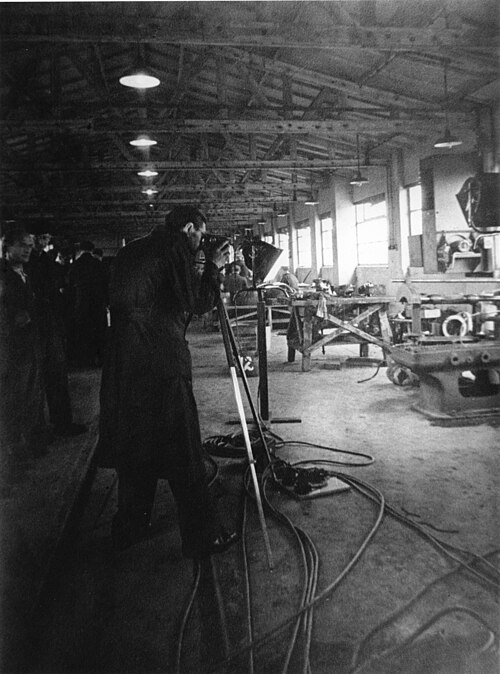
Jewish German-Dutch photographer and filmmaker who became documentarians of the Holocaust era. Born in Germany, he fled to the Netherlands with his family to escape Nazi persecution. While imprisoned at the Westerbork transit camp in the Netherlands, he was appointed by camp commander Albert Gemmeker to document daily life through photography and film, creating what would become visual records of a Nazi transit camp. His footage, shot between 1942 and 1944, captured both the mundane routines and the tragic deportations of Jewish prisoners to concentration camps. Breslauer's work was unique because he had unprecedented access to film inside a Nazi camp, though he was forced to follow the camp commandant's instructions. After being deported himself to Bergen-Belsen and later Theresienstadt, he survived the war but his health was severely compromised. His footage was discovered after the war and later compiled into what became known as the Westerborkfilm, providing invaluable historical documentation of Holocaust atrocities. Breslauer died in 1945, shortly after liberation, never seeing the historical impact his work would have on Holocaust remembrance and education.
The Craft
Behind the Camera
Observational documentary style with forced perspective - Breslauer employed a straightforward, observational approach to filming, capturing both staged scenes for Nazi propaganda purposes and candid moments of camp life. His work demonstrates remarkable technical skill under extreme duress, using available light and limited equipment to create a comprehensive visual record. Despite being forced to follow Nazi directives, his footage contains subtle documentation of the human suffering and resilience within the camp.
Milestones
- Documented daily life at Westerbork transit camp (1942-1944)
- Created the only known moving images of a Nazi transit camp during operation
- His footage survived the war and became crucial Holocaust documentation
- Posthumously recognized as
Best Known For
Iconic Roles
Must-See Films
Accolades
Won
- Posthumous recognition as Holocaust documentarian
- Included in UNESCO Memory of the World Register (as part of Westerbork documentation)
Special Recognition
- His work is preserved in major Holocaust museums worldwide
- Featured in the United States Holocaust Memorial Museum permanent collection
- Archived at the Netherlands Institute for Sound and Vision
Working Relationships
Worked Often With
Why They Matter
Impact on Culture
Rudolf Breslauer's Westerborkfilm represents. His footage has been used in countless documentaries, educational programs, and museum exhibitions worldwide, becoming an essential primary source for Holocaust education. The film serves as both historical evidence and a memorial to those who passed through Westerbork, including Anne Frank and her family. Breslauer's work has influenced how subsequent generations understand and visualize the Holocaust, moving beyond statistics to human faces and daily routines.
Lasting Legacy
Rudolf Breslauer's legacy is defined by his unintentional role as one of the Holocaust's most important documentarians. His footage provides irreplaceable evidence of Nazi crimes and has become a cornerstone of Holocaust remembrance. The Westerborkfilm is studied by historians, filmmakers, and educators as a unique example of documentary filmmaking under extreme circumstances. Breslauer's work demonstrates how art and documentation can emerge even from the darkest chapters of human history, serving as both evidence and memorial. His images continue to speak to new generations about the importance of bearing witness to history.
Who They Inspired
Breslauer's documentary approach has influenced subsequent generations of documentary filmmakers working in difficult circumstances. His ability to capture both the mundane and the horrific within the same frames has become a reference point for filmmakers dealing with trauma and historical documentation. The Westerborkfilm has influenced how Holocaust documentaries are structured, emphasizing the importance of showing daily life alongside atrocities to humanize victims. His work demonstrates how forced documentation can still contain authentic moments of truth, influencing ethical discussions about documentary filmmaking under duress.
Off Screen
Rudolf Breslauer married Bella Weihsmann and had three children: Stephan, Mischa, and Ursula. The family fled from Germany to the Netherlands in 1939 to escape Nazi persecution. They were eventually arrested and sent to Westerbork transit camp in 1942. His photographic skills likely saved his family temporarily, as his work documenting the camp made him valuable to the Nazi administration. Despite this temporary protection, the family was eventually deported - Rudolf and his wife to different camps, and their children to various locations. Only his son Stephan survived the war.
Education
Trained as a professional photographer and filmmaker in Germany before the war
Family
- Bella Weihsmann (married until 1944, both deported separately)
Did You Know?
- The Westerborkfilm includes the only known moving images of Anne Frank
- Breslauer filmed over 80 hours of footage, though only fragments survive
- He used a 35mm camera, rare for someone in his position
- His footage shows both the arrival and departure of transport trains to Auschwitz and other camps
- The film includes scenes of cultural performances staged by prisoners
- Breslauer was allowed special privileges due to his role as camp photographer
- His work was initially intended for Nazi propaganda purposes
- The footage was discovered hidden in the camp after liberation
- Only about 15 minutes of his original footage is known to survive
- His documentation includes rare footage of the SS camp administration
In Their Own Words
(No direct quotes from Breslauer survive, but his footage speaks for itself in documenting 'This is what happened here')
Frequently Asked Questions
Who was Rudolf Breslauer?
German-Dutch Jewish photographer and filmmaker who documented daily life at the Westerbork transit camp during World War II, creating.
What is the Westerborkfilm?
The Westerborkfilm is a compilation of footage shot by Rudolf Breslauer between 1942-1944 at the Westerbork transit camp, showing daily routines, cultural activities, and deportations of Jewish prisoners to concentration camps.
When was Rudolf Breslauer born and when did he die?
Born March 4, 1903; died February 28, 1945.
Did Rudolf Breslauer film Anne Frank?
Yes, Breslauer's footage includes the only known moving images of Anne Frank, captured as she looked out from a balcony of a departing transport train from Westerbork on May 19, 1944.
How did Breslauer survive long enough to document the camp?
Breslauer's photographic skills made him valuable to the camp commandant, who appointed him as the official camp photographer, granting him temporary protection from deportation while he documented camp activities.
What happened to Breslauer's family?
Breslauer's wife Bella was deported to a different camp, and their three children were sent to various locations. Only their son Stephan survived the war; Rudolf, Bella, and their two younger children all perished.
Why is Breslauer's footage historically significant?
Breslauer's footage is the only known moving image documentation of a Nazi transit camp during operation, providing invaluable evidence of Holocaust atrocities and daily life in the camps that has been essential for education and remembrance.