Films
1 film
About Max Kannewasser
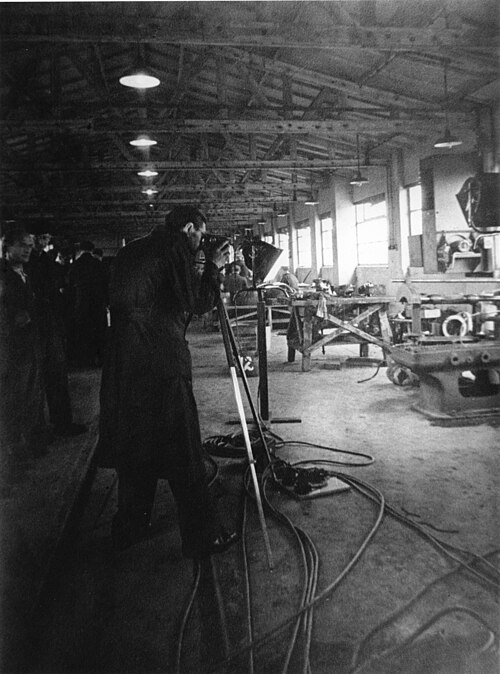
Max Kannewasser worked on Westerborkfilm in 1950, a documentary work related to the Westerbork transit camp in the Netherlands during World War II. Very limited information is available about his life and career beyond this single appearance, suggesting he was not a professional actor in the traditional sense but rather someone involved in documenting or recreating events related to the Holocaust. The Westerborkfilm itself was significant as it provided rare visual documentation of life in a Nazi transit camp, though the 1950 version may have been a compilation or post-war production using original footage. Kannewasser's participation appears to have been a singular occurrence rather than part of an ongoing acting career. The historical context of his involvement suggests he may have been a survivor, witness, or participant in recreations of camp life for documentary purposes. His legacy is tied primarily to this important historical documentation rather than to any broader entertainment career.
The Craft
Milestones
- Appearance in Westerborkfilm (1950)
Best Known For
Must-See Films
Why They Matter
Impact on Culture
Max Kannewasser's cultural impact is primarily tied to his participation in the Westerborkfilm, an important historical documentary that provided visual documentation of the Westerbork transit camp during World War II. While his individual contribution may have been limited, the film itself serves as a crucial historical record of Holocaust experiences, helping to preserve memory and educate future generations about the atrocities committed during this period. The inclusion of individuals like Kannewasser in such documentaries represents the broader effort to document and bear witness to historical events that might otherwise be forgotten.
Lasting Legacy
Max Kannewasser's legacy is intrinsically linked to the historical documentation of the Holocaust through the Westerborkfilm. While not a traditional cinema personality, his participation contributes to the preservation of historical memory and serves as a reminder of the importance of documenting traumatic events for future generations. His appearance, however brief or minor, becomes part of the larger tapestry of Holocaust remembrance and education.
Who They Inspired
As someone who appeared in historical documentary footage rather than a traditional filmmaker or actor, Max Kannewasser's influence is primarily archival rather than artistic. His contribution lies in helping to preserve authentic historical documentation that continues to inform and educate audiences about Holocaust history decades later.
Off Screen
Very limited information is available about Max Kannewasser's personal life. His appearance in the Westerborkfilm suggests he may have had some connection to the events documented in the film, though the exact nature of this connection remains unclear.
Did You Know?
- Appeared in Westerborkfilm (1950), a documentary about the Westerbork transit camp
- The original Westerbork footage was shot in 1944 during WWII
- The 1950 film may have been a compilation or post-war production
- Very little biographical information exists about him beyond this film appearance
- His involvement suggests a personal connection to the documented events
- Not a professional actor in the traditional entertainment industry sense
- His contribution is primarily historical rather than artistic
Frequently Asked Questions
Who was Max Kannewasser?
Screen credits include the Westerborkfilm in 1950. Very little is known about him beyond this single documentary appearance, suggesting he was not a professional actor but rather someone involved in documenting historical events related to the Westerbork transit camp during World War II.
What films is Max Kannewasser best known for?
Titles linked here include Westerborkfilm (1950).
When was Max Kannewasser born and when did he die?
Birth and death dates for Max Kannewasser are not available in historical records. The limited information about him suggests he was not a public figure in the traditional sense, and biographical details remain undocumented.
What awards did Max Kannewasser win?
No awards or nominations have been recorded for Max Kannewasser. His contribution was primarily historical rather than artistic, and he did not participate in the traditional entertainment industry award circuit.
What was Max Kannewasser's connection to the Westerborkfilm?
Max Kannewasser appeared in the Westerborkfilm (1950), which documented events at the Westerbork transit camp during WWII. His exact role or connection to the events remains unclear, but his participation suggests he may have been a survivor, witness, or participant in historical recreations for documentary purposes.