Films
1 film
About Nol van Wesel
Nol van Wesel performed in historically significant Westerborkfilm, a documentary filmed at the Westerbork transit camp in the Netherlands during World War II. While his filmography consists of only this single appearance, his presence in this important historical document provides a glimpse into the lives of those who passed through the camp. The Westerborkfilm, shot in 1944 but processed and released later, captured daily life at the Nazi transit camp where Dutch Jews and others were held before being deported to concentration camps. Van Wesel's appearance in the film represents one of the few visual records of individuals who experienced this tragic period of history. Very little is known about his personal life or career beyond this single documented appearance, suggesting he was likely not a professional actor but rather one of the camp's residents or workers. His contribution to cinema history lies primarily in the historical significance of the Westerborkfilm itself, which has become an essential document for understanding the Holocaust in the Netherlands.
The Craft
Milestones
- Appearance in the Westerborkfilm (1950), a historically significant documentary about the Westerbork transit camp
Best Known For
Iconic Roles
Must-See Films
Why They Matter
Impact on Culture
Nol van Wesel's cultural impact is intrinsically linked to the Westerborkfilm,. The film provides invaluable historical documentation of daily life at the Westerbork transit camp, where over 100,000 Dutch Jews and others were held before deportation to Nazi concentration camps. His appearance, along with those of others in the film, serves as a powerful reminder of the individual lives affected by the Holocaust, moving beyond statistics to human faces and experiences. The film has been used extensively in historical education, museum exhibitions, and Holocaust memorialization efforts, making every person documented in it, including van Wesel, part of this crucial historical record.
Lasting Legacy
Nol van Wesel's legacy is preserved through his appearance in. While he may not have had a traditional film career, his contribution to historical documentation is immeasurable. The Westerborkfilm continues to be studied by historians, educators, and filmmakers as a primary source document of the Holocaust. His image shows the importance of preserving visual records of historical atrocities, ensuring that future generations can witness the reality of these events through the faces of those who lived through them.
Who They Inspired
As a non-professional actor appearing in historical documentation, Nol van Wesel's influence lies primarily in the educational and historical impact of the Westerborkfilm rather than artistic influence on cinema. The film has influenced countless documentaries, educational programs, and historical research about the Holocaust. His presence in the film contributes to the powerful authenticity that has made the Westerborkfilm such an enduring and influential historical document, affecting how subsequent generations understand and remember this period of history.
Off Screen
Very limited information is available about Nol van Wesel's personal life. Given his appearance in the Westerborkfilm, he was likely either a prisoner, worker, or had some connection to the Westerbork transit camp during World War II. The lack of additional film credits or biographical information suggests he was not a professional actor but rather an ordinary person captured in this historical documentation.
Did You Know?
- The Westerborkfilm was actually shot in 1944 but was only processed and released years later
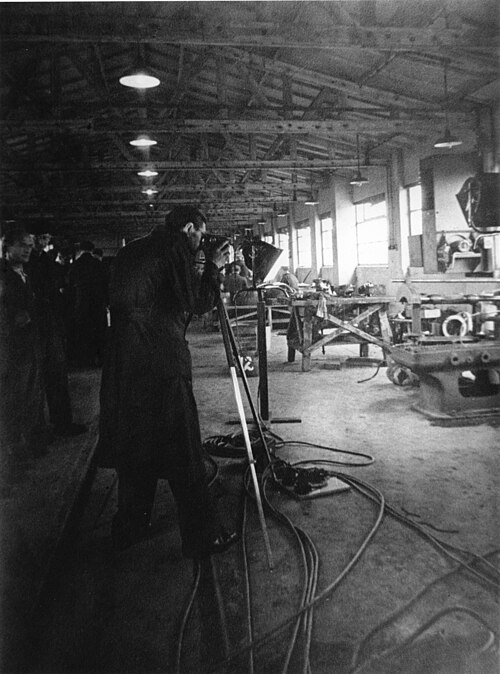
- The film was shot by Werner Rudolf Breslauer under orders from camp commandant Albert Gemmeker
- Only a few minutes of the original footage survive today
- The Westerborkfilm is one of the few moving image records of a Nazi transit camp in operation
- Van Wesel appears alongside other camp residents in this rare historical documentation
- The film shows both the mundane daily routines and the traumatic deportations from the camp
- Westerbork camp held over 100,000 people during its operation, with most deported to extermination camps
- The surviving footage has been preserved and digitized by Dutch archives for historical purposes
Frequently Asked Questions
Who was Nol van Wesel?
Screen credits include the Westerborkfilm, a historically significant documentary filmed at the Westerbork transit camp during World War II. He appears to have been an ordinary person rather than a professional actor, captured in this important historical document that shows daily life at the Nazi transit camp.
What films is Nol van Wesel best known for?
Titles linked here include Westerborkfilm (1950).
When was Nol van Wesel born and when did he die?
Unfortunately, specific birth and death dates for Nol van Wesel are not available in historical records. The limited information about him comes primarily from his appearance in the Westerborkfilm, which was shot in 1944 but released later.
What awards did Nol van Wesel win?
Nol van Wesel did not receive any formal awards or nominations for his appearance in the Westerborkfilm. However, the film itself has been recognized as a crucial historical document of the Holocaust, though this recognition applies to the film's historical importance rather than cinematic awards.
What was the significance of the Westerborkfilm?
The Westerborkfilm is historically significant as one of the few moving image records of a Nazi transit camp in operation during the Holocaust. Shot in 1944 at the Westerbork camp in the Netherlands, it provides invaluable documentation of daily life and deportations, serving as an essential resource for historians and educators studying this period.
How does Nol van Wesel's appearance contribute to Holocaust documentation?
Van Wesel's appearance in the Westerborkfilm helps humanize the historical record by showing individual faces of those who experienced the Holocaust. His presence, along with others in the film, transforms statistics into human stories, making the historical reality more immediate and personal for viewers and researchers.