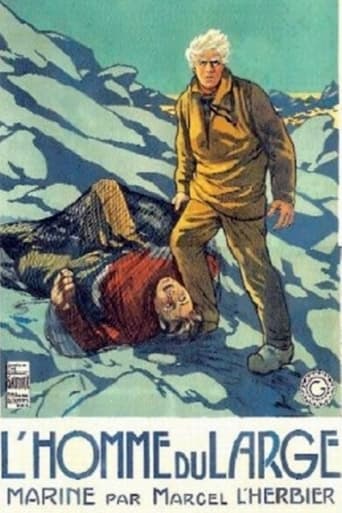
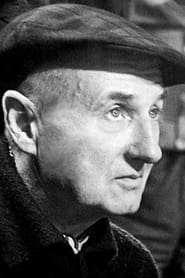
Claude Autant-Lara
Actor
Born: August 5, 1901 in Paris, France Died: February 5, 2000 Active: 1928-1977
Films
1 film
About Claude Autant-Lara
Prominent French film director who began his career in the silent era and became successful and controversial filmmakers in French cinema history. Born into an artistic family, he initially studied architecture before transitioning to film, working as an assistant director and art director in the 1920s. His directorial debut came with the avant-garde silent film 'Fleur d'Oranger' (1928), showcasing his early artistic ambitions. Autant-Lara rose to international prominence in the 1930s and 1940s with adaptations of literary works, particularly 'Le Diable au corps' (1947) and 'Le Blé en herbe' (1954), which established his reputation for sophisticated literary adaptations. During World War II, he continued working in France, a decision that later drew criticism. His over five decades, during which he directed more than 40 films and received multiple Academy Award nominations. In his later years, he became controversial for his far-right political views, particularly his Holocaust denial statements, which tarnished his legacy as a filmmaker.
The Craft
Milestones
- Directed 'Le Diable au corps' (1947)
- Academy Award nomination for Best Foreign Language Film for 'The Red and the Black' (1954)
- Directed 'Le Blé en herbe' (1954)
- Member of European Parliament (1989-1994)
- Pioneer of French literary adaptations
Best Known For
Must-See Films
Accolades
Won
- Venice Film Festival Volpi Cup for Best Actor (for Michel Morgan in 'Le Diable au corps') (1947)
- Best Director at the Locarno International Film Festival for 'Le Diable au corps' (1947)
- Best Director at the Mar del Plata International Film Festival for 'Le Blé en herbe' (1954)
Nominated
- Academy Award for Best Foreign Language Film for 'The Red and the Black' (1954)
- Academy Award for Best Foreign Language Film for 'Le Blé en herbe' (1954)
- Academy Award for Best Writing, Motion Picture Story for 'The Little World of Don Camillo' (1952)
Special Recognition
- Commander of the Legion of Honour (later revoked due to political controversies)
- Member of the Académie des Beaux-Arts (elected 1989)
Working Relationships
Worked Often With
Studios
Why They Matter
Impact on Culture
Claude Autant-Lara significantly shaped French cinema's approach to literary adaptation during the mid-20th century. His films helped establish a tradition of sophisticated, psychologically nuanced adaptations that influenced generations of French filmmakers. His work during the 1940s and 1950s represented the peak of French cinema's classical period, blending artistic merit with popular appeal. However, his legacy became complicated by his later political activities, which sparked debates about separating art from the artist in French cultural discourse.
Lasting Legacy
Autant-Lara's legacy in cinema history is complex and controversial. As a director, he created some of the most important French films of the mid-20th century, particularly known for their literary sophistication and psychological depth. His adaptation techniques influenced how French cinema approached literary works for decades. However, his later political activities, including Holocaust denial statements, have significantly complicated his historical reputation, leading to ongoing debates about his place in French cultural history.
Who They Inspired
His approach to literary adaptation influenced numerous French directors, including Alain Resnais and François Truffaut, though the latter was critical of his traditional style. His emphasis on psychological realism and social commentary in adaptations became a model for French cinema's approach to literary works. His techniques for transforming complex novels into accessible yet sophisticated films influenced generations of European filmmakers working with literary source material.
Off Screen
Claude Autant-Lara was married twice and had two children. His personal life was marked by his artistic upbringing and later political controversies. He came from a family of artists - his mother was the actress Louise Lara and his father was the architect Édouard Autant. His later years were overshadowed by his controversial political statements and Holocaust denial claims, which led to his expulsion from the Académie des Beaux-Arts in 1996.
Education
Studied architecture at the École des Beaux-Arts in Paris, later studied film under Marcel L'Herbier
Family
- Ghislaine Auboin (1935-1965)
- Odette Carcassonne (1966-2000)
Did You Know?
- He was expelled from the Académie des Beaux-Arts in 1996 for Holocaust denial statements
- His mother was actress Louise Lara and his father was architect Édouard Autant
- He served as a Member of the European Parliament for the far-right National Front party from 1989-1994
- His film 'The Red and the Black' was nominated for an Oscar but lost to 'La Strada'
- He was
- His early career included work as an art director and costume designer
- He was a vocal critic of the French New Wave directors in the 1960s
- His 1928 debut film 'Fleur d'Oranger' was an experimental avant-garde work
- He was one of the few French directors to successfully transition from silent films to sound films
- His films often featured controversial themes for their time, including sexuality and social criticism
In Their Own Words
The cinema is not an art, it's an industry
I have always preferred to adapt great literature rather than work with original screenplays
The New Wave directors destroyed French cinema with their amateurish techniques
A film should be faithful to the spirit of the book, not necessarily to its letter
Frequently Asked Questions
Who was Claude Autant-Lara?
Prominent French on YTB.my. He directed over 40 films and received multiple Academy Award nominations, particularly for works like 'Le Diable au corps' and 'The Red and the Black'.
What films is Claude Autant-Lara best known for?
Titles linked here include Le Diable au corps (1947), The Red and the Black (Le Rouge et le Noir) (1954).
When was Claude Autant-Lara born and when did he die?
Born August 5, 1901; died February 5, 2000.
What awards did Claude Autant-Lara win?
He received three Academy Award nominations for Best Foreign Language Film, won the Venice Film Festival Volpi Cup, and received Best Director awards at Locarno and Mar del Plata film festivals. He was also named a Commander of the Legion of Honour, though this was later revoked due to political controversies.
What was Claude Autant-Lara's directing style?
His directing style emphasized meticulous literary adaptations, psychological realism, and social commentary. He was known for his careful attention to period detail and his ability to transform complex novels into sophisticated cinematic narratives while maintaining their thematic depth.
Why is Claude Autant-Lara controversial?
In his later years, Autant-Lara became associated with far-right politics and made Holocaust denial statements, leading to his expulsion from the Académie des Beaux-Arts in 1996. He served as a Member of the European Parliament for the National Front party, which significantly damaged his cultural legacy.
How did Claude Autant-Lara influence French cinema?
He established a model for literary adaptation that influenced generations of French filmmakers, particularly in balancing artistic merit with popular appeal. His techniques for transforming complex novels into accessible yet sophisticated films became influential in European cinema's approach to literary source material.