No Poster
Films
1 film
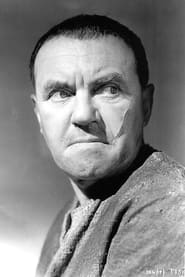
About George Hayes
George Hayes appeared in 1913 adaptation of Shakespeare's Hamlet, directed by Hay Plumb for the British company Hepworth. His career was notably brief, spanning only the year 1913, which was common for many actors in the earliest days of cinema when film work was often sporadic and theatrical careers remained primary. Hayes was part of a generation of performers transitioning from stage to the new medium of motion pictures during cinema's formative years. The 1913 Hamlet was one of the earliest feature-length Shakespeare adaptations and represented a significant artistic achievement for British cinema of that era. While details about Hayes' broader career are scarce, his participation in this important early film places him among the actors who helped establish the foundation for narrative cinema. His work exemplifies the theatrical acting style typical of early silent films, where performers brought stage techniques to the screen before the development of more naturalistic film acting methods.
The Craft
On Screen
Theatrical and stage-influenced, typical of early silent era performers who brought dramatic stage techniques to film before the development of more naturalistic cinematic acting methods
Milestones
- Appeared in the 1913 British film adaptation of Hamlet
- Participated in one of the earliest feature-length Shakespeare films
- Contributed to early British cinema during its formative period
Best Known For
Iconic Roles
Must-See Films
Working Relationships
Worked Often With
Studios
Why They Matter
Impact on Culture
George Hayes, though his career was brief, contributed to the important cultural milestone of bringing Shakespeare to the early silver screen. His participation in the 1913 Hamlet represented the growing ambition of early filmmakers to adapt prestigious literary works for cinema, helping to establish film as a legitimate artistic medium capable of handling complex dramatic material. This early adaptation paved the way for future Shakespearean films and demonstrated that classical theater could find new life through motion pictures.
Lasting Legacy
George Hayes' legacy is tied to his participation in one of cinema's earliest attempts to adapt Shakespeare's work, representing the transitional period when theatrical performers were exploring the possibilities of the new film medium. While his individual contribution may seem small, he was part of a collective effort that helped establish the foundation for bringing classical literature to cinema. The 1913 Hamlet stands as an important artifact from early British film history, and Hayes' role in it places him among the pioneers of narrative filmmaking.
Who They Inspired
As an actor from cinema's earliest days, George Hayes' direct influence on later performers is difficult to trace, but he was part of the generation that helped establish acting conventions for silent film. The theatrical approach he and his contemporaries used would eventually evolve into more film-specific techniques as the medium developed its own artistic language.
Off Screen
Very little information is available about George Hayes' personal life, which is typical of many early film actors whose careers were brief and occurred before comprehensive film industry documentation became standard practice.
Did You Know?
- The 1913 Hamlet film he appeared in was one of the earliest feature-length Shakespeare adaptations
- The film was directed by Hay Plumb for the Hepworth Manufacturing Company
- 1913 was very early in cinema history, making Hayes a true pioneer of film acting
- The film was a British production, during a period when British cinema was establishing itself
- Silent film actors from this era often had theatrical backgrounds
- Complete records of many early film actors from this period are scarce
- The film represented an ambitious attempt to bring high culture to mass entertainment
- Early Shakespeare films like this one helped legitimize cinema as an art form
Frequently Asked Questions
Who was George Hayes?
Screen credits include the 1913 British film adaptation of Shakespeare's Hamlet. His career was notably brief, spanning only the year 1913, placing him among the actors of cinema's formative years.
What films is George Hayes best known for?
Titles linked here include Hamlet (1913).
When was George Hayes born and when did he die?
Specific birth and death dates for George Hayes are not available in historical records, which is common for many early film actors whose careers were brief and occurred before comprehensive film industry documentation.
What awards did George Hayes win?
George Hayes did not receive any known awards or nominations, which was typical for actors in 1913 as the formal award systems for cinema, including the Academy Awards, would not be established for many more years.
What was George Hayes' acting style?
George Hayes' acting style would have been theatrical and stage-influenced, typical of early silent era performers. This approach involved exaggerated gestures and expressions to convey emotion without sound, before the development of more naturalistic film acting techniques.