Films
1 film
About Jack Sankadota
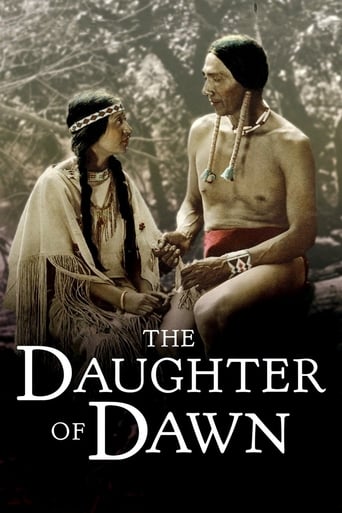
Jack Sankadota appeared in 1920 silent film 'The Daughter of Dawn. ' As a member of the cast in this historically significant production, he participated in one of the earliest films to feature an entirely Native American cast telling their own stories. The film was shot on location in the Wichita Mountains of Oklahoma with members of the Comanche and Kiowa tribes, including Sankadota. Like many of his fellow cast members, he was likely not a professional actor but rather a tribal member selected to participate in this ambitious project. The film was considered lost for decades until its rediscovery in 2005, bringing renewed attention to its cast members. Sankadota's contribution to cinema, while brief, represents an important moment in film history where Native Americans were given the opportunity to portray themselves on screen rather than being played by white actors in makeup.
The Craft
Milestones
- Appeared in 'The Daughter of Dawn' (1920), one of the first films with an all-Native American cast
Best Known For
Must-See Films
Why They Matter
Impact on Culture
Jack Sankadota's participation in 'The Daughter of Dawn' represents a significant moment in early cinema history, as the film was one of the first to feature an entirely Native American cast portraying their own culture and stories. This was revolutionary for its time, when Hollywood typically cast white actors in redface for Native American roles. The film provided authentic representation of Comanche and Kiowa culture, traditions, and daily life, helping to preserve aspects of Native American heritage on film. The rediscovery of the film in 2005 brought renewed attention to these Native American performers, including Sankadota, who helped pave the way for more authentic representation in cinema.
Lasting Legacy
Jack Sankadota's legacy is tied to the historical significance of 'The Daughter of Dawn' as a groundbreaking work of early cinema featuring authentic Native American representation. Though his individual career was brief, his contribution to this important film has been preserved through the film's restoration and recognition by film historians and cultural institutions. The film is now considered a crucial artifact of both American cinema and Native American cultural history, with Sankadota and his fellow cast members representing early Native American participation in the film industry.
Who They Inspired
While Jack Sankadota's direct influence on subsequent actors or filmmakers is difficult to trace due to limited documentation of his life and career, his participation in 'The Daughter of Dawn' contributed to the early movement toward more authentic representation of Native Americans in cinema. The film stands as an important precedent for Native American filmmakers and actors seeking to tell their own stories, demonstrating the power and importance of self-representation in media.
Off Screen
Very little is known about Jack Sankadota's personal life beyond his participation in 'The Daughter of Dawn.' As with many of the film's cast members, he was likely a member of either the Comanche or Kiowa tribe living in Oklahoma during the early 1920s. The film's casting drew from local tribal communities, suggesting he was a resident of the Wichita Mountains area where the production took place.
Did You Know?
- 'The Daughter of Dawn' was considered a lost film for over 80 years before its rediscovery in 2005
- The film was shot entirely on location in the Wichita Mountains of Oklahoma
- All cast members were actual Comanche and Kiowa tribal members, not professional actors
- The film's production was financed by the Texas Film Company and cost approximately $25,000
- The film premiered in October 1920 at the Broadway Theater in Los Angeles
- The film was added to the National Film Registry in 2013 for its cultural significance
- Many of the costumes and props used in the film were authentic tribal artifacts
- The film features traditional Comanche and Kiowa dances, buffalo hunts, and ceremonies
Frequently Asked Questions
Who was Jack Sankadota?
Screen credits include the 1920 silent film 'The Daughter of Dawn,' one of the earliest films to feature an entirely Native American cast telling authentic stories from their own culture.
What films is Jack Sankadota best known for?
Titles linked here include The Daughter of Dawn (1920).
When was Jack Sankadota born and when did he die?
Specific birth and death dates for Jack Sankadota are not documented in historical records, as was common for many of the Native American actors who appeared in early films.
What awards did Jack Sankadota win?
Jack Sankadota did not receive any individual awards during his lifetime, though the film 'The Daughter of Dawn' was later recognized for its cultural significance and added to the National Film Registry in 2013.
What was Jack Sankadota's acting style?
Details about Jack Sankadota's specific acting style are not documented, but like other cast members in 'The Daughter of Dawn,' he likely brought authentic cultural knowledge and natural performance to his role rather than formal acting training.