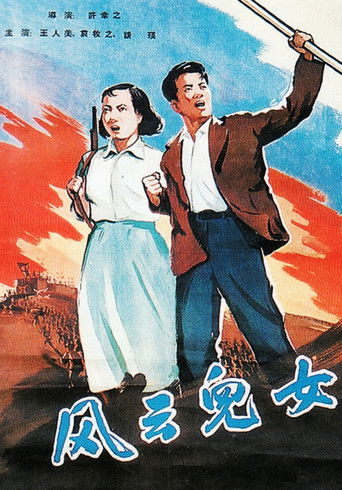
Films
1 film
About Mingxiao Wang
Chinese actor active during the early golden age of Chinese cinema in the 1930s. His most notable work was in the 1935 film 'Children of Troubled Times' (Fengyun Ernu), which became historically significant for featuring the song that would later become China's national anthem. Wang appeared Chinese film history when Shanghai was the center of Chinese cinema production. His brief film career coincided with the rise of left-wing cinema in China, which often addressed social and political themes. While his filmography appears limited to this single known credit, 'Children of Troubled Times' was directed by Xu Xingzhi and produced by the Diantong Film Company, which was known for its patriotic productions. The film itself was a response to Japanese aggression in Manchuria and reflected the growing nationalist sentiment in China during the 1930s. Wang's participation in this significant historical film places him among the early pioneers of Chinese cinema, though detailed records of his life and career remain scarce.
The Craft
Milestones
- Appeared in 'Children of Troubled Times' (1935)
- Participated in historically significant Chinese film
- Contributed to early Chinese cinema during its golden age
Best Known For
Iconic Roles
Must-See Films
Working Relationships
Worked Often With
Studios
Why They Matter
Impact on Culture
Mingxiao Wang's contribution to Chinese cinema, while brief, is culturally significant through his participation in 'Children of Troubled Times,' a film that played a role in Chinese national identity. The film featured the song 'March of the Volunteers,' which would later become the national anthem of the People's Republic of China. This connection places Wang, however peripherally, in the historical narrative of Chinese cultural and political development during the 1930s. The film itself was part of the left-wing cinema movement in Shanghai that used film as a medium for social commentary and nationalist sentiment during a period of Japanese aggression.
Lasting Legacy
Mingxiao Wang's legacy is primarily tied to his involvement in. While his individual contribution may have been small and his career brief, the film 'Children of Troubled Times' ensures his place in the annals of Chinese film history. His participation represents the collective effort of early Chinese filmmakers who used cinema as a tool for national awakening and resistance during a critical period in Chinese history. The preservation of his name in film credits shows the many actors who contributed to the foundation of Chinese cinema, even if their full stories have been lost to time.
Who They Inspired
Due to the limited scope of Mingxiao Wang's known film work, his direct influence on subsequent generations of actors or filmmakers is difficult to trace. However, his participation in historically significant cinema of the 1930s places him among the foundational figures of Chinese film who helped establish the medium as a vehicle for cultural expression and political commentary during a formative period in Chinese history.
Off Screen
Very limited information is available about Mingxiao Wang's personal life, as was common for many early Chinese film actors whose detailed biographical records were not preserved through China's turbulent political history of the 20th century.
Did You Know?
- Appeared in 'Children of Troubled Times' (1935), which featured the song that became China's national anthem
- The film was produced by Diantong Film Company, known for patriotic productions
- The movie was directed by Xu Xingzhi, a notable figure in early Chinese cinema
- The film was part of the left-wing cinema movement in Shanghai during the 1930s
- The story addressed themes of resistance against Japanese aggression
- The film's theme song 'March of the Volunteers' was written by Tian Han and Nie Er
- Very few biographical details about Wang survive from this period of Chinese cinema
- The film was released during a politically turbulent period in Chinese history
- Shanghai in the 1930s was known as the 'Hollywood of the East' for its vibrant film industry
- Many records from this era were lost during China's political upheavals of the 20th century
Frequently Asked Questions
Who was Mingxiao Wang?
Chinese with credits in this catalog.
What films is Mingxiao Wang best known for?
Titles linked here include Children of Troubled Times (1935).
When was Mingxiao Wang born and when did they die?
Specific birth and death dates for Mingxiao Wang are not available in historical records, which is common for many early Chinese film actors whose detailed biographical information was not preserved through China's turbulent 20th-century history.
What awards did Mingxiao Wang win?
There are no documented awards or nominations for Mingxiao Wang, which was typical for many actors in early Chinese cinema when formal award systems were not yet established in the Chinese film industry.
What was Mingxiao Wang's acting style?
Due to limited documentation of Mingxiao Wang's career and the loss of many films from this era, specific details about his acting style are not available in historical records.