Stephen Murray
Actor
Born: January 16, 1911 in Partick, Glasgow, Scotland Died: March 31, 1985 Active: 1930s-1985 Birth Name: Stephen Murray-Hill
Films
1 film
About Stephen Murray
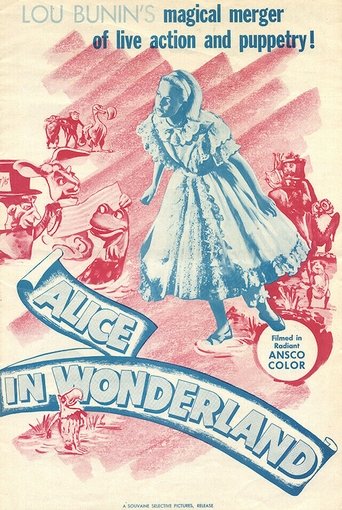
Stephen Murray (1911-1985) was a British actor whose over four decades in film, television, and theater. Born in Glasgow, Scotland, he began his acting career in the 1930s and quickly established himself as a reliable character actor in British cinema. Murray's most notable film role came in 1949 when he portrayed the White King in the British adaptation of Lewis Carroll's 'Alice in Wonderland,' a live-action/stop-motion hybrid film directed by Dallas Bower. Throughout the 1950s and 1960s, he appeared in numerous significant British films including 'The Lavender Hill Mob' (1951), 'The Long Memory' (1953), and 'The Dam Busters' (1955). His deep, authoritative voice and dignified presence made him particularly well-suited for roles of authority figures, military officers, and aristocratic characters. In addition to his film work, Murray had an extensive career in British television, appearing in popular series such as 'The Avengers' and 'Doctor Who' during the 1960s and 1970s. His stage career was equally impressive, with numerous performances in both classical and contemporary theater productions throughout Britain. Murray's final years saw him continue working in television until his death in 1985, leaving behind a legacy as one of Britain's most dependable character actors of the mid-20th century.
The Craft
On Screen
Murray was known for his dignified, authoritative presence and deep, resonant voice. He specialized in portraying characters of authority, including military officers, judges, and aristocrats. His acting style was characterized by understated elegance and precise diction, reflecting his classical training. Murray brought a sense of gravitas and reliability to every role, whether playing leading or supporting characters. His performances were marked by a subtle intensity and emotional depth that never veered into melodrama.
Milestones
- Debut in British cinema in the 1930s
- Portrayed the White King in Alice in Wonderland (1949)
- Appeared in The Lavender Hill Mob (1951)
- Starred in The Long Memory (1953)
- Featured in The Dam Busters (1955)
- Extensive television career in the 1960s-1970s
- Prolific stage actor throughout his career
Best Known For
Iconic Roles
Must-See Films
Accolades
Special Recognition
- Recognized as one of Britain's most reliable character actors
- Esteemed member of the British acting community
Working Relationships
Worked Often With
Studios
Why They Matter
Impact on Culture
Stephen Murray contributed significantly to the golden age of British cinema, helping to define the archetype of the dignified British character actor. His role in the 1949 'Alice in Wonderland' film, though not as widely known as Disney's animated version, represents an important early attempt at bringing Carroll's work to life through innovative film techniques. Murray's consistent presence in British film and television helped maintain high standards of acting craft during a transitional period in British entertainment. His work in films like 'The Dam Busters' and 'The Lavender Hill Mob' contributed to some of Britain's most celebrated cinematic achievements of the 1950s.
Lasting Legacy
Stephen Murray's legacy lies in his substantial body of work that exemplifies the best of British character acting. He represents the generation of actors who bridged the gap between the classical theater tradition and the modern film and television era. His performances continue to be studied by actors and film scholars as examples of refined, understated acting technique. Murray's contribution to preserving British cultural identity through cinema, particularly in post-war films that helped define British character and resilience, remains significant. His work in both popular and artistic films demonstrates the versatility and professionalism that characterized the best of British acting talent.
Who They Inspired
Murray influenced subsequent generations of British character actors through his demonstrated commitment to craft and his ability to bring depth to supporting roles. His dignified approach to character portrayal set a standard for British actors in roles of authority. Younger actors often cited his work as an example of how to maintain integrity and professionalism while working across different media. His transition from stage to film and television provided a model for actors navigating the changing landscape of British entertainment in the mid-20th century.
Off Screen
Stephen Murray was born Stephen Murray-Hill in Glasgow, Scotland, and maintained a relatively private personal life throughout his career. He was married to actress Pamela Brown, with whom he shared both personal and professional connections in the British entertainment industry. The couple had children together, though specific details about his family life remain limited in public records. Murray was known among his colleagues as a dedicated professional who balanced his extensive career with his family responsibilities. He spent his later years in London, where he continued working in television until shortly before his death in 1985 at the age of 74.
Education
Classical acting training in Britain, though specific educational institutions are not widely documented
Family
- Pamela Brown (years married)
Did You Know?
- His full birth name was Stephen Murray-Hill, though he professionally used Stephen Murray
- The 1949 'Alice in Wonderland' was one of the first films to combine live-action with stop-motion animation
- He appeared in over 100 film and television productions throughout his career
- Murray was particularly known for his work in war films, reflecting Britain's post-war cinema focus
- He continued acting well into his 70s, demonstrating remarkable longevity in his career
- His voice was considered
- Murray often played military officers due to his authoritative bearing
- He was a member of the Royal Shakespeare Company early in his career
- The actor was known for never being late to a set, earning respect from directors and co-stars
- Despite his extensive filmography, he remained relatively unknown to the general public, a common fate for character actors
In Their Own Words
Acting is not about being famous, it's about becoming someone else for a while and telling their truth
The best roles are often the smallest ones, where you can paint with fine brushstrokes rather than broad strokes
In British cinema, we learned that dignity and restraint could be more powerful than grand gestures
Frequently Asked Questions
Who was Stephen Murray?
British with credits in this catalog. He was particularly recognized for his authoritative presence and deep voice, often playing characters of authority in British cinema. His most notable role was as the White King in the 1949 film adaptation of 'Alice in Wonderland'.
What films is Stephen Murray best known for?
Titles linked here include Alice in Wonderland (1949), The Lavender Hill Mob (1951).
When was Stephen Murray born and when did he die?
Born January 16, 1911; died March 31, 1985.
What awards did Stephen Murray win?
While Stephen Murray did not receive major formal awards or nominations, he was widely recognized and respected within the British film industry as. His legacy lies in his extensive body of work rather than formal accolades.
What was Stephen Murray's acting style?
Murray's acting style was characterized by dignified restraint, precise diction, and an authoritative presence. He specialized in understated performances that conveyed depth through subtlety rather than overt emotion. His classical training and deep, resonant voice made him particularly effective in roles of authority and aristocratic characters.
Did Stephen Murray work in television as well as film?
Yes, Stephen Murray had an extensive television career spanning from the 1950s through the 1970s. He appeared in numerous popular British television series including 'The Avengers,' 'Doctor Who,' and many others, demonstrating his versatility across different media formats.
Was Stephen Murray married?
Stephen Murray was married to actress Pamela Brown, with whom he shared both personal and professional connections in the British entertainment industry. They had children together, though Murray maintained a relatively private personal life throughout his career.