Films
1 film
About Helyk Dordzhy
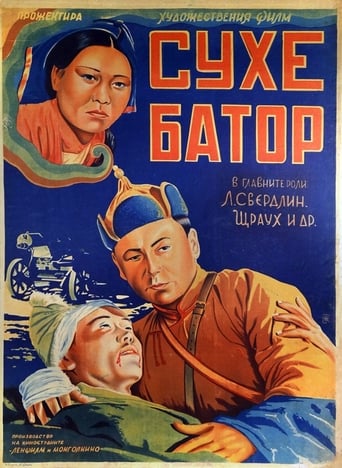
Helyk Dordzhy is credited on a single production — His Name Is Sukhe-Bator (1942). His sole known film appearance was in the 1942 historical drama 'His Name Is Sukhe-Bator,' which was a Soviet-Mongolian co-production celebrating the life of Mongolian revolutionary leader Damdin Sükhbaatar. This film was significant as one of the earliest major Mongolian film productions, created during a period when Mongolia was developing its national cinema under Soviet influence. Dordzhy's participation in this landmark film places him among the generation of Mongolian actors who helped establish the country's film industry. Unfortunately, detailed records about his life and career are scarce, which was common for many early Mongolian film performers whose contributions were not extensively documented. His work represents an important but largely overlooked chapter in the history of world cinema, particularly the development of national cinemas in Central Asia during the Soviet era.
The Craft
On Screen
Not documented in available historical records
Milestones
- Appeared in 'His Name Is Sukhe-Bator' (1942), one of the earliest major Mongolian film productions
Best Known For
Iconic Roles
Must-See Films
Working Relationships
Studios
Why They Matter
Impact on Culture
Helyk Dordzhy's contribution to cinema, though limited to a single known film, represents an important part of Mongolian film history during its formative years. The film 'His Name Is Sukhe-Bator' was created during a crucial period when Mongolia was establishing its national identity through cinema under Soviet guidance. Early actors like Dordzhy helped lay the foundation for Mongolia's film industry, which would go on to develop its unique cinematic voice. Their work in historical and revolutionary films helped shape Mongolian cultural memory and national consciousness during the 20th century.
Lasting Legacy
While specific details about Helyk Dordzhy's legacy are scarce, his participation in early Mongolian cinema places him among the pioneers who helped establish the country's film industry. The film he appeared in remains historically significant as one of the earliest examples of Mongolian feature filmmaking. Early Mongolian actors like Dordzhy are remembered as foundational figures who contributed to the development of a national cinema that would continue to evolve throughout the 20th century.
Who They Inspired
Due to limited documentation of early Mongolian cinema, specific details about Helyk Dordzhy's influence on subsequent actors or filmmakers are not readily available. However, early performers in national cinemas typically influenced later generations by establishing acting traditions and techniques adapted to local cultural contexts.
Off Screen
Very limited information is available about Helyk Dordzhy's personal life, which was common for many early Mongolian film actors whose biographical details were not extensively preserved in historical records.
Did You Know?
- Appeared in 'His Name Is Sukhe-Bator' (1942), one of the earliest known Mongolian feature films
- The film was a Soviet-Mongolian co-production, reflecting the close cultural ties between the two countries during this period
- The film's subject, Damdin Sükhbaatar, was a national hero in Mongolia and a key figure in the Mongolian Revolution of 1921
- 1942 was during World War II, when many national cinemas were producing patriotic and historical films to boost morale
- Early Mongolian cinema was heavily influenced by Soviet filmmaking techniques and socialist realist ideology
- Very few complete records exist about early Mongolian film actors from this period
- The film was likely shot in black and white, as was standard for most productions of this era in the region
Frequently Asked Questions
Who was Helyk Dordzhy?
Mongolian with credits in this catalog.' He was among the generation of Mongolian actors who helped establish the country's national cinema during its formative years.
What films is Helyk Dordzhy best known for?
Titles linked here include His Name Is Sukhe-Bator (1942).
When was Helyk Dordzhy born and when did they die?
Specific birth and death dates for Helyk Dordzhy are not available in historical records, which was common for many early Mongolian film actors whose biographical details were not extensively documented.
What awards did Helyk Dordzhy win?
No documented awards or nominations for Helyk Dordzhy are available in historical records. Early Mongolian cinema did not have the extensive award systems that developed in later decades.
What was Helyk Dordzhy's acting style?
Specific details about Helyk Dordzhy's acting style are not documented in available historical records. Early Mongolian actors typically worked within the socialist realist tradition that was common in Soviet-influenced cinema of the period.