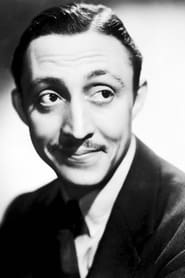
Mischa Auer
Actor
Born: November 17, 1905 in St. Petersburg, Russian Empire Died: March 5, 1967 Active: 1928-1967 Birth Name: Mikhail Semyonovich Unkovsky
Films
5 films
About Mischa Auer
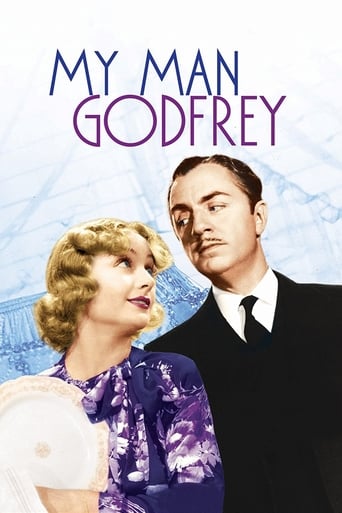
Mischa Auer was born Mikhail Semyonovich Unkovsky in St. Petersburg, Russia, into a theatrical family with his mother being a renowned Russian actress and grandfather a celebrated opera singer. Following the Russian Revolution, his family fled first to Constantinople and eventually to the United States, where he began his journey in American cinema. Auer transitioned successfully from silent films to talkies, becoming one of Hollywood's most recognizable character actors known for his eccentric, often foreign-accented performances in screwball comedies. His breakthrough came with his Academy Award-nominated performance as Carlo in 'My Man Godfrey' (1936), which established him as a go-to actor for eccentric supporting roles. Throughout his career spanning nearly four decades, he appeared in over 100 films, working with major studios and directors of Hollywood's Golden Age. Despite never achieving leading man status, Auer became sought-after character actors, known for his unique physical comedy and expressive face. He continued working in film and television until his death in 1967, leaving behind a legacy of memorable comedic performances that defined an era of Hollywood comedy.
The Craft
On Screen
Mischa Auer was known for his highly physical comedic style characterized by wild gesticulations, exaggerated facial expressions, and eccentric mannerisms. He specialized in playing eccentric, often foreign-accented characters with a manic energy that made him stand out in ensemble casts. His performances combined slapstick elements with sophisticated wit, often playing freeloading artists, eccentric noblemen, or comically pretentious intellectuals. Auer had a unique ability to switch between dignified and absurd in seconds, using his expressive face and lanky frame to maximum comedic effect. His Russian heritage and aristocratic bearing added authenticity to his frequent portrayals of European eccentrics.
Milestones
- Academy Award nomination for Best Supporting Actor for 'My Man Godfrey' (1936)
- Transition from silent films to successful talkie career
- Frequent appearances in classic screwball comedies of the 1930s
- Memorable role as Boris Kolenkhov in 'You Can't Take It With You' (1938)
- Prolific character actor with over 100 film appearances
- Later career in television during the 1950s and 1960s
- Work with major Hollywood studios including MGM and Paramount
Best Known For
Iconic Roles
Must-See Films
Accolades
Won
- Academy Award nomination for Best Supporting Actor for 'My Man Godfrey' (1936)
Nominated
- Academy Award for Best Supporting Actor - 'My Man Godfrey' (1936)
Special Recognition
- Star on the Hollywood Walk of Fame
Working Relationships
Worked Often With
Studios
Why They Matter
Impact on Culture
Mischa Auer became an iconic figure representing the eccentric European character in American screwball comedies, helping define the genre's golden age. His performances contributed to the development of the 'screwball comedy' as a distinct American film genre, embodying the chaos and eccentricity that made these films popular. Auer's success as a foreign-born actor in Hollywood helped pave the way for other international performers in American cinema. His unique blend of physical comedy and sophisticated wit influenced generations of character actors who followed. He represented the melting pot nature of Hollywood's Golden Age, bringing authentic European theatrical traditions to American film.
Lasting Legacy
Mischa Auer left an enduring legacy as one of Hollywood's most memorable character actors, whose performances continue to be studied and appreciated by film enthusiasts and scholars. His work in classic screwball comedies remains a benchmark for eccentric supporting performances, and his films are regularly featured in film festivals and classic cinema retrospectives. Auer's ability to create memorable characters with limited screen time has made him a subject of study in acting schools focused on character development. His contribution to the Golden Age of Hollywood comedy ensures his place in cinema history, with his performances remaining as fresh and entertaining today as they were when first released.
Who They Inspired
Auer influenced numerous character actors who followed, particularly those specializing in eccentric or foreign-accented roles. His physical comedy techniques and timing have been studied by comedians and actors interested in classic Hollywood performance styles. His success demonstrated the value of character actors in ensemble casts, encouraging studios to invest in talented supporting players. Contemporary actors like John C. Reilly and Steve Carell have cited classic character actors like Auer as influences on their approach to eccentric roles. His work continues to inspire performers in both film and television who specialize in quirky, memorable supporting characters.
Off Screen
Mischa Auer was married multiple times throughout his life and had several children. He maintained connections to his Russian heritage while becoming fully assimilated into American culture. Despite his success in Hollywood, he was known for his somewhat reclusive personal nature off-screen. He struggled with health issues in his later years but continued working almost until his death. His family background in the arts deeply influenced his career choice and artistic development.
Education
Studied acting in New York after arriving in the United States, attended theatrical workshops and studied under various acting coaches of the era
Family
- Joyce Compton (1931-1933)
- Kasia Kowalska (1934-1941)
- Lola L. Lane (1941-1945)
- Elise M. Auer (1945-1967)
Did You Know?
- Was the grandson of celebrated Russian opera singer Fyodor Stravinsky
- Fled Russia with his family after the 1917 Revolution
- Originally studied to be a classical musician before turning to acting
- Spoke multiple languages including Russian, French, and English with various accents
- Was typecast as eccentric Europeans but was actually American by nationality for most of his career
- Appeared in both the original 1936 'My Man Godfrey' and had a small role in the 1957 remake
- Was known for his ability to improvise and add comedic touches to his scripted roles
- Worked in television in the 1950s and 1960s, appearing on shows like 'The Twilight Zone' and 'Alfred Hitchcock Presents'
- Was considered for the role of Professor Moriarty in 'The Adventures of Sherlock Holmes' (1939) but lost to George Zucco
- Despite his comic persona, was known as a serious and intellectual person off-screen
In Their Own Words
In 'My Man Godfrey': 'I'm a musician by profession, but I'm a philosopher by inclination.'
In 'You Can't Take It With You': 'You cannot be a dictator and also have a sense of humor!'
On his acting style: 'I don't play characters, I play people who happen to be characters.'
On Hollywood: 'They pay me to be crazy. It's the best job in the world.'
On his background: 'In Russia, we had tragedy. In America, we have comedy. I prefer comedy.'
Frequently Asked Questions
Who was Mischa Auer?
Russian-American He specialized in playing eccentric, often foreign-accented characters and received an Academy Award nomination for his role in 'My Man Godfrey' (1936).
What films is Mischa Auer best known for?
Titles linked here include My Man Godfrey (1936), You Can't Take It With You (1938).
When was Mischa Auer born and when did he die?
Born November 17, 1905; died March 5, 1967.
What awards did Mischa Auer win?
Mischa Auer received an Academy Award nomination for Best Supporting Actor for his performance as Carlo in 'My Man Godfrey' (1936). He also received a star on the Hollywood Walk of Fame for his contributions to motion pictures.
What was Mischa Auer's acting style?
Mischa Auer's acting style was characterized by highly physical comedy, wild gesticulations, and eccentric mannerisms. He specialized in playing eccentric European characters with a manic energy, combining slapstick elements with sophisticated wit. His expressive face and lanky frame made him perfect for the eccentric roles that became his trademark.
How did Mischa Auer get his start in Hollywood?
Mischa Auer began his career in silent films after arriving in America following the Russian Revolution. He studied acting in New York and gradually worked his way up from bit parts to character roles, eventually being discovered by Hollywood directors who recognized his unique comedic talent for eccentric characters.
Did Mischa Auer work in television?
Yes, Mischa Auer transitioned to television in the 1950s and 1960s, appearing on popular shows like 'The Twilight Zone,' 'Alfred Hitchcock Presents,' and various anthology series. He continued to work almost until his death in 1967, adapting his comedic style to the new medium.
What was Mischa Auer's real name?
Mischa Auer's real name was Mikhail Semyonovich Unkovsky. He changed his name for his acting career, taking 'Auer' from his mother's maiden name and using 'Mischa' as a more accessible version of his Russian given name Mikhail.