
Films
1 film
About Renée Oro
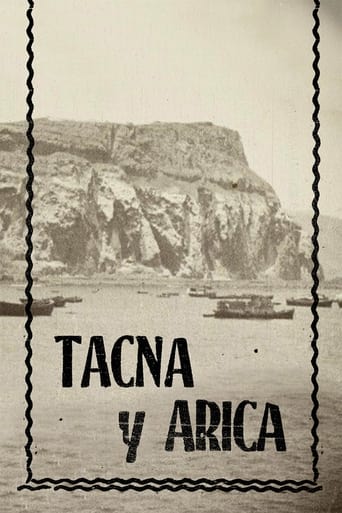
Early cinema director active during the silent film era, best known for directing the 1924 film 'Tacna y Arica.' This appears to be one of the earliest examples of Peruvian or possibly Chilean cinema, dealing with the territorial dispute between these two nations over the Tacna and Arica regions. Given that this was her only known directorial credit and she was active only in 1924, Oro represents one of the women directors in Latin American cinema during its formative years. The film itself was likely a patriotic or historical piece reflecting the ongoing tensions and cultural significance of the territorial dispute that had been a major political issue since the War of the Pacific (1879-1884). Very little detailed information survives about Oro's career beyond this single notable work, making her a somewhat mysterious but important figure in the history of early Latin American filmmaking.
The Craft
Behind the Camera
Likely influenced by early silent film techniques, possibly with patriotic or historical themes given the subject matter
Milestones
- Directed 'Tacna y Arica' (1924), one of the earliest narrative films from Latin America
Best Known For
Must-See Films
Why They Matter
Impact on Culture
Renée Oro's contribution to cinema, though limited to a single known work, represents an important milestone in the development of Latin American film. Her film 'Tacna y Arica' (1924) stands as one of the earliest examples of narrative cinema from either Peru or Chile, dealing with a significant political and cultural issue of the time. As a woman director working in the 1920s, she was part of the very small but significant group of female filmmakers who helped shape early cinema before the industry became more male-dominated with the advent of the studio system. The very existence of this film demonstrates that cinematic production was taking place in Latin America much earlier than many film histories acknowledge.
Lasting Legacy
Renée Oro's legacy is primarily preserved through her single known film 'Tacna y Arica,' which serves as an important artifact of early Latin American cinema. While much of her life and career remain lost to history, her work represents the efforts of filmmakers in regions outside Hollywood and Europe during cinema's formative years. As one of the earliest known women directors in Latin America, she stands as an important figure in the history of women in film, even though her story remains largely untold due to the limited survival of records and films from this period and region.
Who They Inspired
Due to the limited documentation of Renée Oro's career and the apparent loss of her film, her direct influence on subsequent filmmakers is difficult to trace. However, her work as part of the first generation of narrative filmmakers in Latin America would have contributed to the foundation upon which later Latin American cinema was built. Her existence as a female director in the 1920s also represents part of the broader history of women's participation in early cinema that has only recently begun to receive scholarly attention.
Off Screen
Very little is known about Renée Oro's personal life due to the scarcity of historical records from this period of Latin American cinema. As a woman director in the 1920s, she would have been part of a very small group of female filmmakers worldwide during the silent era.
Did You Know?
- 'Tacna y Arica' deals with a real territorial dispute between Peru and Chile that lasted from the late 19th century until 1929
- The film was made during the silent era, likely before synchronized sound technology reached Latin America
- Very few films from Latin America from this period survive today, making Oro's work particularly significant
- As a woman director in the 1920s, Oro was part of a very small minority in the film industry worldwide
- The territorial dispute depicted in her film was finally resolved in the Treaty of Lima in 1929, just five years after her film was released
Frequently Asked Questions
Who was Renée Oro?
Early cinema on YTB.my.' She represents one of the women directors in Latin American cinema during its formative years.
What films is Renée Oro best known for?
Titles linked here include Tacna y Arica (1924).
When was Renée Oro born and when did she die?
Unfortunately, the birth and death dates of Renée Oro are not known due to the scarcity of historical records from this period of Latin American cinema.
What awards did Renée Oro win?
There are no known awards or nominations for Renée Oro, which was common for filmmakers from this era and region, as formal award systems had not yet been established in Latin American cinema.
What was Renée Oro's directing style?
While specific details about her directing style are not known, she likely employed early silent film techniques typical of the 1920s, possibly with patriotic or historical themes given the subject matter of her only known film.