Alfonso Brescia
Director
Born: January 6, 1930 in Naples, Italy Died: June 1, 2001 Active: 1968-1988
Films
1 film
About Alfonso Brescia
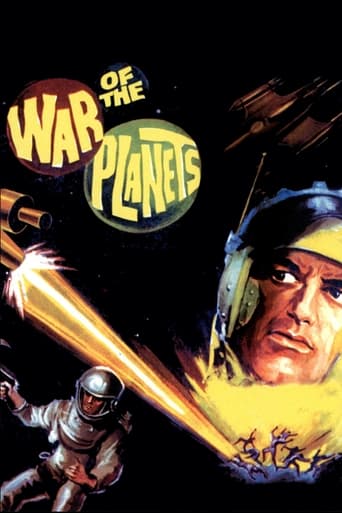
Italian film director and screenwriter who became prolific exploitation filmmakers of the 1970s and 1980s. Born in Naples, he began his career in the film industry working as an assistant director before moving into directing his own features in the late 1960s. Brescia specialized in low-budget genre films, including spaghetti westerns, crime thrillers, and science fiction movies, often working under pseudonyms like 'Al Bradley' to give his productions an American appeal. His 1977 science fiction film 'War of the Planets' was part of a series of space opera films he created to capitalize on the post-Star Wars sci-fi boom. Throughout his career, he directed over 30 films, known for their quick production schedules and commercial viability rather than artistic merit. Despite working with minimal budgets and resources, Brescia developed a distinctive style that has since gained appreciation among cult film enthusiasts and genre cinema scholars. His films, while critically dismissed upon release, have been reevaluated as fascinating examples of European exploitation cinema and its response to Hollywood trends.
The Craft
Behind the Camera
Brescia was known for his efficient, no-nonsense directing approach focused on commercial appeal and quick production. His style emphasized action sequences, visual spectacle over narrative coherence, and practical effects. He often employed rapid pacing and incorporated popular genre tropes to maximize marketability. His films typically featured minimal character development in favor of set pieces and exploitation elements, reflecting his background in commercial Italian cinema.
Milestones
- Directed over 30 feature films
- Created the Star Crash-inspired sci-fi series including War of the Planets (1977)
- Worked under multiple pseudonyms including Al Bradley
- Transitioned from spaghetti westerns to science fiction and crime films
- Became one of Italy's most prolific exploitation directors
Best Known For
Must-See Films
Working Relationships
Worked Often With
Studios
Why They Matter
Impact on Culture
Alfonso Brescia's films represent a significant chapter in the history of European exploitation cinema, particularly Italy's response to American genre trends. His science fiction films, including War of the Planets, exemplify how European filmmakers attempted to compete with Hollywood blockbusters using minimal budgets and maximum creativity. These works have since become cult classics, studied for their unique approach to genre filmmaking and their reflection of 1970s pop culture aesthetics. Brescia's films contributed to the globalization of exploitation cinema and demonstrated how regional filmmakers could find international audiences through genre conventions.
Lasting Legacy
Alfonso Brescia's legacy lies in his contribution to the cult film canon and his role in preserving the tradition of Italian genre filmmaking into the 1980s. His movies, initially dismissed as commercial exploitation, have been reevaluated by film scholars and enthusiasts as important cultural artifacts. The renewed interest in his work through home video releases and film festivals has cemented his status as a significant figure in exploitation cinema history. His films continue to influence contemporary low-budget filmmakers who appreciate his resourcefulness and dedication to commercial entertainment.
Who They Inspired
Brescia influenced subsequent generations of low-budget and independent filmmakers who work within genre constraints. His efficient production methods and ability to capitalize on popular trends demonstrated how filmmakers could succeed outside the mainstream studio system. His work has been referenced and homaged by modern directors who appreciate the aesthetic and narrative conventions of European exploitation cinema. The international distribution of his films helped establish global markets for genre cinema beyond Hollywood productions.
Off Screen
Alfonso Brescia maintained a relatively private personal life despite his prolific career in the film industry. He was known primarily through his work rather than his personal affairs, which was typical for exploitation filmmakers of his era. His dedication to filmmaking was evident in his massive output, often directing multiple films per year. Brescia passed away in Rome in 2001 at the age of 71, leaving behind a substantial cult film legacy.
Education
Educational background not publicly documented
Family
- Information not publicly available
Did You Know?
- Often directed under the pseudonym 'Al Bradley' to make his films appear American
- War of the Planets was one of four science fiction films he directed in 1977-1978
- His films were shot in extremely short timeframes, sometimes in less than two weeks
- Many of his movies were released directly to video or in grindhouse theaters
- He worked across multiple genres including westerns, crime films, horror, and science fiction
- His films frequently featured recycled footage and sets to save money
- War of the Planets was also known under the title 'Year 1990: I guerrieri del futuro'
- Despite being Italian, his films often pretended to be American productions
- His science fiction films were notable for their inventive use of minimal special effects
- He was part of the generation of Italian directors who transitioned from westerns to other genres
In Their Own Words
Information about famous quotes not documented in available sources
Frequently Asked Questions
Who was Alfonso Brescia?
Italian on YTB.my. He worked primarily in genre cinema, including spaghetti westerns, crime films, and science fiction movies, often using pseudonyms like 'Al Bradley' for international markets.
What films is Alfonso Brescia best known for?
Titles linked here include War of the Planets (1977), Battle of the Stars (1978).
When was Alfonso Brescia born and when did he die?
Born January 6, 1930; died June 1, 2001.
What awards did Alfonso Brescia win?
Alfonso Brescia did not receive major formal awards or recognition during his career, as was typical for exploitation filmmakers of his era. His work has gained posthumous appreciation among cult film enthusiasts and genre cinema scholars.
What was Alfonso Brescia's directing style?
Brescia's directing style was characterized by efficiency, commercial focus, and rapid production schedules. He emphasized visual spectacle, action sequences, and genre conventions over narrative depth, often working with minimal budgets and resources while maximizing entertainment value for exploitation audiences.