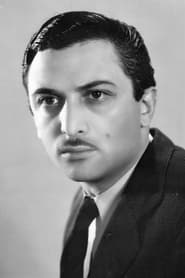
Marcel Dalio
Actor
Born: July 20, 1900 in Paris, France Died: November 20, 1983 Active: 1930-1980 Birth Name: Israel Moshe Blauschild
Films
1 film
About Marcel Dalio
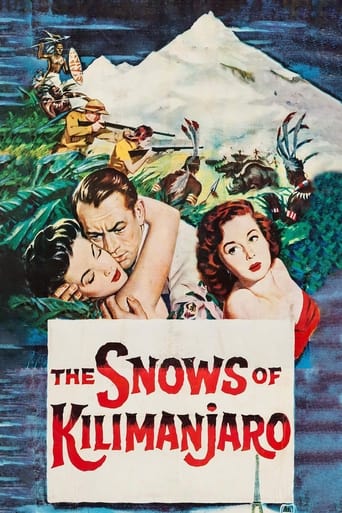
Marcel Dalio, born Israel Moshe Blauschild, was a French actor whose over four decades across European and American cinema. He began his acting career in French theater during the 1920s before transitioning to film, quickly establishing himself as a versatile character actor. His breakthrough came with Jean Renoir's masterpieces 'La Grande Illusion' (1937) and 'The Rules of the Game' (1939), where he portrayed aristocratic characters with remarkable depth. Being Jewish, Dalio fled France following the Nazi occupation in 1940, eventually settling in Hollywood where he became recognizable French actors in American cinema. During his Hollywood years, he appeared in numerous classic films including 'Casablanca' (1942) as Emil the croupier, 'To Have and Have Not' (1944), and 'The Snows of Kilimanjaro' (1952). After World War II, he returned to France while continuing to work internationally, appearing in over 160 films throughout his career. His ability to seamlessly transition between French and English-language productions made him a unique bridge between European and Hollywood cinema.
The Craft
On Screen
Dalio was known for his sophisticated, nuanced performances often portraying aristocrats, croupiers, and refined gentlemen. His acting combined French theatrical tradition with naturalistic film techniques, bringing elegance and depth to supporting roles. He possessed a distinctive voice and manner that made him instantly recognizable, whether playing comedic or dramatic parts. His ability to convey complex emotions through subtle gestures and expressions made him particularly effective in character roles that required both gravitas and charm.
Milestones
- Breakthrough role in Jean Renoir's 'La Grande Illusion' (1937)
- Memorable performance in 'The Rules of the Game' (1939)
- Fled Nazi occupation and rebuilt career in Hollywood
- Iconic role as Emil the croupier in 'Casablanca' (1942)
- Prolific character actor in both French and American cinema
- Appeared in over 160 films across four decades
- Returned to French cinema post-WWII while maintaining international career
Best Known For
Iconic Roles
Must-See Films
Accolades
Special Recognition
- Commandeur de l'Ordre des Arts et des Lettres (France)
- Legion of Honour recipient
Working Relationships
Worked Often With
Studios
Why They Matter
Impact on Culture
Marcel Dalio played a significant role in bridging French and American cinema during Hollywood's golden age. As one of the few French actors to successfully maintain careers in both film industries, he helped introduce European sophistication to Hollywood productions while bringing American filmmaking techniques back to French cinema. His performances in Jean Renoir's masterpieces contributed to the French poetic realism movement that influenced film noir and other genres. During WWII, his presence in Hollywood represented the cultural diaspora of European artists fleeing Nazi persecution, adding authenticity and international flavor to American wartime films.
Lasting Legacy
Marcel Dalio's legacy endures through his extensive body of work that spans some of cinema's most celebrated films. He is remembered as. His performances in 'La Grande Illusion' and 'The Rules of the Game' are studied in film schools as examples of perfect character acting. Dalio's career demonstrated the possibilities for international actors in an increasingly global film industry, paving the way for future generations of European performers in Hollywood. His ability to maintain dignity and artistry while working as a character actor rather than a leading man has inspired countless performers in supporting roles.
Who They Inspired
Dalio influenced subsequent generations of character actors through his technique of bringing depth and individuality to supporting roles. His success in both French and American cinema demonstrated that actors could maintain their cultural identity while working internationally. Many European actors who followed in his footsteps, including Charles Boyer and Louis Jourdan, benefited from the path he blazed. His performances in film noir and wartime dramas helped establish archetypes for sophisticated European characters that would be referenced and parodied in later films. Directors often cited his work as an example of how character actors could elevate entire productions through subtle, nuanced performances.
Off Screen
Marcel Dalio was married three times throughout his life. His first marriage was to actress Madeleine Robinson, which ended in divorce. He later married American actress Norma Eberhardt, with whom he had a son, and they remained married until her death. His final marriage was to Francine Foisset. Dalio's Jewish heritage significantly impacted his life and career, forcing him to flee Europe during WWII. He was known for his cosmopolitan lifestyle and fluency in multiple languages, which served him well in his international film career.
Education
Studied acting at the Conservatoire de Paris, trained in classical French theater techniques
Family
- Madeleine Robinson (1937-1946)
- Norma Eberhardt (1948-1972)
- Francine Foisset (1972-1983)
Did You Know?
- Changed his name from Israel Moshe Blauschild to Marcel Dalio to avoid antisemitism in the film industry
- Was one of the few actors to appear in both the French and American versions of 'The Rules of the Game'
- Spoke five languages fluently: French, English, German, Italian, and Spanish
- His character in 'Casablanca' was originally written as American but rewritten as French when Dalio was cast
- Served in the French Army before pursuing acting full-time
- Was a close friend of fellow French exile in Hollywood, director Jean Renoir
- Appeared in uncredited roles in several major films when his scenes were cut in final editing
- His son Jean-Pierre also became an actor, appearing in 'The Young Lions' (1958)
- Was a regular guest on American television shows in the 1950s and 1960s
- Returned to France in the 1950s but maintained homes in both Paris and Hollywood
In Their Own Words
In Hollywood, I was always the Frenchman. In Paris, I was the American who had made it in Hollywood. I was never quite at home anywhere, which perhaps made me a better actor.
Renoir taught me that the smallest role could be the most important if played with truth and dignity.
When you play a croupier, you must understand that everyone at your table is gambling with their life, not just their money.
Frequently Asked Questions
Who was Marcel Dalio?
French with credits in this catalog.' He was particularly famous for playing sophisticated aristocratic characters and was.
What films is Marcel Dalio best known for?
Titles linked here include La Grande Illusion (1937), The Rules of the Game (1939).
When was Marcel Dalio born and when did he die?
Born July 20, 1900; died November 20, 1983.
What awards did Marcel Dalio win?
While Marcel Dalio did not receive major American film awards like Academy Awards, he was honored with the Commandeur de l'Ordre des Arts et des Lettres and was a recipient of France's Legion of Honour in recognition of his contributions to French cinema and culture.
What was Marcel Dalio's acting style?
Dalio was known for his sophisticated, nuanced performances often portraying aristocrats and refined gentlemen. His acting combined French theatrical tradition with naturalistic film techniques, bringing elegance and depth to supporting roles through subtle gestures and expressions rather than broad dramatics.
How did WWII affect Marcel Dalio's career?
Being Jewish, Dalio was forced to flee France following the Nazi occupation in 1940. He eventually settled in Hollywood where he rebuilt his career, becoming.
Was Marcel Dalio related to any other actors?
Yes, his son Jean-Pierre Dalio also became an actor, appearing in films like 'The Young Lions' (1958). Marcel was also married to actress Madeleine Robinson early in his career and later to American actress Norma Eberhardt.