Hanns Kräly
Actor
Born: January 11, 1884 in Berlin, German Empire Died: November 11, 1950 Active: 1914-1931
Films
2 films
About Hanns Kräly
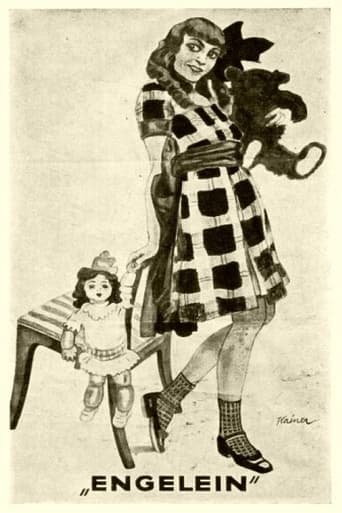
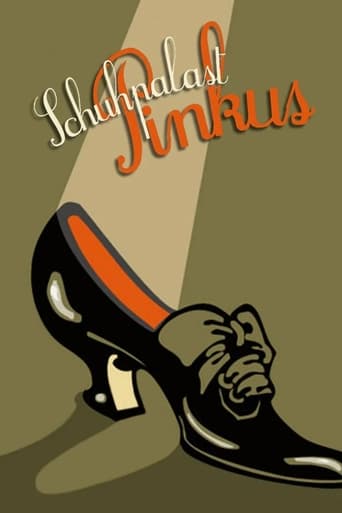
German actor and screenwriter who worked during the silent film era, primarily known for his collaborations with director Ernst Lubitsch. Born in Berlin, Germany, Kräly began his career as an actor in the early 1910s, appearing in several German silent comedies and dramas. His most notable acting roles came in films like 'Little Angel' (1914) and 'Pinkus's Shoe Palace' (1916), where he worked alongside emerging talents of German cinema. As the film industry evolved, Kräly transitioned more successfully into screenwriting, becoming one of Ernst Lubitsch's most trusted collaborators. Together, they created numerous successful German films before Lubitsch moved to Hollywood. Kräly eventually followed Lubitsch to America in the 1920s, continuing their partnership in Hollywood where he adapted his writing skills for American audiences. His the crucial transitional period from German silent cinema to early American sound films, making him an important bridge figure in transatlantic film history.
The Craft
On Screen
As an actor in the German silent era, Kräly specialized in comedic roles that utilized physical comedy and exaggerated expressions typical of the period. His performances in films like 'Pinkus's Shoe Palace' demonstrated a knack for playing both sympathetic and slightly foolish characters, often serving as a comedic foil to more serious protagonists. His acting style was heavily influenced by the German theatrical tradition, incorporating broad gestures and facial expressions that could convey emotion without dialogue.
Milestones
- Early acting career in German silent comedies (1914-1916)
- Transition to screenwriting in late 1910s
- Long-term collaboration with Ernst Lubitsch
- Moved to Hollywood with Lubitsch in 1922
- Academy Award nomination for Best Writing (1930)
- Successful adaptation of European sensibilities for American cinema
Best Known For
Iconic Roles
Must-See Films
Accolades
Won
- Academy Award for Best Writing (1930) - for 'The Patriot'
Nominated
- Academy Award nomination for Best Writing (1929) - for 'The Last Command'
Special Recognition
- Pioneer of German-American film collaboration
- Key contributor to Lubitsch's early success
Working Relationships
Worked Often With
Studios
Why They Matter
Impact on Culture
Hanns Kräly played a significant role in the cultural exchange between German and American cinema during the 1920s. As one of Ernst Lubitsch's key collaborators, he helped develop the sophisticated comedic style that would become known as the 'Lubitsch Touch,' which influenced generations of filmmakers. His work bridged the gap between European cinematic sensibilities and Hollywood storytelling, helping to internationalize film comedy. Kräly's screenwriting contributed to the golden age of German cinema before successfully transitioning to Hollywood, making him part of the important wave of European talent that enriched American film during the studio era.
Lasting Legacy
Hanns Kräly's legacy lies primarily in his contribution to some of the most significant films of the silent era, both in Germany and Hollywood. His Academy Award for 'The Patriot' marked him as one of the early recipients of Hollywood's highest honor for screenwriting. The films he co-wrote with Lubitsch remain classics of silent comedy, studied by film scholars for their innovative techniques and sophisticated humor. Kräly represents the important but often overlooked screenwriters who shaped the language of cinema during its formative years, particularly those who facilitated the cross-pollination of European and American film styles.
Who They Inspired
Kräly's influence on cinema is most evident through his collaboration with Ernst Lubitsch, where he helped develop the witty, sophisticated style of comedy that would become synonymous with Lubitsch's work. His ability to blend European theatrical traditions with American storytelling techniques influenced subsequent generations of comedy writers. The successful transition he made from German to Hollywood cinema provided a template for other European film professionals seeking to work in America. His Academy Award-winning work demonstrated that European sensibilities could not only survive but thrive in the Hollywood system, encouraging more international collaboration in film.
Off Screen
Hanns Kräly was born into a Jewish family in Berlin during the German Empire. His career coincided with significant political and social changes in Germany, including World War I and the Weimar Republic period. Kräly's decision to emigrate to the United States in the 1920s proved prescient, as it allowed him to escape the rise of Nazism that would later force many of his colleagues to flee. He spent his later years in California, continuing to work in the film industry until his health declined. He passed away in Los Angeles at the age of 66.
Education
Information about formal education not readily available, likely received training in German theatrical traditions
Family
- Information not publicly available
Did You Know?
- Won an Academy Award for Best Writing for 'The Patriot' (1930)
- Was one of Ernst Lubitsch's most frequent collaborators in both Germany and Hollywood
- His real name was sometimes spelled 'Hans Kraely' in American film credits
- Appeared as an actor in early Lubitsch comedies before transitioning to writing
- Helped adapt Pola Negri's German films for American audiences
- His writing active years covered both silent and early sound films
- Was part of the significant German emigration to Hollywood in the 1920s
- Collaborated on over 20 films with Lubitsch throughout their partnership
- His Academy Award was shared with several other writers for 'The Patriot'
- Worked during the crucial transition period from silent to sound cinema
In Their Own Words
Information on direct quotes from Hanns Kräly is limited in available historical records
His work often reflected the sophisticated wit characteristic of Lubitsch films: 'In comedy, timing is everything, but in life, timing is merely cruel'
Frequently Asked Questions
Who was Hanns Kräly?
German with credits in this catalog. He is best known for his extensive collaboration with director Ernst Lubitsch, helping create some of the most sophisticated comedies of the 1920s. Kräly successfully transitioned from German cinema to Hollywood, winning an Academy Award for his screenwriting.
What films is Hanns Kräly best known for?
Titles linked here include Little Angel (1914), Pinkus's Shoe Palace (1916).
When was Hanns Kräly born and when did he die?
Born January 11, 1884; died November 11, 1950.
What awards did Hanns Kräly win?
Hanns Kräly won the Academy Award for Best Writing in 1930 for his work on 'The Patriot.' He also received an Oscar nomination for Best Writing in 1929 for 'The Last Command.' These achievements made him one of the early German filmmakers to receive Hollywood's highest recognition.
What was Hanns Kräly's acting and writing style?
As an actor, Kräly employed the broad physical comedy and exaggerated expressions typical of German silent film comedy. As a screenwriter, he developed a sophisticated wit and elegant plotting that became characteristic of the 'Lubitsch Touch.' His style blended European theatrical traditions with American storytelling sensibilities, creating intelligent comedies that appealed to international audiences.
How did Hanns Kräly influence cinema?
Kräly influenced cinema primarily through his collaboration with Ernst Lubitsch, helping develop the sophisticated comedy style that would become highly influential. He played a key role in bridging German and American film traditions, demonstrating how European cinematic sensibilities could successfully adapt to Hollywood. His Academy Award-winning work helped establish the prestige of screenwriting as a cinematic art form.
Why did Hanns Kräly move from Germany to Hollywood?
Kräly moved to Hollywood in 1922 primarily to continue his successful collaboration with Ernst Lubitsch, who had been recruited by American studios. This move proved fortuitous as it allowed him to escape the rise of Nazism in Germany that would later force many Jewish artists to flee. The transition enabled him to work at the highest levels of the American film industry during its golden age.