Films
1 film
About Radhakrishnan
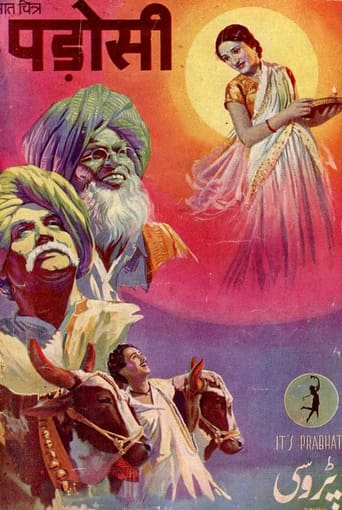
Radhakrishnan appears once in this catalog: Padosi (1941). which was directed by the renowned V. Shantaram and produced by Prabhat Studios. The film was notable for its progressive theme of Hindu-Muslim unity during the pre-independence period of India. Given his limited filmography, Radhakrishnan likely played a supporting or character role in this socially significant production. His brief appearance in Indian cinema coincided with a transformative period when the film industry was transitioning from silent films to talkies and exploring themes relevant to India's independence movement. Unfortunately, detailed records about many character actors from this era are scarce, making it difficult to trace the complete career trajectory of performers like Radhakrishnan.
The Craft
Milestones
- Appeared in 'Padosi' (1941), a socially relevant film about communal harmony
Best Known For
Must-See Films
Working Relationships
Worked Often With
Studios
Why They Matter
Impact on Culture
As an actor in 'Padosi' (1941), Radhakrishnan contributed to one of the early Indian films that addressed communal harmony between Hindus and Muslims during a critical period of India's independence movement. The film was part of a progressive wave of Indian cinema that used the medium to promote social messages and national unity. Although his role may have been minor, he was part of a production that helped establish cinema as a platform for social commentary in India, influencing future generations of filmmakers to tackle important social issues.
Lasting Legacy
Radhakrishnan's legacy is primarily tied to his participation in 'Padosi,' a film that remains historically significant for its progressive themes during the pre-independence era. While he may not have achieved widespread recognition, his contribution represents the many unsung character actors who helped build the foundation of Indian cinema. The film itself continues to be studied for its social relevance and its place in the history of Indian cinema's engagement with contemporary issues.
Who They Inspired
Given his brief filmography, there is limited documentation of Radhakrishnan's direct influence on other actors or filmmakers. However, as part of the cast of a socially conscious film directed by V. Shantaram, he contributed to a tradition of meaningful cinema that would influence subsequent generations of Indian filmmakers addressing social issues.
Off Screen
Very limited information is available about Radhakrishnan's personal life, as was common for many supporting actors in early Indian cinema who were not extensively documented in film histories or press coverage of the era.
Did You Know?
- 'Padosi' (1941) was also known internationally as 'New Neighbor'
- The film was directed by V. Shantaram, one of India's filmmakers
- Prabhat Studios, where the film was produced, was one of India's most prominent film studios of the 1930s-40s
- The film's theme of Hindu-Muslim unity was particularly significant during the pre-independence period
- 1941 was during the early years of sound cinema in India, which began in the 1930s
- Many character actors from early Indian cinema have limited documented biographical information
- The film was part of a movement in Indian cinema that addressed social issues and national themes
Frequently Asked Questions
Who was Radhakrishnan?
Indian film with credits in this catalog.' He appears to have had a brief career in cinema, with this being his only documented film credit.
What films is Radhakrishnan best known for?
Titles linked here include Padosi (1941).
When was Radhakrishnan born and when did he die?
Unfortunately, specific birth and death dates for Radhakrishnan are not documented in available historical records, which is common for many supporting actors from early Indian cinema.
What awards did Radhakrishnan win?
There are no documented awards or nominations for Radhakrishnan, which is typical for many character actors from this period of Indian cinema who often worked without formal recognition.
What was Radhakrishnan's acting style?
Specific details about Radhakrishnan's acting style are not documented, but as an actor in early Indian cinema, he likely worked within the theatrical traditions that influenced early Indian film performances.
What was the significance of 'Padosi' (1941)?
'Padosi' was a significant film for its progressive theme of Hindu-Muslim unity during the pre-independence period. Directed by V. Shantaram and produced by Prabhat Studios, it was part of a movement in Indian cinema that addressed social issues and promoted national integration.