
Films
1 film
About Pera Atasheva
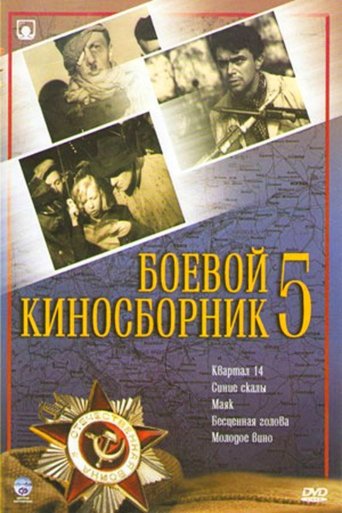
Soviet filmmaker active during the World War II era, primarily known for her work on wartime propaganda and documentary films. Her most documented work is 'Collection of Films for the Armed Forces #5' from 1941, which was part of a series of films produced to support and entertain Soviet troops during the Great Patriotic War. Like many filmmakers of this period, her work was likely commissioned by the Soviet state to serve the war effort through cinema. Her career appears to have been brief and specialized, focusing on the crucial wartime period of 1941. Unfortunately, detailed records about her broader career, training, or other works are scarce in historical archives, which was common for many Soviet documentary filmmakers of this era who worked on state-commissioned projects rather than feature films.
The Craft
Behind the Camera
Documentary and propaganda filmmaking style typical of Soviet wartime cinema
Milestones
- Directed 'Collection of Films for the Armed Forces #5' (1941)
Best Known For
Must-See Films
Working Relationships
Studios
Why They Matter
Impact on Culture
Pera Atasheva's work contributed to the Soviet war effort through cinema, which was a crucial medium for morale, information dissemination, and propaganda during WWII. Her film 'Collection of Films for the Armed Forces #5' was part of a broader Soviet initiative to use cinema as a tool for supporting military personnel and maintaining civilian morale during the critical early years of the Great Patriotic War. While individual documentary filmmakers like Atasheva often worked anonymously, their collective efforts helped shape the visual record of the Soviet wartime experience and contributed to the massive propaganda machine that supported the Soviet victory.
Lasting Legacy
Pera Atasheva represents the many unsung filmmakers who worked behind the scenes during WWII, creating content that served immediate practical purposes rather than artistic recognition. Her legacy is tied to the broader history of Soviet wartime cinema and the role of documentary film in supporting military efforts. While not a well-known name in film history, her work exemplifies how cinema was mobilized for national defense during one of history's most critical conflicts.
Who They Inspired
As a wartime documentary filmmaker, Atasheva's influence would have been primarily on the soldiers and civilians who viewed her work during the war, rather than on subsequent generations of filmmakers. Her style would have reflected the official Soviet approach to wartime documentary, emphasizing heroism, sacrifice, and the righteousness of the Soviet cause.
Off Screen
Very little information is available about Pera Atasheva's personal life, which was common for Soviet documentary filmmakers who worked behind the scenes on state projects rather than as public figures.
Did You Know?
- Her name appears in historical records only in connection with wartime film production
- The film she directed was part of a series specifically created for Soviet armed forces
- 1941 was the critical first year of the Great Patriotic War for the Soviet Union
- Many Soviet wartime documentary filmmakers worked anonymously or with minimal credit
- Her work represents the mobilization of Soviet cinema for the war effort
Frequently Asked Questions
Who was Pera Atasheva?
Soviet documentary filmmaker active during World War II, best known for directing 'Collection of Films for the Armed Forces #5' in 1941 as part of the Soviet Union's wartime cinema efforts.
What films is Pera Atasheva best known for?
Titles linked here include Collection of Films for the Armed Forces #5 (1941).
When was Pera Atasheva active as a filmmaker?
Based on available records, Pera Atasheva was active as a director in 1941, during the critical early period of the Great Patriotic War.
What type of films did Pera Atasheva make?
She specialized in documentary and propaganda films created specifically for Soviet armed forces during wartime, reflecting the state's use of cinema for military support.
Why is there limited information about Pera Atasheva?
Like many Soviet documentary filmmakers of the WWII era, Atasheva worked behind the scenes on state-commissioned projects rather than public feature films, resulting in minimal historical documentation of her career and personal life.