Films
2 films
About Rajkumari Shukla
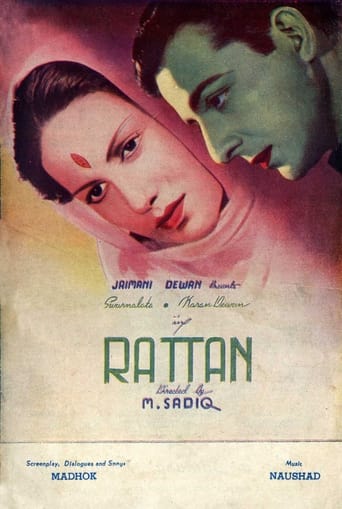
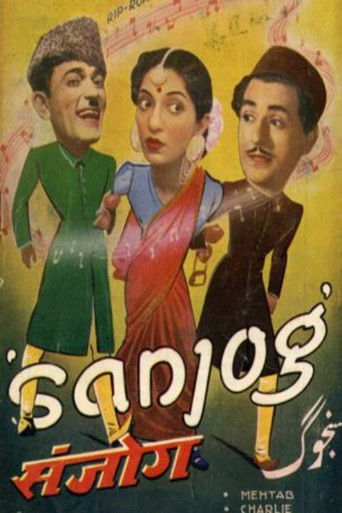
Indian film actress who had a brief but notable career in the early 1940s during the formative years of Indian cinema. Her documented filmography consists of two significant films from the Bombay film industry: 'Sanjog' (1943) and 'Ratan' (1944). These films were produced during a crucial period when Indian cinema was transitioning from its early experimental phase to more sophisticated storytelling. Her appearance in these films suggests she was part of the emerging professional acting community in Bombay during World War II, a time when the Indian film industry was gaining momentum and establishing its unique identity. Unfortunately, detailed records about her life and career are scarce, which was common for many supporting actors of that era who were not among the top stars. Her contributions, while limited in number, represent the collective effort of numerous actors who helped shape early Indian cinema.
The Craft
Best Known For
Must-See Films
Why They Matter
Impact on Culture
Rajkumari Shukla's contribution to Indian cinema, while limited to just two known films, represents the collective effort of countless actors who participated in the early development of the Indian film industry during the 1940s. This period was crucial for establishing the foundations of what would later become one of the world's largest film industries. Actors like Shukla, even in supporting roles, helped create the cinematic language and storytelling techniques that would define Indian cinema for decades to come. Her work in films like 'Ratan' (1944), which was significant in the evolution of Indian popular cinema, places her among the pioneers who contributed to the medium's growth during a transformative era in Indian cultural history.
Lasting Legacy
Rajkumari Shukla's legacy is preserved through her appearances in two notable films from the early 1940s, which serve as historical artifacts documenting the early years of Indian talkies. While she may not have achieved the fame of leading actors of her time, her participation in these films contributes to our understanding of the collaborative nature of early Indian cinema. Her story reflects the countless actors and actresses whose names may not be widely remembered today but whose work was essential in building the foundation of Indian cinema. The preservation of these films ensures that her contribution, however small, remains part of the historical record of Indian film history.
Who They Inspired
Due to the limited documentation of her career and brief active period, specific details about Rajkumari Shukla's influence on other actors or filmmakers are not readily available. However, like all actors working during this foundational period, she would have been part of the evolving acting styles and techniques that influenced subsequent generations of Indian film performers.
Off Screen
Very little information is available about the personal life of Rajkumari Shukla, which was typical for many supporting actors in early Indian cinema who were not extensively documented in film publications or newspapers of the era.
Did You Know?
- Her film active years covered only two years, from 1943 to 1944
- She appeared in films during the World War II period, which significantly impacted Indian cinema production
- Both of her known films were produced in Bombay, the center of Hindi cinema
- Her filmography represents the typical pattern of many early Indian actresses who had brief careers
- The lack of extensive documentation about her life was common for supporting actors of that era
- Her name 'Rajkumari' means 'princess' in Hindi, suggesting it might have been a stage name
- The 1940s was a transitional period for Indian cinema, moving from early talkies to more sophisticated productions
Frequently Asked Questions
Who was Rajkumari Shukla?
What films is Rajkumari Shukla best known for?
When was Rajkumari Shukla active in films?
Rajkumari Shukla was active in the film industry from 1943 to 1944, a brief two-year period during which she appeared in two films. This was during the early years of Indian talkies and World War II.
What was Rajkumari Shukla's contribution to Indian cinema?
While her career was brief, Rajkumari Shukla contributed to the early development of Indian cinema by participating in films that helped establish the industry's foundations during the 1940s, a crucial period for Indian film's evolution.
Why is there limited information about Rajkumari Shukla?
Limited information about Rajkumari Shukla is typical for many supporting actors from early Indian cinema, as documentation and preservation of records were not as comprehensive as they are today, especially for actors who were not among the top stars of their era.