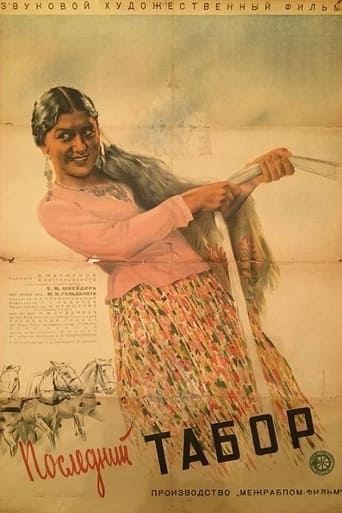
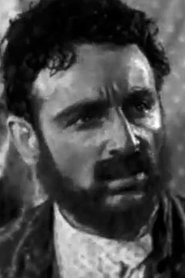
Semyon Khmara
Actor
- Active
- 1936-1936
Films 1
About Semyon Khmara
Semyon Khmara is a little-documented screen actor from the early Soviet cinema era, best known for appearing in the 1936 film Gypsies. Available reference sources suggest that his on-screen career was extremely brief, or at least very sparsely recorded, and he appears in modern film databases primarily because of this single credited role. Like many performers from the 1930s Soviet film industry, he likely worked within a tightly controlled studio system in which supporting players and minor roles were often credited inconsistently, making later biographical reconstruction difficult. There is no widely verified public record of his birth, death, training, or personal life in the major English-language film reference sources commonly used for classic cinema research. His surviving film record indicates that he was active during the mid-1930s, a period when Soviet cinema was producing prestige literary adaptations and socially conscious screen dramas. Because of the lack of corroborated archival detail, his biography is necessarily limited, but he remains part of the historical fabric of prewar Soviet screen acting. His legacy is therefore tied less to a large body of work than to the preservation of his credit in the film history record.
More about Semyon Khmara
In film history
Semyon Khmara's cultural impact is modest but historically meaningful as part of the broad, often under-credited body of performers who appeared in Soviet cinema during the 1930s. His name persists because classic film scholarship and database preservation have kept even minor cast members visible, allowing later researchers to reconstruct production histories more accurately. In that sense, he stands as an example of how early film culture depended on many working actors whose contributions were essential to studio filmmaking but rarely celebrated individually. His presence in Gypsies connects him to the larger tradition of Soviet literary and ethnic subject films of the period, which were significant in shaping screen representations of marginalized communities and regional identities.
Later reputation
His legacy lies primarily in archival survival rather than fame. Semyon Khmara represents the countless early cinema performers whose credits survive even when biographical records do not, reminding historians that the history of film is built from both stars and obscured supporting players. For researchers of Soviet cinema, such names are important because they help establish the cast networks, production practices, and personnel patterns of the era. While he does not appear to have left a documented star persona or a large filmography, his credit in a 1936 feature ensures that he remains part of the historical record of classic cinema.
Influence
There is no verified evidence that Semyon Khmara directly influenced later actors or filmmakers in a documented way. His influence is best understood indirectly: by being part of the ensemble workforce that sustained Soviet studio production, he contributed to the functioning of a national cinema that influenced generations of filmmakers. In archival terms, his presence underscores the importance of preserving cast records, because even small roles help map the collaborative structure of early film history. Any broader influence would have been diffuse and unrecorded rather than attached to a recognizable public career.
Off screen
No reliable public information has been verified regarding Semyon Khmara's personal life, including his family background, marriages, children, or private activities. Major reference sources do not appear to preserve a detailed biographical profile for him, which is not unusual for minor screen players from early Soviet cinema whose careers were brief or whose records were not widely disseminated. As a result, any detailed claims about his domestic life would be speculative and are not included here. His existence in film history is documented mainly through cast listings rather than through interviews, memoirs, or contemporary press profiles.
Credits
- Appeared in the Soviet film Gypsies (1936), the only widely recorded screen credit associated with his name
- Represents the kind of lesser-known supporting performer whose work helped populate early Soviet studio productions
- His credit survives in modern film databases, preserving a trace of his participation in 1930s cinema history
Roles
- Role in Gypsies (1936)
Films
- Gypsies (1936)
Notes
- His filmography is so sparse in available reference sources that Gypsies (1936) is the only widely recorded credit associated with his name.
- He is an example of a classic-era performer known primarily through archival cast listings rather than biographies or interviews.
- The absence of detailed records about him is common for lesser-known Soviet-era screen actors whose careers were brief or poorly documented in later English-language sources.
- His name is preserved in film databases, which helps historians track production credits from the 1930s Soviet film industry.
- Because his public record is minimal, he is often encountered by researchers only when tracing the cast of Gypsies (1936).
Questions
Who was Semyon Khmara?
Semyon Khmara was a Soviet-era actor best known for a recorded appearance in Gypsies (1936). He appears to have had a very limited or very poorly documented screen career, and little biographical information survives in widely accessible reference sources.
What films is Semyon Khmara best known for?
He is best known for Gypsies (1936), which is the principal film credit associated with his name in available records. No other widely verified screen roles are commonly listed in major reference sources.
When was Semyon Khmara born and when did he die?
His birth and death dates are not currently verified in the available reference record. Likewise, his birth place and death details are not reliably documented in the standard classic-cinema sources consulted for minor Soviet performers.
What awards did Semyon Khmara win?
No awards or nominations are documented for Semyon Khmara in the available record. This is consistent with his status as a minimally documented supporting performer rather than a prominent star.
What was Semyon Khmara's acting style?
There is no surviving critical description of his acting style in the accessible record. Because only a single widely listed film credit is known, any assessment of his screen persona would be speculative.
What is Semyon Khmara's legacy in film history?
His legacy is archival and historical: he remains part of the documented cast record of 1930s Soviet cinema. Even though his career is obscure, his name helps preserve the completeness of classic film history and the collaborative nature of studio filmmaking.