
Films
1 film
About Maria Samoilova
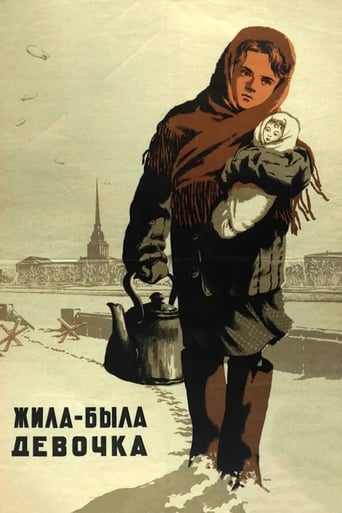
Soviet actress who had a brief but memorable career in the 1940s. She is primarily known for her role in the 1944 Soviet film 'Once There Was a Girl' (Жила-была девочка), directed by Viktor Eisymont. Her career appears to have been concentrated entirely within the year 1944, with this film being her most notable and possibly only credited work. The film itself was a significant wartime production that dealt with themes of childhood resilience during the Great Patriotic War (World War II). Samoilova's performance, while brief in her overall career, contributed to the film's emotional impact and its place in Soviet cinema history. Despite her limited filmography, she represents the many talented actors of the Soviet era who made important contributions to wartime cinema. Her work during this period reflects the broader cultural and artistic efforts of Soviet filmmakers to document and process the experiences of war through the lens of human stories.
The Craft
On Screen
While detailed information about her specific acting style is limited, her work in 'Once There Was a Girl' suggests she was part of the Soviet realist tradition, focusing on authentic emotional expression and naturalistic performance typical of wartime Soviet cinema. The film required actors to convey deep emotional resonance within the context of wartime suffering and resilience.
Milestones
- Starred in 'Once There Was a Girl' (1944) during the height of WWII
- Contributed to Soviet wartime cinema
- Worked with director Viktor Eisymont
Best Known For
Iconic Roles
Must-See Films
Working Relationships
Worked Often With
Studios
Why They Matter
Impact on Culture
Maria Samoilova's contribution to cinema, though brief, is part of the larger tapestry of Soviet wartime filmmaking that sought to document and process the human experience during one of history's most devastating conflicts. Her work in 'Once There Was a Girl' represents the collective effort of Soviet artists to create meaningful cinema that could both entertain and provide emotional catharsis for audiences experiencing the hardships of war. The film itself is an important cultural artifact that reflects Soviet values and perspectives during the Great Patriotic War.
Lasting Legacy
While Maria Samoilova may not have achieved widespread fame or recognition, her legacy endures through her contribution to Soviet cinema history. She represents the countless actors who, despite limited careers or brief moments in the spotlight, played vital roles in creating the films that defined their era. Her work in 'Once There Was a Girl' ensures her place in the historical record of Soviet wartime cinema, a period that produced some of the most emotionally powerful and politically significant films in world cinema history.
Who They Inspired
Given the limited scope of her documented career, specific information about Maria Samoilova's influence on other actors or filmmakers is not readily available. However, like all actors who contributed to significant films of their era, she was part of the broader artistic ecosystem that shaped Soviet cinema and influenced subsequent generations of filmmakers both within and beyond the Soviet Union.
Off Screen
Very limited information is available about Maria Samoilova's personal life, which is not uncommon for Soviet-era actors who had brief careers or worked primarily in supporting roles. Like many actors of her generation, her life was likely shaped by the dramatic events of World War II and the broader cultural context of the Soviet Union during the 1940s.
Did You Know?
- Her entire documented film active years covered only one year: 1944
- She appeared in 'Once There Was a Girl' during the height of World War II
- The film she starred in was directed by Viktor Eisymont, a notable Soviet director
- Her film was produced during
- The film's Russian title was 'Жила-была девочка'
- She represents the many Soviet actors whose careers were shaped by wartime circumstances
- Her work contributes to the understanding of Soviet cinema during the Great Patriotic War
Frequently Asked Questions
Who was Maria Samoilova?
Soviet actress active in 1944, best known for her role in the wartime film 'Once There Was a Girl' (Жила-была девочка). Her career appears to have been brief, centered around this significant Soviet wartime production.
What films is Maria Samoilova best known for?
Titles linked here include Once There Was a Girl (1944).
When was Maria Samoilova born and when did she die?
Specific birth and death dates for Maria Samoilova are not readily available in historical records, which is not uncommon for Soviet-era actors with brief careers.
What awards did Maria Samoilova win?
There are no documented awards or nominations for Maria Samoilova, which reflects the limited scope of her known film career.
What was Maria Samoilova's acting style?
Based on her work in Soviet wartime cinema, she likely employed the realist acting style common in Soviet films of the 1940s, focusing on authentic emotional expression and naturalistic performance appropriate for wartime themes.