Films
2 films

About Evgeniya Uvarova
Russian actress who worked during the formative years of Russian cinema in the early 20th century. She emerged as a performer during the silent era when Russian film was establishing itself as a significant cultural force. Her career, though brief, coincided with what is now considered the Golden Age of Russian silent cinema (1908-1918). Uvarova worked with prominent Russian film studios of the period, most notably appearing in adaptations of classic Russian literature. Her performances in historical dramas and literary adaptations demonstrated the theatrical acting style typical of early silent cinema, where exaggerated gestures and facial expressions were essential for conveying emotion. While her filmography was limited, her work contributed to the foundation of Russian film acting traditions. Like many early Russian film actors, her career was likely impacted by the political upheavals of 1917 and the subsequent transformation of the Russian film industry.
The Craft
On Screen
Uvarova's acting style reflected the theatrical traditions of early silent cinema, characterized by exaggerated gestures and dramatic facial expressions necessary to convey emotion without dialogue. Her performances in literary adaptations suggested a classical training background, typical of Russian actors transitioning from stage to screen during this period. Like her contemporaries, she employed broad physical movements and intense gazes to communicate character motivations and emotional states to early cinema audiences.
Milestones
- Appeared in 'The Death of Ivan the Terrible' (1909), one of the earliest Russian historical films
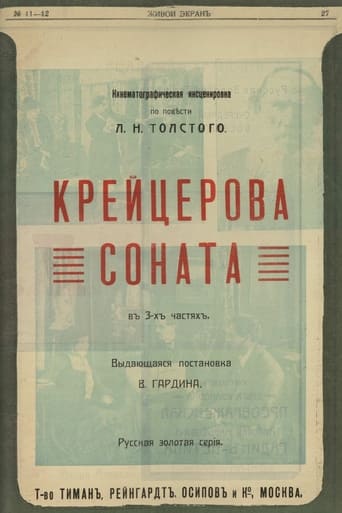
- Starred in 'The Kreutzer Sonata' (1914), an adaptation of Tolstoy's controversial novella
- Worked during the era of Russian silent cinema
- Participated in the literary adaptation trend that defined early Russian film
Best Known For
Iconic Roles
Must-See Films
Working Relationships
Worked Often With
Studios
Why They Matter
Impact on Culture
Evgeniya Uvarova represents the generation of Russian film actors who helped establish the foundation of Russian cinema during its silent era. Her participation in early literary adaptations contributed to the tradition of adapting classic Russian literature for the screen, a practice that would become a hallmark of Russian filmmaking. Though her career was brief and her name largely forgotten, her work was part of the cultural movement that established cinema as a serious art form in Russia, alongside theater and literature. These early actors laid the groundwork for the Golden Age of Soviet cinema that would emerge in the 1920s and beyond.
Lasting Legacy
While Evgeniya Uvarova may not be widely remembered today, her legacy exists as part of the foundation of Russian cinema history. She represents the countless actors who contributed to the development of film as an art form during its earliest days. Her appearances in historically significant films like 'The Death of Ivan the Terrible' ensure her place in the annals of cinema history, however small. These early performers paved the way for future generations of Russian actors and helped establish acting traditions that would influence Russian cinema for decades to come.
Who They Inspired
As an early Russian film actor, Uvarova's influence would have been primarily on her contemporaries and immediate successors in the Russian film industry. The acting techniques and approaches developed during this period, in which she participated, formed the basis for the more sophisticated methods that would emerge in the 1920s. Her work in literary adaptations helped establish the precedent for bringing classic Russian literature to the screen, a tradition that continues in Russian cinema to this day.
Off Screen
Very limited information is available about Evgeniya Uvarova's personal life, which is typical for actors from this very early period of Russian cinema. Many biographical details from this era were lost during the political upheavals of the early 20th century, including the 1917 Revolution and subsequent transformations of Russian society.
Did You Know?
- Appeared in films during what is now considered the Golden Age of Russian silent cinema (1908-1918)
- Worked in an era when Russian cinema was among the most innovative in the world
- Participated in the early trend of adapting classic Russian literature for film
- Her active years covered the period just before the 1917 Russian Revolution
- Like many early Russian film actors, biographical information about her is scarce
- The films she appeared in were produced when Russia had one of the world's most productive film industries
- Early Russian actors like Uvarova often came from theatrical backgrounds
- Her film career was relatively brief, typical of many actors from this transitional period
Frequently Asked Questions
Who was Evgeniya Uvarova?
Russian actress who worked in the silent film era during the early 20th century, appearing in notable Russian films between 1909 and 1914. She was part of the generation of Russian cinema actors who helped establish the foundation of Russian film industry.
What films is Evgeniya Uvarova best known for?
Titles linked here include The Death of Ivan the Terrible (1909), The Kreutzer Sonata (1914).
When was Evgeniya Uvarova active in film?
Evgeniya Uvarova was active in the film industry from 1909 to 1914, during what is now considered the Golden Age of Russian silent cinema, just before the major political upheavals that would transform Russian society and its film industry.
What was Evgeniya Uvarova's acting style?
Uvarova's acting style reflected the theatrical traditions of early silent cinema, characterized by the exaggerated gestures and dramatic expressions necessary to convey emotion without dialogue, typical of actors transitioning from stage to screen during this period.
Why is information about Evgeniya Uvarova limited?
Information about Evgeniya Uvarova is scarce because she was active during the very early days of Russian cinema, and many biographical records from this period were lost during the political upheavals of the early 20th century, including the 1917 Revolution and subsequent transformations of Russian society.